



INGREDIENT GLOSSARY
Civet
Warm, animalic and musky with a faintly leathery edge; in high dilution it turns soft, powdery and skin-like.
SYNTHETICANIMALIC · MUSKY · BASE NOTE
AT A GLANCE
- Animal: African civet Civettictis civetta, a viverrid – a scent material from its glandular secretion
- Origin: sub-Saharan Africa, natural material mainly from Ethiopia
- Production: formerly scraped from live animals, today generally synthetic
- Scent: warm, animalic, musky – mainly a base note
PROFILE
- Origin
- Glandular secretion of the African civet (Civettictis civetta), a viverrid native to sub-Saharan Africa · natural material historically sourced mainly from Ethiopia · in perfume today generally synthetic
- Extraction
- Formerly scraped from the perineal gland of live, caged animals – today the note is generally recreated with synthetic civetone
- Main molecules
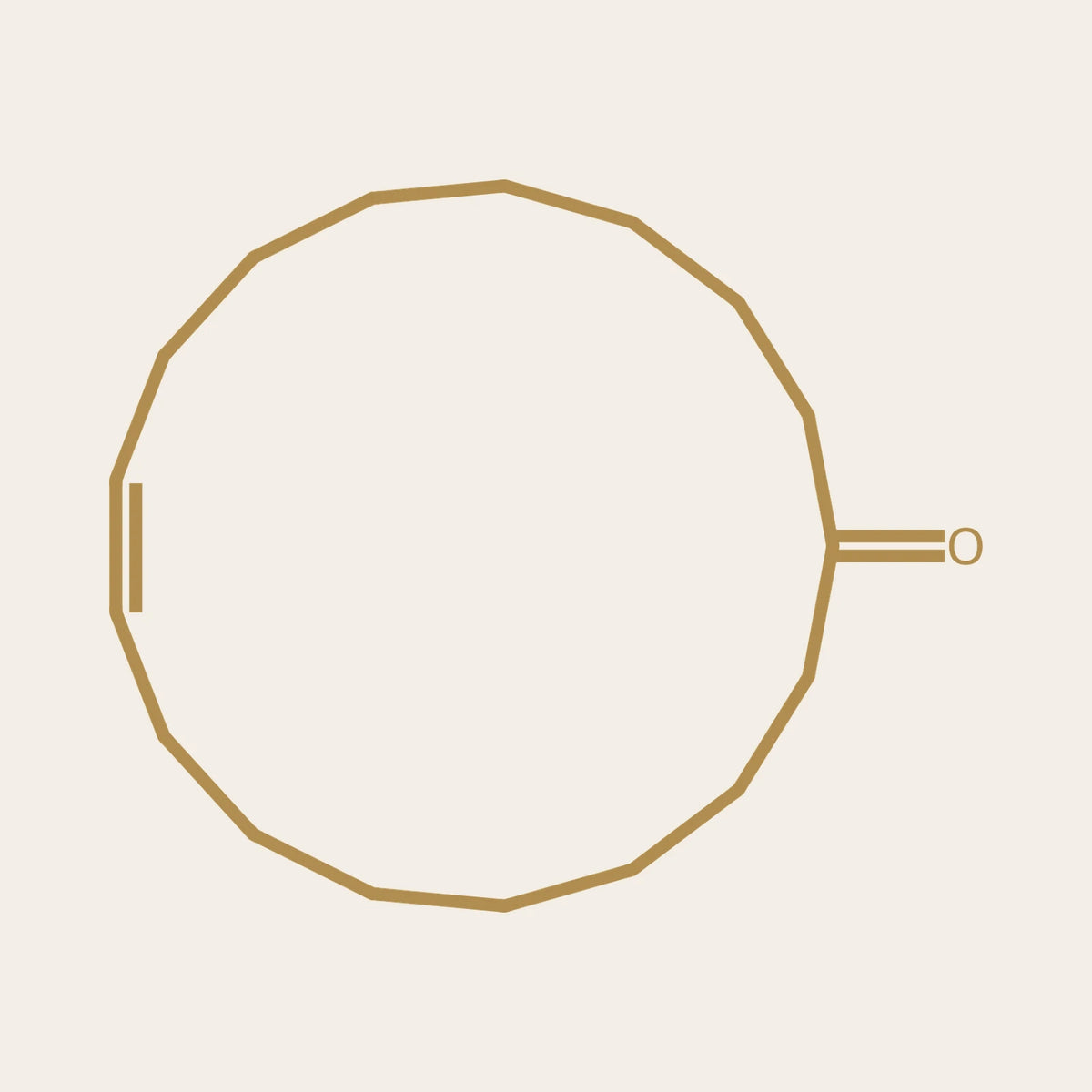
- Civetone (C₁₇H₃₀O) · In the natural material also related ring ketones such as dihydrocivetone
- Harvest
- Civet has no harvest season: the secretion was taken from the animals all year round, at intervals of roughly one to two weeks.
- Often paired with
- Sandalwood, Vanilla, Bergamot, Patchouli, Leather, Vetiver, Cardamom
Numbers that surprise
17 instead of at most 8
carbon atoms make up the ring of civetone – yet before Ružička's discovery, rings of more than eight atoms were thought too unstable to exist.
around 36 times
a year, a civet kept in traditional Ethiopian husbandry had its secretion taken – at intervals of roughly ten days.
Rounded values; calculation based on published data.
Harvest and season
Civet has no harvest season: the secretion was taken from the animals all year round, at intervals of roughly one to two weeks. As a synthetic note, civet is available at any time.
Natural civet was not distilled but taken from living animals: in Ethiopia, farmers kept wild-caught civets in narrow wooden cages and scraped the secretion from the gland pouch roughly every 9 to 15 days. Studies from western Ethiopia describe trapping, housing and extraction as stressful and injurious for the animals. For perfumery, the raw secretion was processed with solvents into a tincture or absolute. Because of this animal-welfare criticism, and because synthetic substitutes are available, the civet note is today generally built from synthetic civetone and other aroma molecules.
Knowledge to share
Myth or truth?
Statement 1
The civet in today's perfumes comes from civets.
Myth. In perfume, civet is today generally recreated synthetically, above all with civetone. Natural civet was scraped from live, caged animals – animal-welfare criticism and synthetic substitutes have pushed it far back.
Statement 2
The civet is a cat.
Myth. Despite the German name 'Zibetkatze', the civet belongs to the viverrids (Viverridae), a carnivore family of its own.
Statement 3
Kopi luwak coffee and perfume civet come from the same animal.
Myth. Kopi luwak is made from coffee beans collected from the droppings of the Asian palm civet (Paradoxurus hermaphroditus). Perfume civet, by contrast, is the glandular secretion mainly of the African civet (Civettictis civetta) – a different species and a different substance.
Your result
FRAGRANCES WITH CIVETINGREDIENT GLOSSARY
Fragrances with Civet


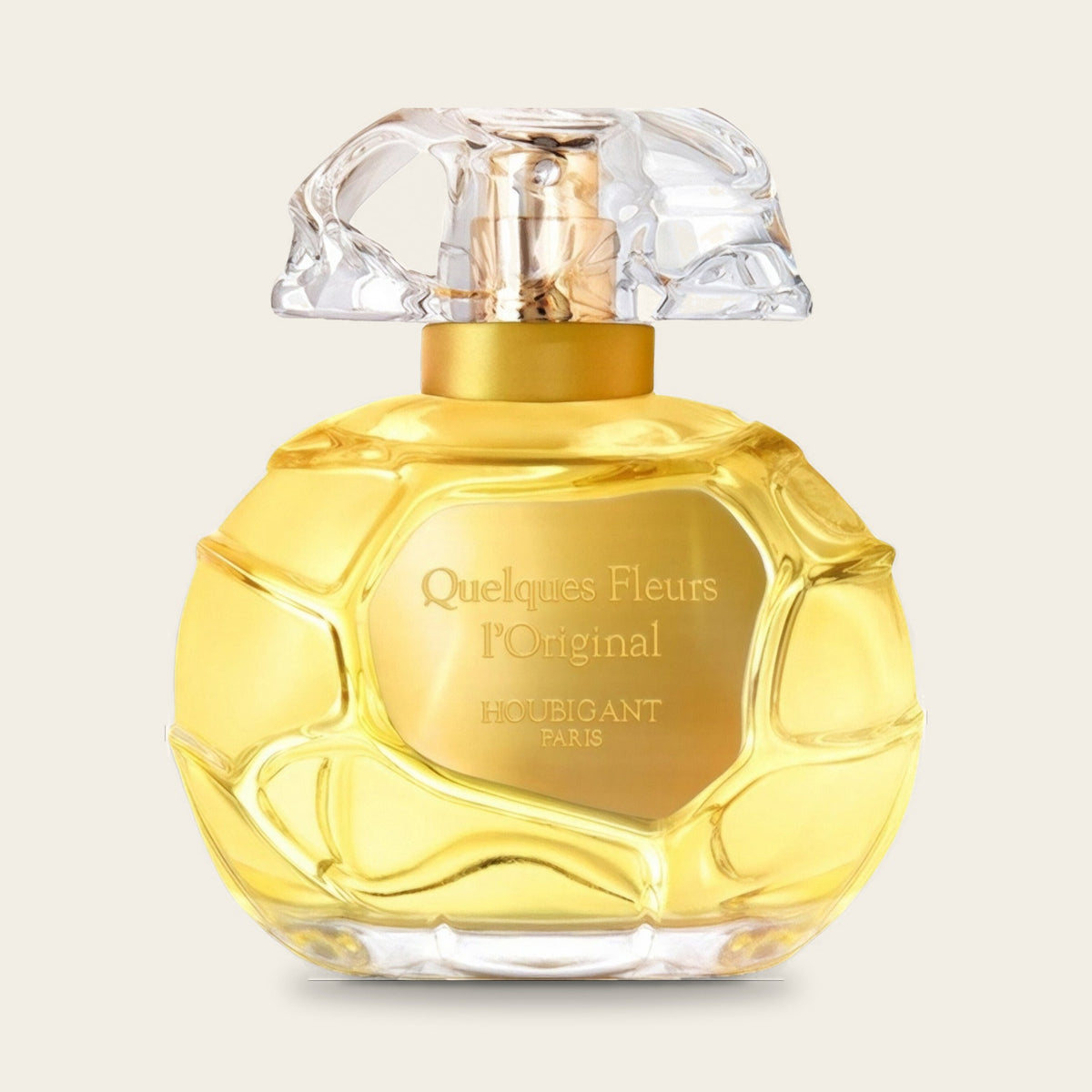




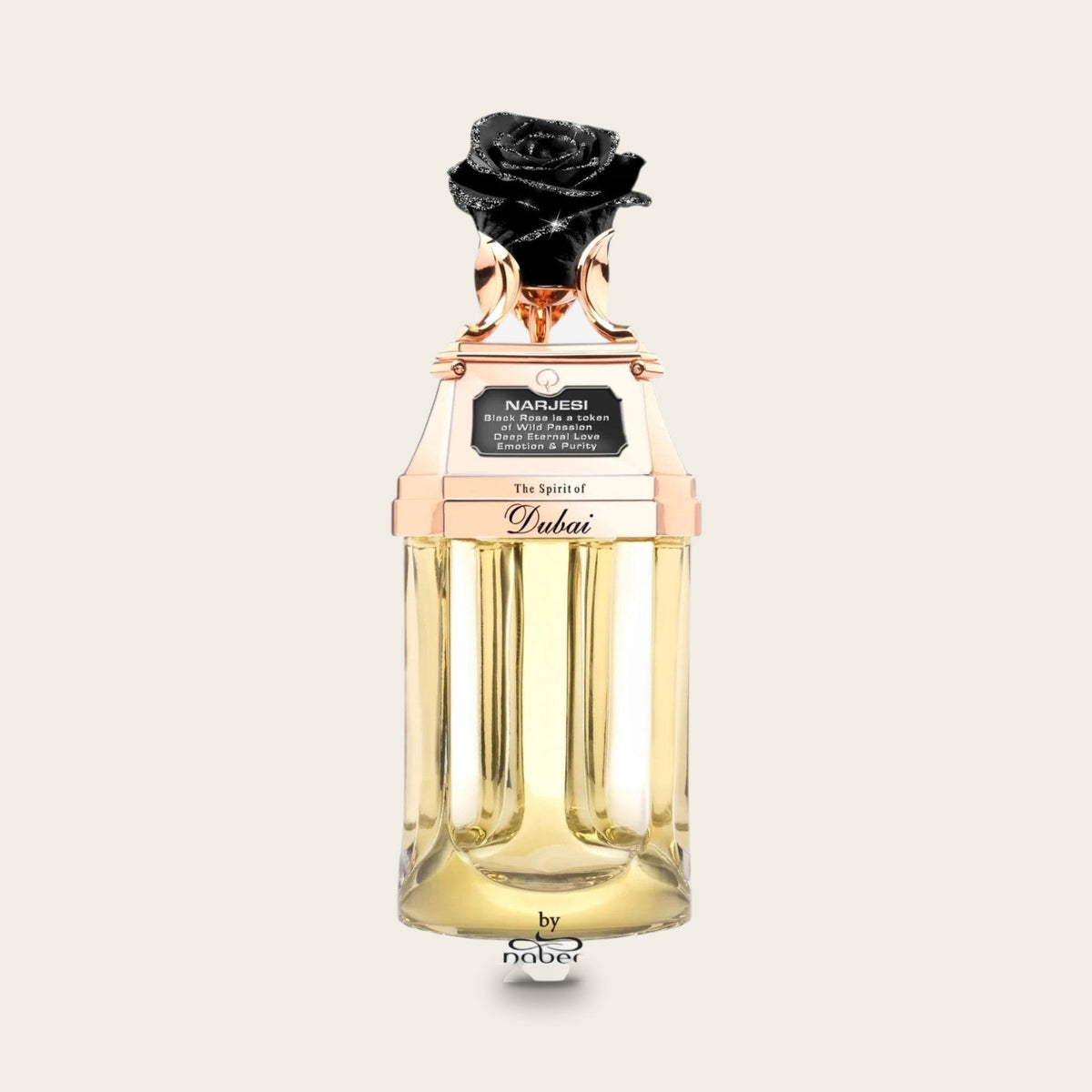


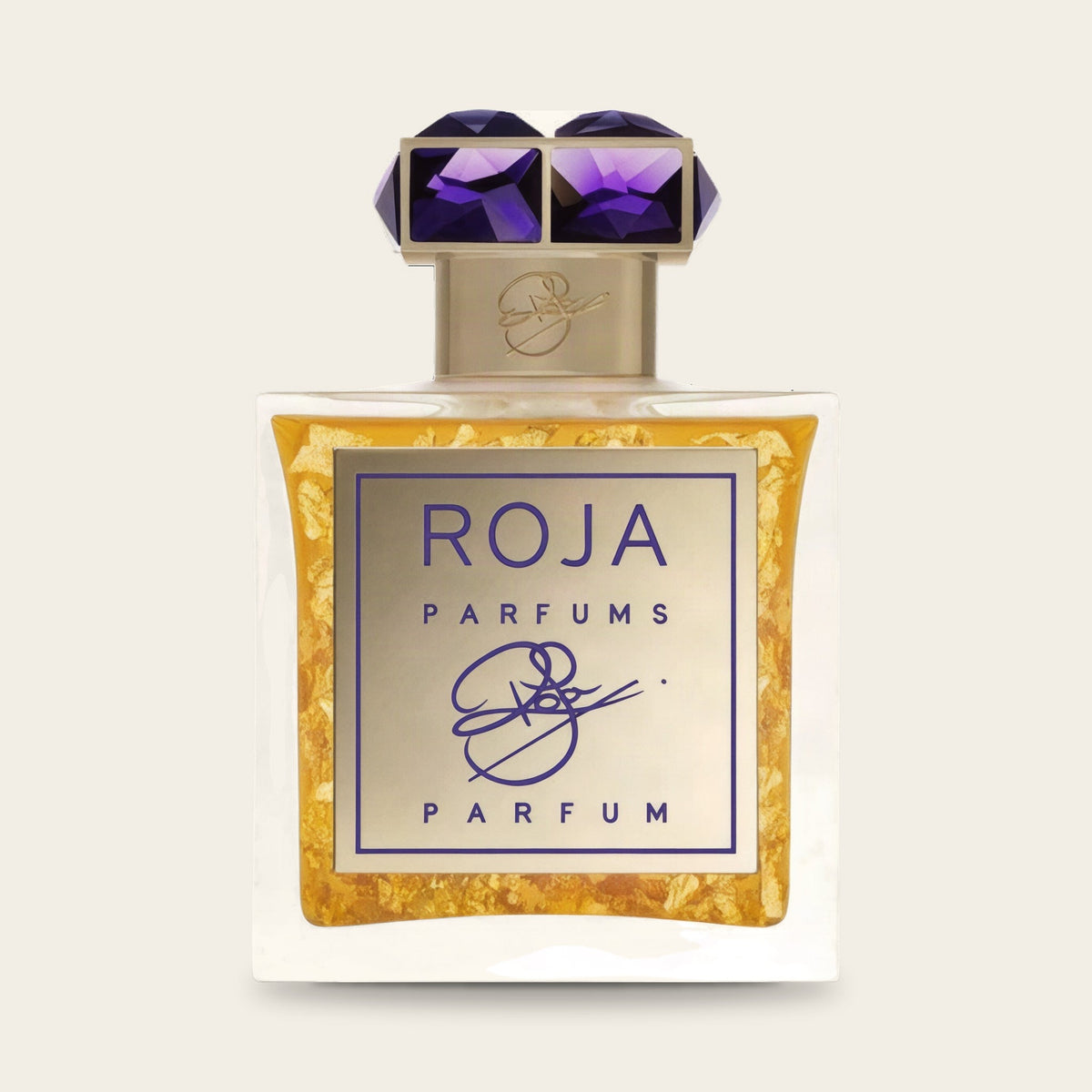

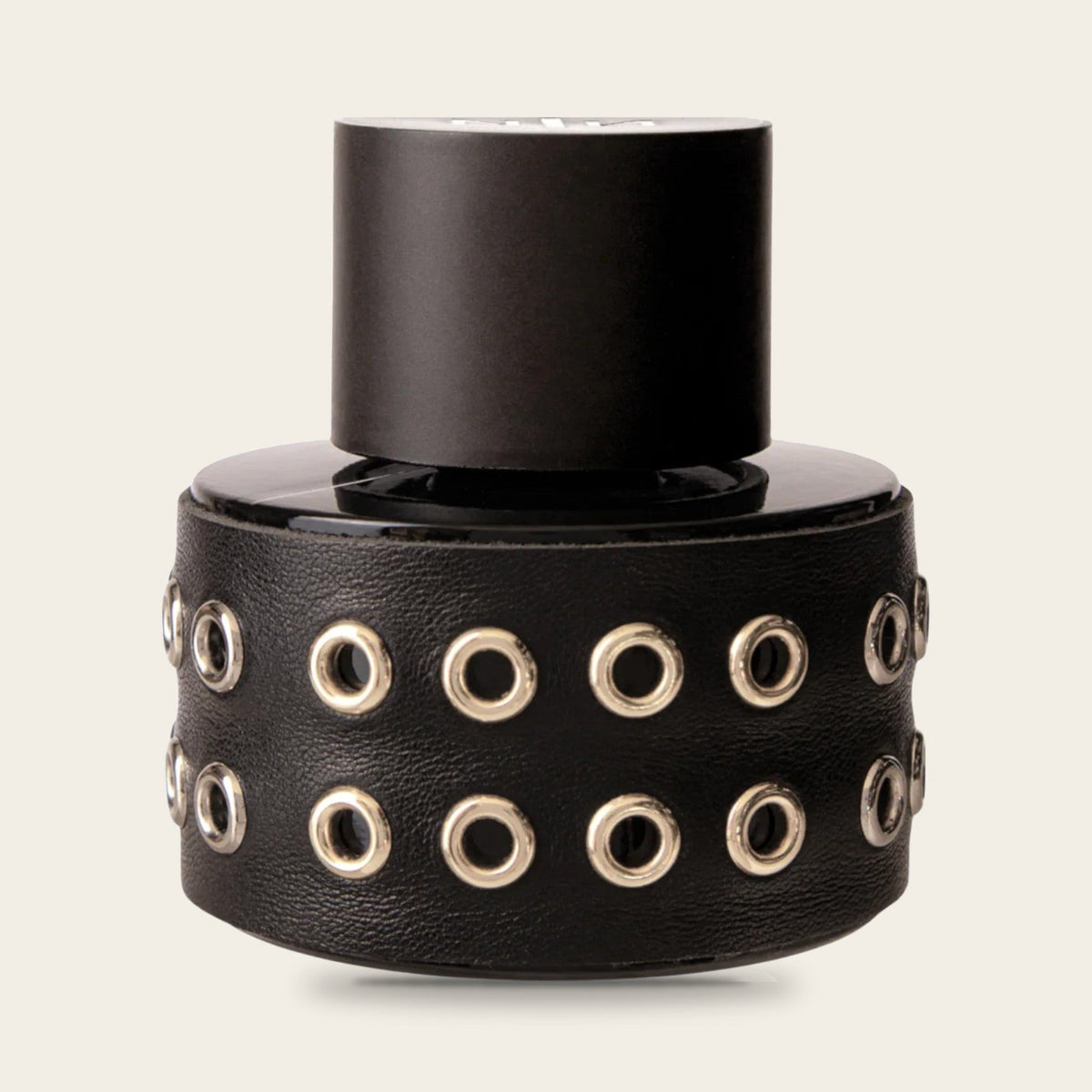

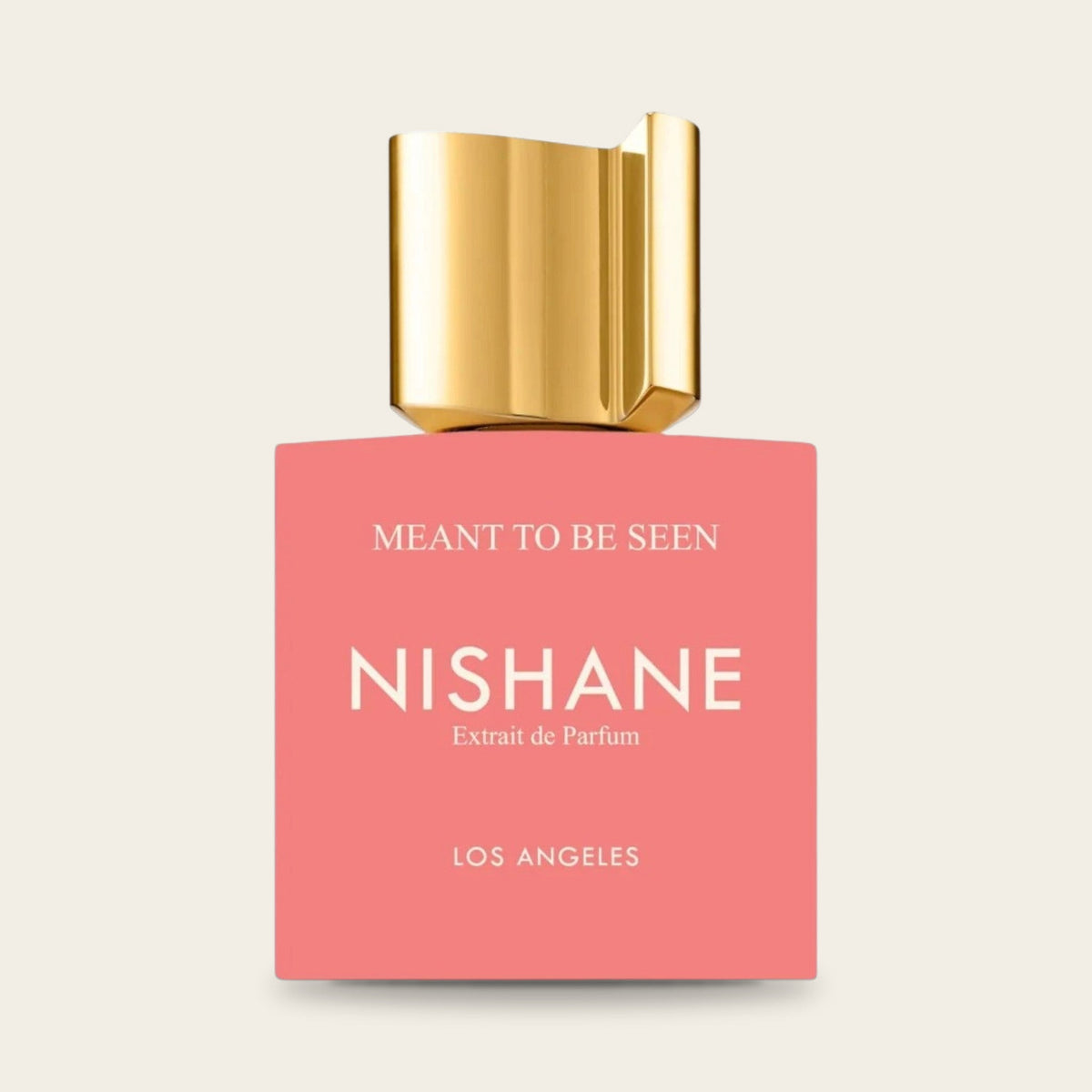


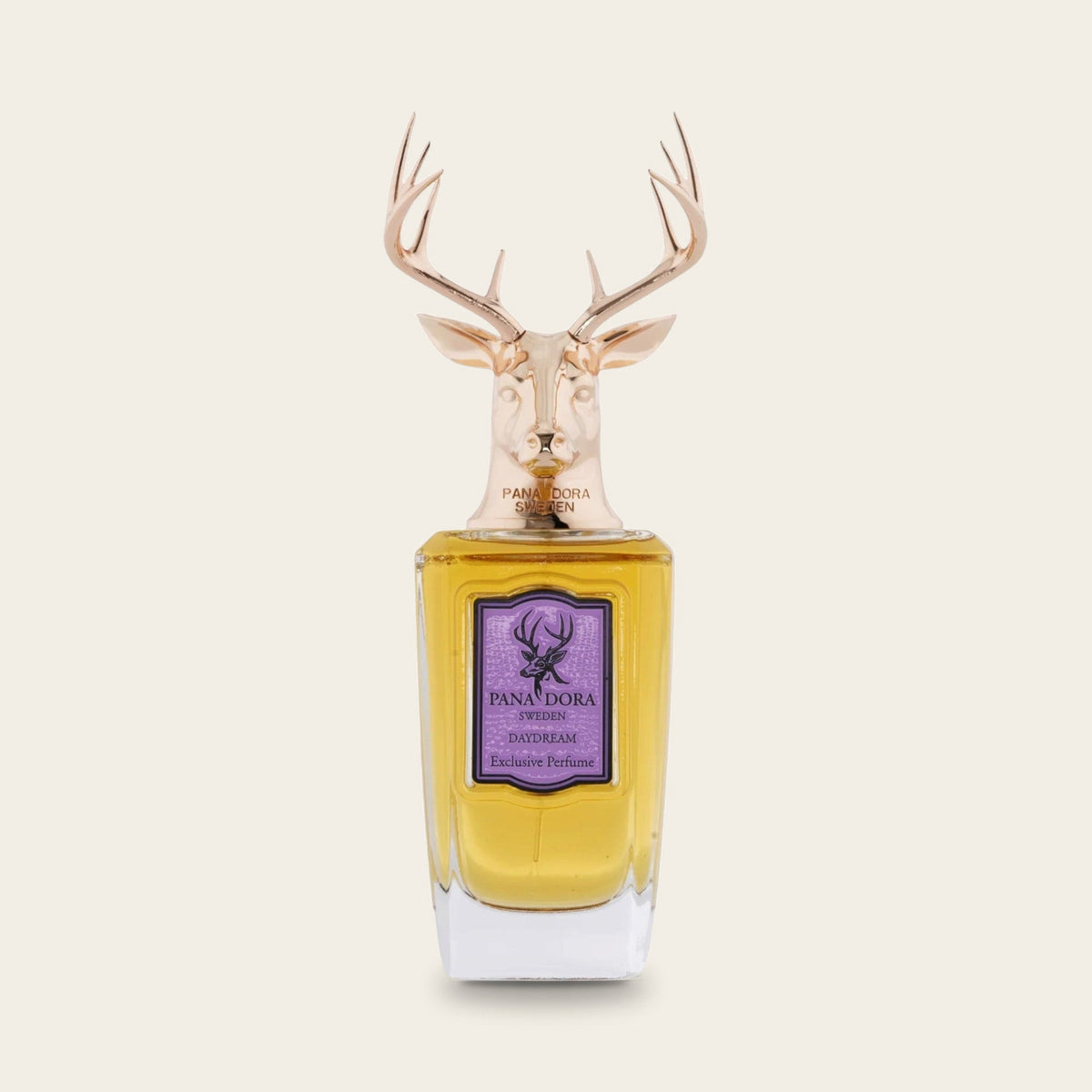

Questions and answers
Warm, animalic and musky with a faintly leathery edge; in high dilution it turns soft, powdery and skin-like.
Civet comes from the perineal glands of viverrids (Viverridae), and its main source was the African civet, Civettictis civetta. It lives in the forests and savannahs of sub-Saharan Africa. Both sexes have the gland between the anus and the genitals. The leading supplier of natural civet was Ethiopia.
Natural civet was not distilled but taken from living animals: in Ethiopia, farmers kept wild-caught civets in narrow wooden cages and scraped the secretion from the gland pouch roughly every 9 to 15 days. Studies from western Ethiopia describe trapping, housing and extraction as stressful and injurious for the animals. For perfumery, the raw secretion was processed with solvents into a tincture or absolute. Because of this animal-welfare criticism, and because synthetic substitutes are available, the civet note is today generally built from synthetic civetone and other aroma molecules.
Civet is dosed in tiny amounts and works in the base: it lends a fragrance warm, animalic depth and a close-to-the-skin sensuality, and holds other notes in place for longer. Neat, the material smells repellent; only in high dilution does its soft, musky character emerge, rounding off compositions with sandalwood, vanilla, patchouli and leather in particular. In our range, civet appears in 17 fragrances – in the heart note of 5 and the base note of 12.
Animalic · Musky · Base note, also heart
Civet has no harvest season: the secretion was taken from the animals all year round, at intervals of roughly one to two weeks. As a synthetic note, civet is available at any time.
In our fragrances, it often appears alongside Sandalwood, Vanilla, Bergamot, Patchouli, Leather, Vetiver, Cardamom.
The word civet reached European languages via the Italian 'zibetto' from the Arabic 'zabād'. For centuries the civet's secretion was a prized raw material that made perfumes last longer. Shakespeare alluded to it: in 'As You Like It', the fool Touchstone tells the shepherd Corin that the civet on courtiers' perfumed hands is 'of a baser birth than tar, the very uncleanly flux of a cat'. In the 1920s the chemist Leopold Ružička worked out the structures of civetone and muscone, and in 1939 he shared the Nobel Prize in Chemistry with Adolf Butenandt. With synthetic substitutes and growing criticism of caged keeping, the use of natural civet declined sharply during the 20th century.
- The civet is not a cat: it belongs to the viverrids (Viverridae), a carnivore family of its own alongside the true cats.
- Chemist Leopold Ružička showed that civetone contains a single carbon ring of 17 atoms – at the time, rings of more than eight atoms were thought too unstable to exist.
- Daniel Defoe, later the author of 'Robinson Crusoe', bought civets in the early 1690s hoping to make money from perfume civet – the venture ended in debt and litigation.
The key odorant is civetone, chemically (9Z)-cycloheptadec-9-en-1-one (C₁₇H₃₀O, PubChem CID 5315941, molar mass about 250 g/mol). It is a ketone with a 17-membered carbon ring and one double bond – a close relative of muscone from musk, whose ring has 15 carbon atoms. In the natural secretion civetone makes up only a few per cent; it also contains related ring ketones such as dihydrocivetone. Today the note is generally recreated with synthetic civetone and other aroma molecules.
FRAGRANCE KNOWLEDGE
In the 4D Journal
-
 FRAGRANCE KNOWLEDGE
Rose in perfume: The queen of fragrance materials
READ ARTICLE
-
 FRAGRANCE KNOWLEDGE
Vanilla in perfume: From orchid to favourite scent
READ ARTICLE
-
 FRAGRANCE KNOWLEDGE
Leather in perfume: How does something smell that was never in the bottle?
READ ARTICLE
-
 FRAGRANCE KNOWLEDGE
Scented candles & home fragrance: How to use them right
READ ARTICLE