
Giving perfume as a gift: how to find the right scent
Giving someone a perfume is a bit like giving them glasses in your own prescription. What smells wonderful to you may smell of nothing at all to them – or of a school gym. That is not just a matter of taste, it is biology. And yet scent is one of the loveliest gifts there is, because it ties itself to memories like almost nothing else. Here is how to get it right when giving perfume as a gift and find the right fragrance for another person: with a little detective work, the map of fragrance families and a plan B that simply cannot go wrong.
- Never choose by your own taste. People demonstrably smell the same molecules differently, and part of that is genetic.
- Investigate first, then buy: Which bottles are in the bathroom? Which fragrance family dominates? Let that guide you.
- Stay in the family: Anyone who owns two or three fragrances from one family will usually love a scent from that family or the one next to it.
- Unsure? Then give variety: a discovery set or a gift card, so the recipient can test on their own skin.
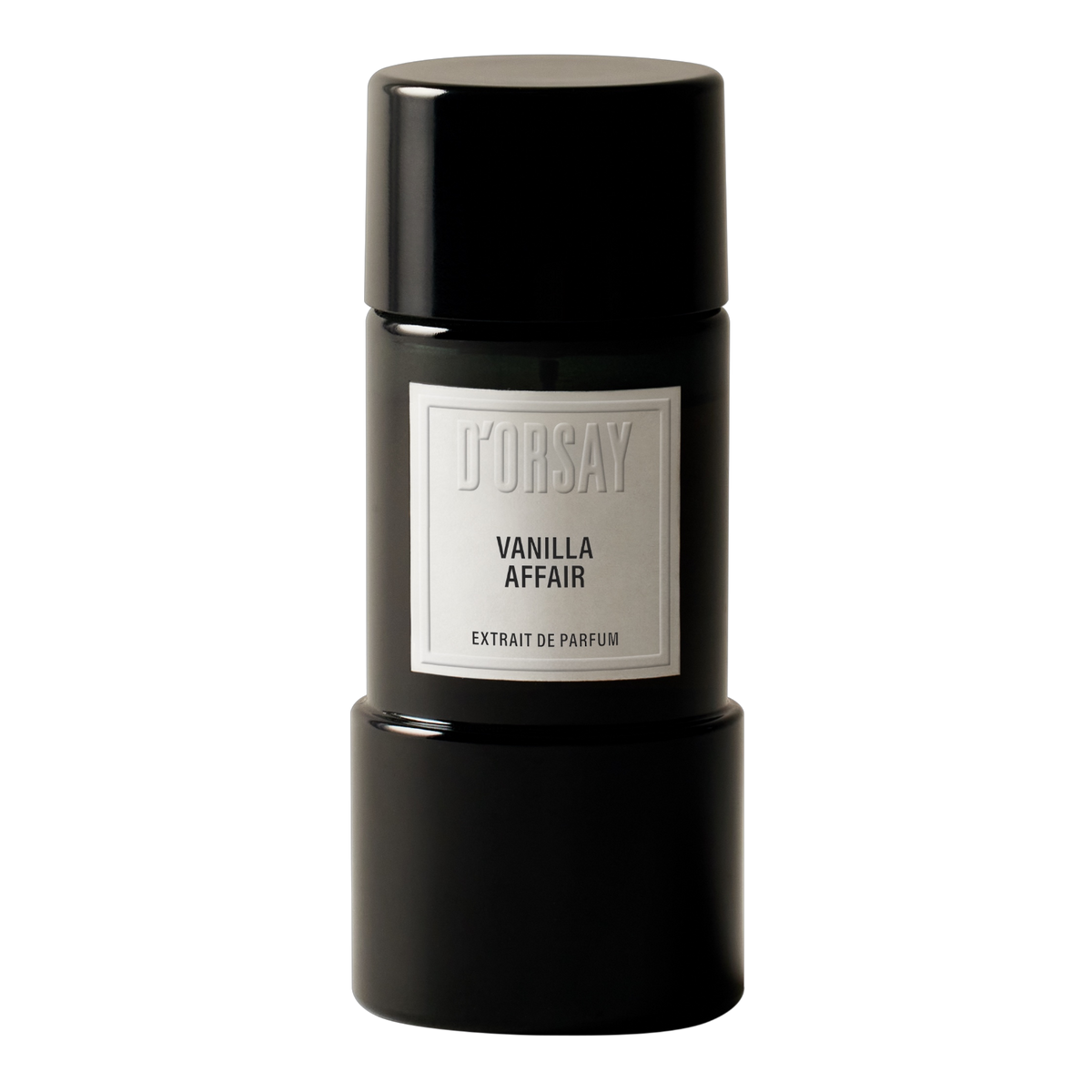
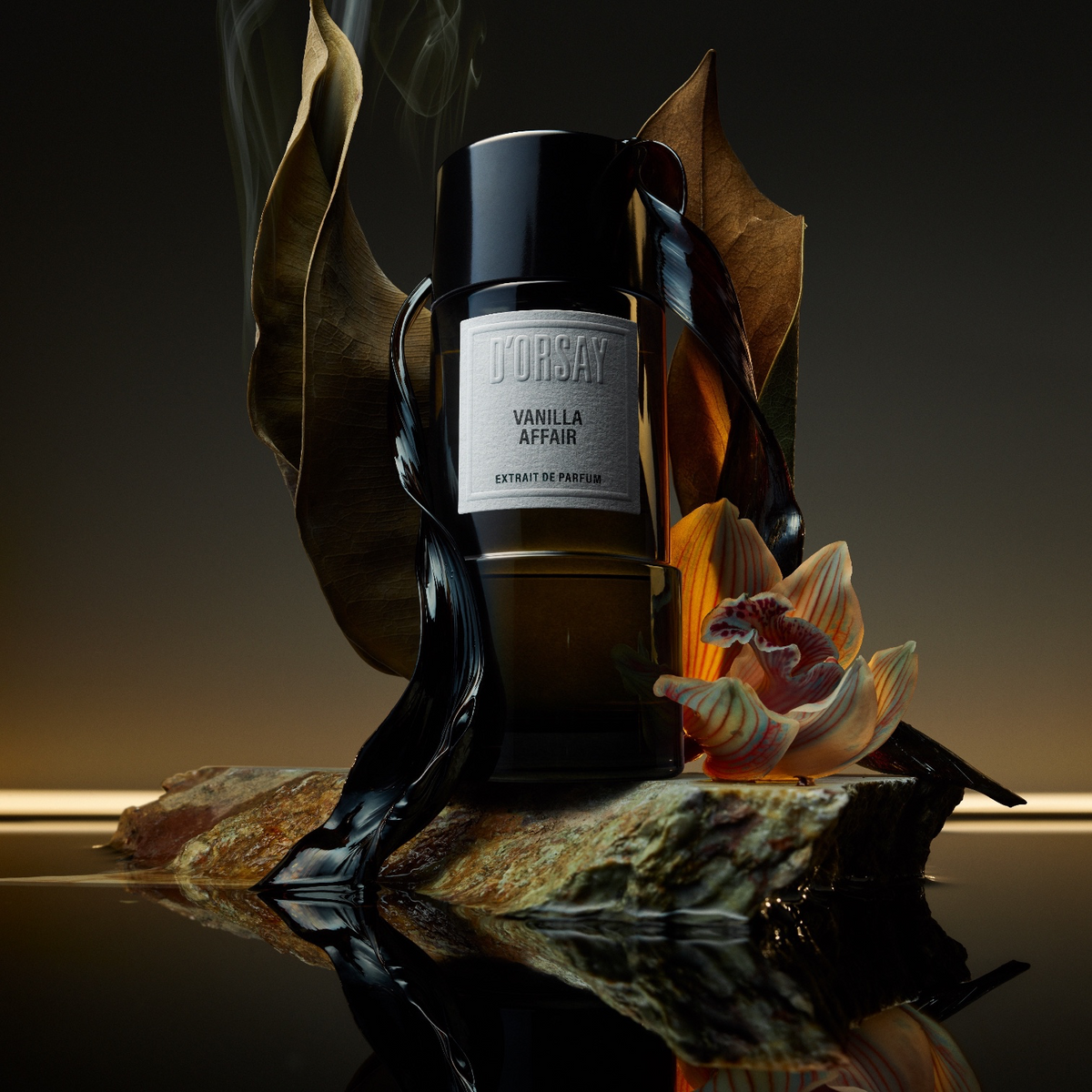
- Vanilla is the safest joker: In a study with people from nine very different cultures, vanillin was the best-liked smell.
Why is perfume such a risky gift?
Because every nose is one of a kind. Humans have around 400 working genes for olfactory receptors, and many of them come in slightly different versions. A single variant can change what you smell. The most famous example comes from a Rockefeller University study published in Nature in 2007: depending on the version of the receptor OR7D4, the substance androstenone smells of sweat or urine to some people, sweet and almost vanilla-like to others – and of nothing at all to a third group.
The same goes for musk, the heart of many modern fragrances. In 2022, researchers at the Monell Chemical Senses Center found a receptor whose variants are linked to a weaker perception of the synthetic musk Galaxolide. In plain terms: the soft "clean skin" scent you adore may reach the recipient as no more than a whisper.
And then there is personality. A 2022 study in Current Biology asked 235 people from nine non-Western communities, from hunter-gatherers to fishers, to rate smells. The result: about 41 percent of the differences came from the molecule itself, but around 54 percent from personal preference. Culture played only a small part. Your taste, in other words, is above all one thing: yours.
The biologists Manfred Milinski and Claus Wedekind asked people to rate perfume ingredients, once "for myself" and once "for my partner". The choice for themselves was measurably linked to their own immune genes, the choice for the partner was not. We are surprisingly good at finding scents for ourselves and surprisingly bad at doing it for others.
How do I find out which scent someone likes?
With detective work. The good news: the clues are usually in plain sight.
- A look in the bathroom. Which bottles are there, and which one is almost empty? A quick photo on your phone is enough, and in our boutique we can tell you which fragrance family the collection belongs to.
- Ask your allies. Partners, friends and siblings often know exactly which perfume is "typical" and which is never worn.
- Listen for compliments. On which day did you think: that smells good? Ask about it – in that moment nobody suspects a thing.
- Read their everyday life. Someone who complains about strong scents at the office will be happier with a quiet skin scent than with a fragrance cloud.
- Check the concentration. Someone who likes to spray sparingly will be happy with an extrait. What the terms mean is explained in our article Eau de Toilette, Eau de Parfum or Extrait.
Which fragrance family fits? The map of scents
Perfumeries have worked with fragrance wheels for decades. The best known comes from the fragrance expert Michael Edwards, who designed it in 1992 so that sales staff and customers would share a common language. His four main families are Floral, Amber (called "Oriental" until 2021), Woody and Fresh. Neighbouring families share character traits. That gives a simple rule: if someone owns several fragrances from one family, you will almost always be right with the same family or its neighbour.
| Mostly in the bathroom … | Fragrance family | Better give … |
|---|---|---|
| Rose, jasmine, peony, powdery notes | Floral | a flower with some warmth, for example rose with wood or orange blossom with amber |
| Vanilla, resins, spices, tonka | Amber | gourmand and amber scents, see Gourmand fragrances and Amber and spice |
| Cedar, sandalwood, vetiver, leather | Woody | a dry or creamy woody scent, ideally with a trace of incense |
| Citrus, herbs, sea air, tea | Fresh | citrus, green or aromatic notes, see Fresh fragrances and Fruity fragrances |
How the individual layers of a fragrance work together is explained in our article The fragrance pyramid: top, heart and base notes. It makes reading fragrance descriptions much easier.
And if I know nothing at all? Three safe strategies
The discovery set
Several small bottles from one brand. The recipient tests at leisure on their own skin and discovers their favourite themselves. Elegant, because you give curiosity instead of a decision.
The skin scent
Quiet musky or woody fragrances that smell more like well-cared-for skin than like perfume. They rarely bother anyone, not even at the office, and suit almost every personality.
The gift card
Sounds unromantic, but it is not if you add a sample of your favourite scent for them. Our gift cards are valid online and in the boutique.
Our favourites for strategy 1, all with several fragrances to try:
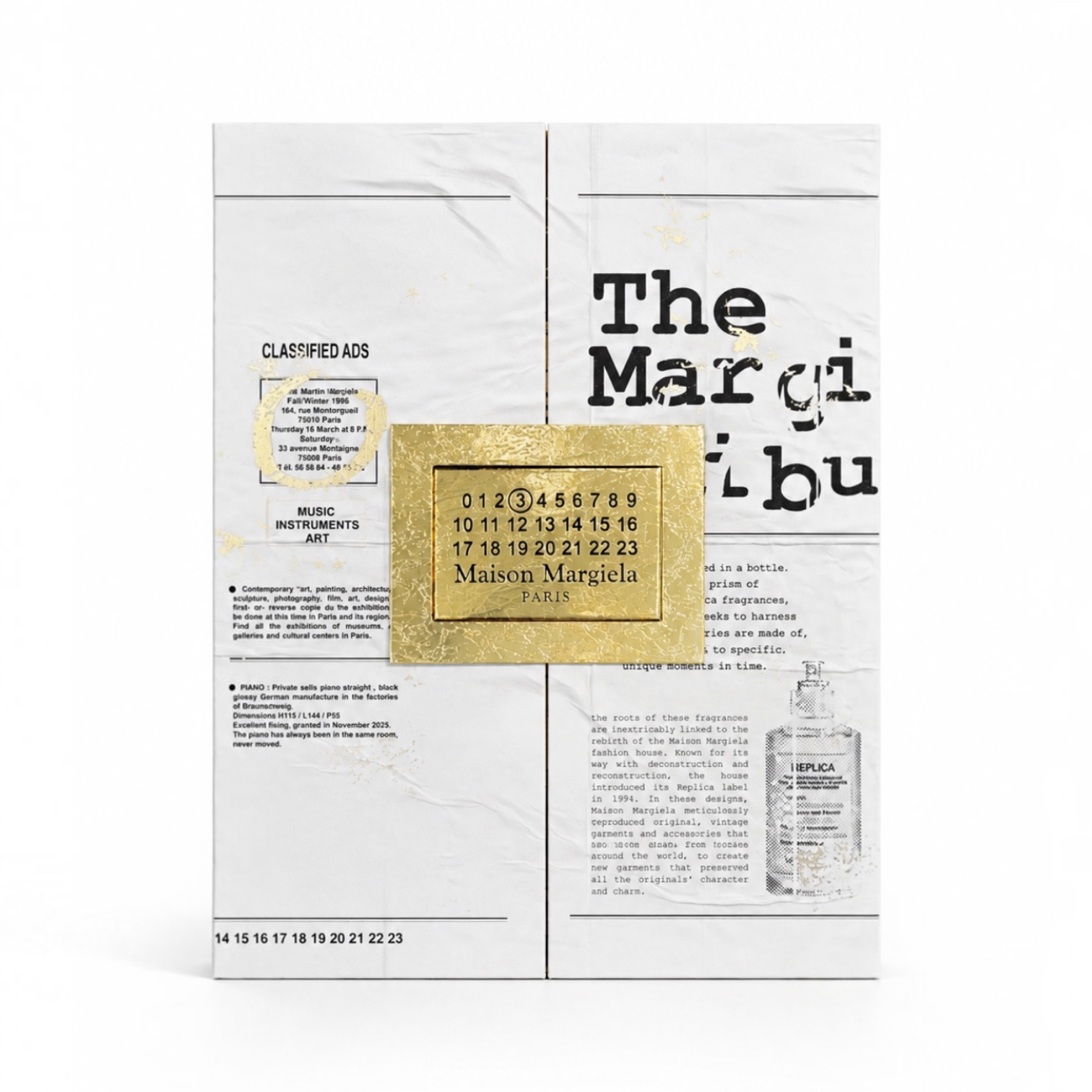
 Replica Gift Set 2026Maison Margiela · seven days, seven scents€ 139
 Molecule Discovery SetEscentric Molecules · 5 × 8.5 ml€ 80
 Discovery SetKai Porten · 4 × 2 ml€ 50
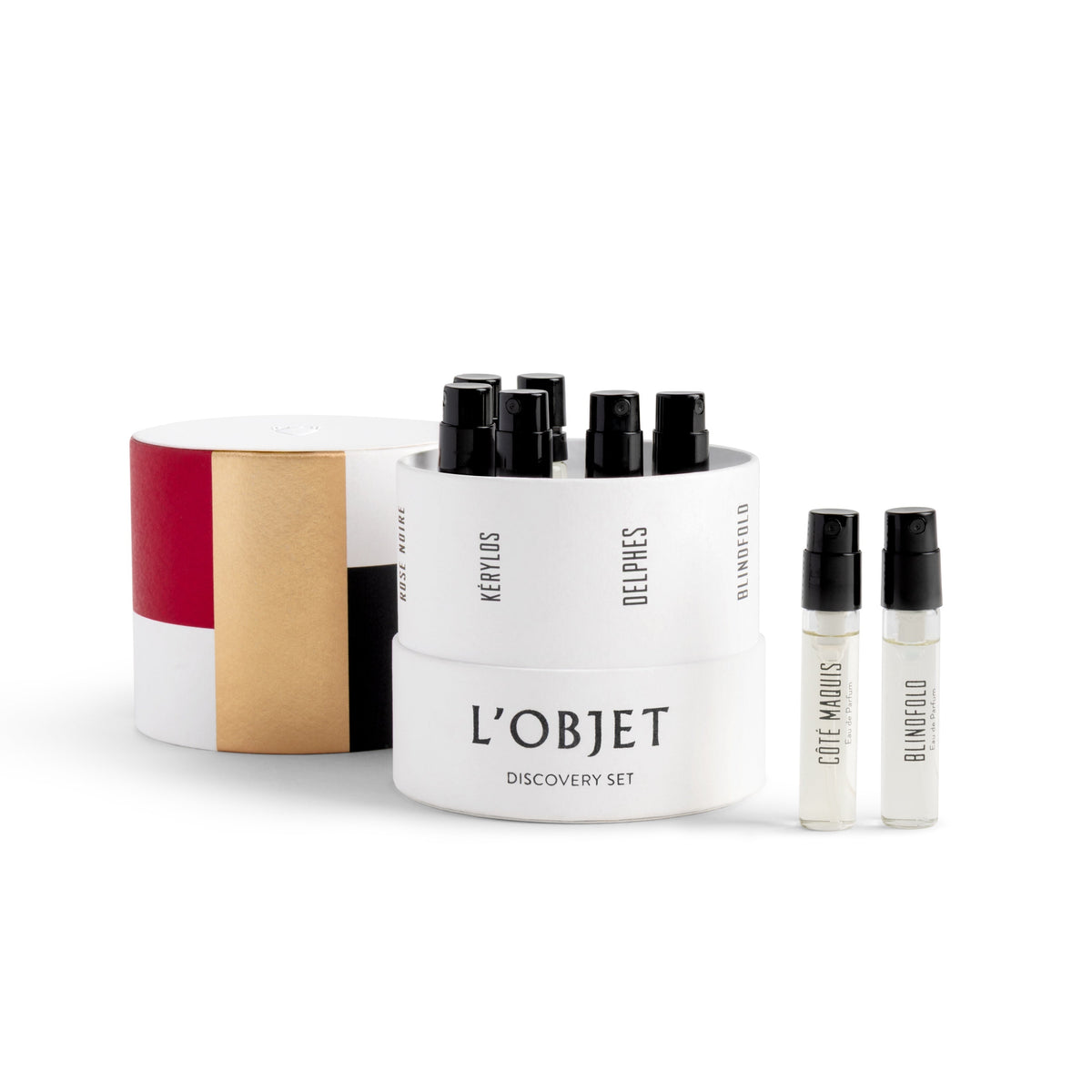
 Discovery SetL'Objet · for sniffing your way through€ 45
Prices according to the 4D OUTFITTERS webshop, as of 21 October 2026. The prices shown are updated automatically from the shop. More sets can be found in our Discovery Sets collection.
Does a perfume smell different on every skin?
Yes, but not in the way people often claim. The "skin pH" that supposedly transforms a fragrance completely has not been convincingly shown by research so far. What is well documented is something subtler: a 2012 study from Charles University in Prague showed that perfume blends with a person's own body odour. A person's own body odour combined with their favourite perfume was rated more pleasant than the same body odour with another, equally liked fragrance. We apparently choose scents that suit us. Add some physics: on dry skin a fragrance fades faster, and warmth speeds up its development.
For you as the giver this means: never test only on yourself. What smells like silk on your wrist may come across quite differently on someone else. One more reason for samples.
Which scents does almost everyone like?
Back to the Current Biology study: across all nine communities, vanillin, the main odour molecule of vanilla, came first among the most pleasant smells. Second was ethyl butyrate, which smells fruity of peach and pineapple. Bottom of the list: isovaleric acid, which smells of cheese and sweaty feet. If you know nothing at all, a well-made vanilla is scientifically the safest bet. More ideas can be found in our article Gourmand perfume: 7 scents good enough to eat.


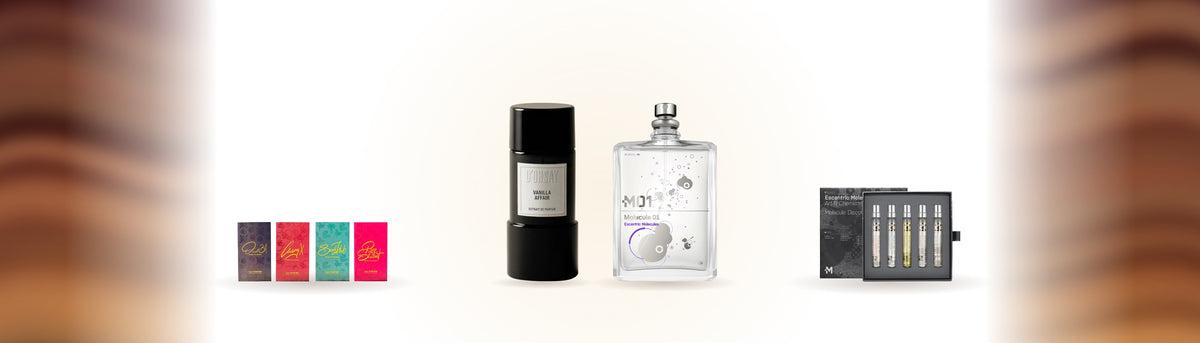
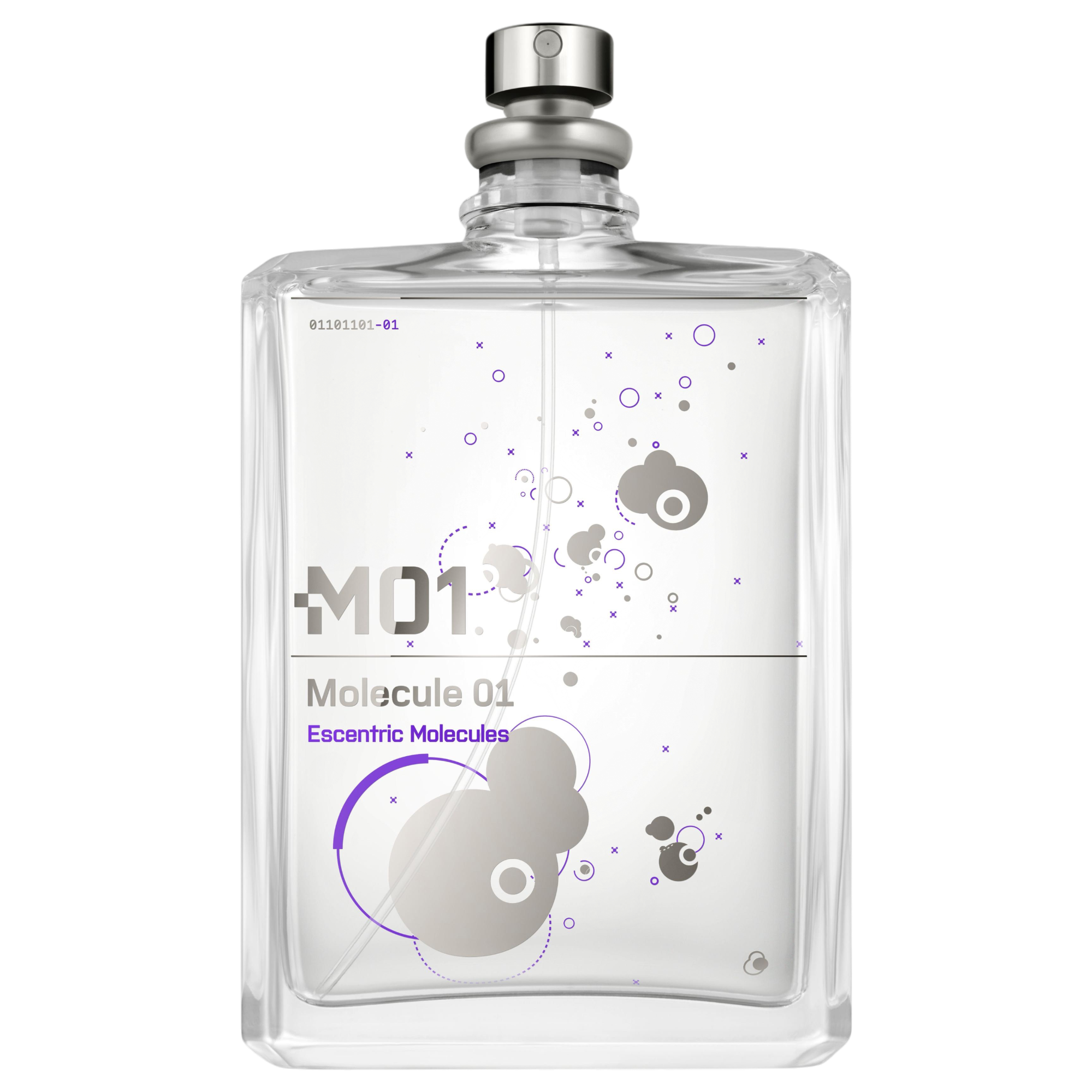
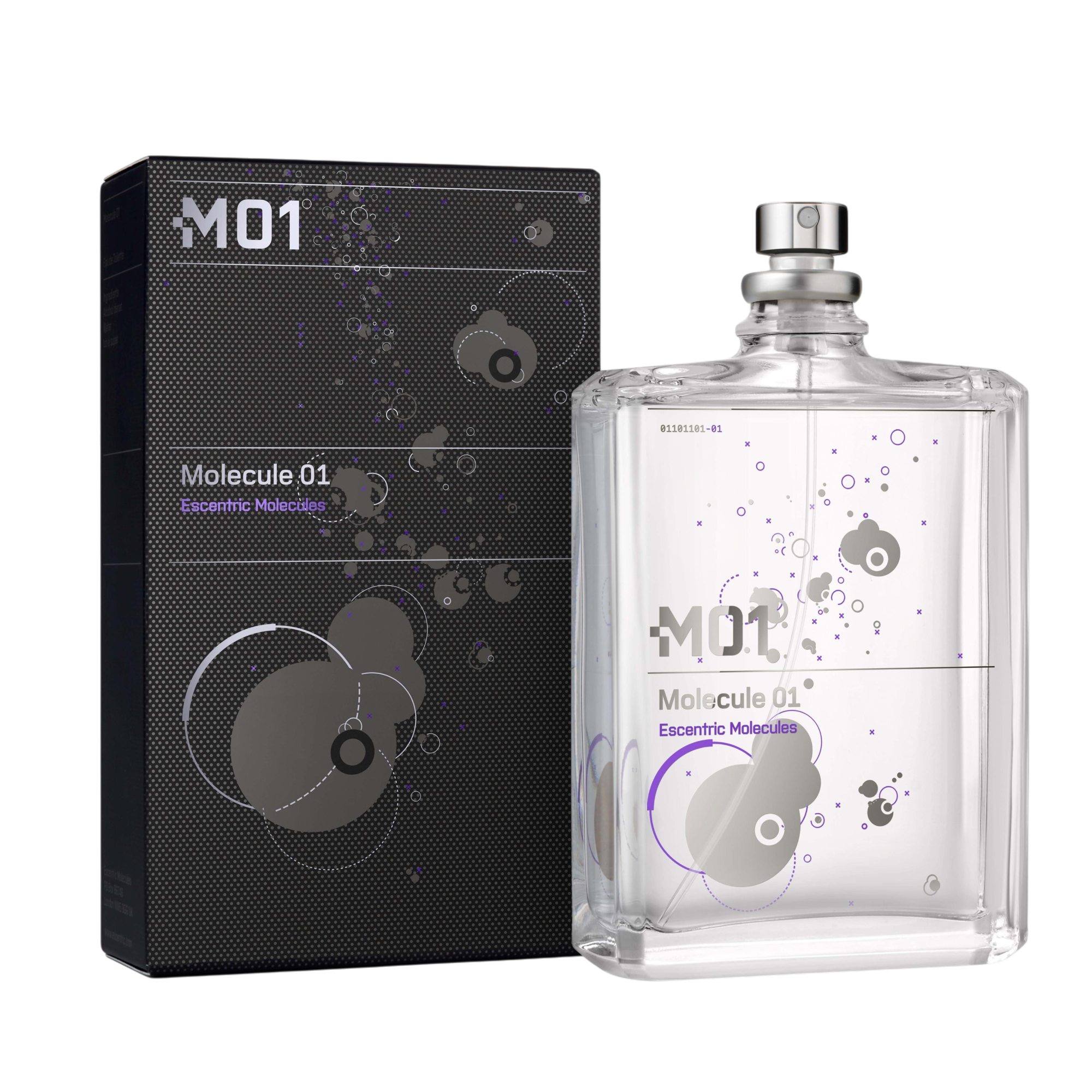
On the right, the classic for strategy 2: Molecule 01 by Escentric Molecules consists only of the woody molecule Iso E Super. The maker itself writes that some people barely notice it on themselves, while others find themselves surrounded by it. For a gift that is almost ideal, because it never imposes itself.
Why a fragrance is the most personal gift
Smells are direct lines into memory. The psychologist Rachel Herz showed that memories triggered by scent are more emotional and feel more like time travel than memories triggered by a picture or a word. Swedish researchers even found that in older people, scent mainly brings back memories from childhood before the age of ten. So if you give a fragrance linked to a shared experience, such as the trip to Paris or the first winter in the new flat, you are giving a memory that lasts for years.
Curiosities about scent as a gift
Of kings, emperors and GIs
- The most famous scented gift in the world
Frankincense and myrrh, two of the three gifts of the Magi, were precious aromatic substances. As early as 243 BC, King Seleucus II gave exactly this combination, together with gold, to the sanctuary of Apollo at Miletus.
- Cleopatra's cloud of scent
Plutarch tells how wonderful scents drifted from Cleopatra's ship across the riverbanks when she met Mark Antony. He wrote this around 150 years later, though, so it is more legend than record.
- A scent for half a civil servant's salary
Johann Maria Farina launched his "Eau de Cologne" in Cologne in 1709. A small bottle is said to have cost up to half a civil servant's annual salary at the time. At the royal courts it was the gift par excellence.
- Napoleon's eau de Cologne
The emperor is said to have used eau de Cologne in large quantities. The often-quoted figure of 60 bottles a month, however, comes from popular sources, not from archives.
- Chanel No. 5 in the parcel home
During the Second World War, American soldiers bought Chanel No. 5 in army stores to send to their loved ones at home. That is how the fragrance became the epitome of the romantic gift in the USA.
- Only one scent for sleeping
Marilyn Monroe's answer that she wore only Chanel No. 5 to bed appeared, according to Chanel, in Life magazine in April 1952. Advertising that money could hardly have bought.
- Humans have around 400 functional olfactory receptor genes and about 600 inactive pseudogenes.
- OR7D4 helps decide whether androstenone smells of sweat, of vanilla or of nothing (Keller et al., Nature 2007).
- Variants of OR4D6 are linked to a weaker perception of the musk Galaxolide (PLoS Genetics 2022).
- In 2019, researchers sequenced the olfactory receptor genes of around 330 people and found single variants that change the perceived intensity of entire smells (PNAS).
- In 2021, Michael Edwards renamed his "Oriental" family "Amber" because the old term was considered outdated.
Frequently asked questions about giving perfume
Can you give perfume without knowing someone's taste?
Yes, with a discovery set, a subtle skin scent or a gift card. That way the recipient can test on their own skin.
How do I find out which perfume someone wears?
See which bottles are in the bathroom, ask their partner or friends and notice when the person's scent catches your attention. A photo of the bottles is enough for advice.
Which scent does almost everyone like?
Vanilla. In a study with people from nine very different cultures, vanillin was rated the most pleasant smell. Quiet musky and woody scents are also rarely a miss.
Does a perfume smell the same on everyone?
No. The genes for olfactory receptors differ, and a fragrance blends with the skin's own scent. That is why you should never test only on yourself.
Eau de Parfum or Eau de Toilette as a gift?
For people who like a subtle scent, an eau de toilette or a light eau de parfum is ideal. Fragrance lovers are usually happiest with an eau de parfum or extrait.
What is a discovery set?
A set with several small bottles or samples from one brand. It makes a particularly good gift because the recipient can discover their favourite scent themselves.
Smell first, then fall in love
The same applies to gifts: trust is good, sniffing is better. With every bottle from 30 ml we include a free sample of exactly this fragrance. From an order value of € 90 you also receive 4 fragrance samples. You are welcome to note a particular sample request in your basket, for example two or three candidates you would like to test on the recipient before the big purchase – if in stock, we will gladly take it into account. Shipping is free from € 200.
Or come to our boutique in Bregenz with your phone photo from the bathroom. We translate the bottles into fragrance families and suggest scents that fit. For even more joy when unwrapping, see our 20 layering tips and the 10 tips for applying perfume correctly.
Your 4D OUTFITTERS team, Bregenz
Sources: Wikipedia: Olfactory receptor · Rockefeller University: OR7D4 · Karolinska Institutet: Arshamian et al. 2022 · Milinski & Wedekind, Behavioral Ecology 2001 · Lenochová et al., PLOS ONE 2012 · Wikipedia: Fragrance wheel · Willander & Larsson 2006 · Herz & Schooler 2002 · Escentric Molecules FAQ · Wikipedia: Johann Maria Farina · Wikipedia: Chanel No. 5 · Biblical Archaeology Society






Leave a comment
This site is protected by hCaptcha and the hCaptcha Privacy Policy and Terms of Service apply.