

The Fragrance Pyramid Explained: Top, Heart and Base Notes
You spray, you sniff, you're smitten – and an hour later the scent suddenly smells quite different. That's not a flaw, it's by design. Behind this change lies the fragrance pyramid of top, heart and base notes: the model perfumers, brands and perfumeries use to describe how a perfume unfolds on the skin. We explain what the three tiers mean, who came up with the idea, why a scent made of a single molecule has no pyramid at all – and how this knowledge will make you a smarter sniffer next time you test.
- The fragrance pyramid sorts a perfume's materials by how quickly they evaporate: the fleeting ones at the top, the lasting ones at the bottom.
- Top notes: the first impression, usually fresh and sparkling (citrus, herbs), gone after a short while.
- Heart notes: the character of the scent, often flowers and spices, carrying you through the first hours.
- Base notes: the foundation of woods, resins, amber, vanilla and musk. They last longest, sometimes until the next day on your scarf.
- But: the pyramid is a model. Modern fragrances are often “linear”, and a scent like Molecule 01 consists of one single aroma chemical.
What is a fragrance pyramid?
A perfume is a blend of dozens, often hundreds, of aroma materials dissolved in alcohol. As soon as it lands on your skin, a race begins: the alcohol evaporates within seconds, then the aroma materials follow – but not all at the same speed. Small, light molecules have a high vapour pressure and reach your nose first. Larger, heavier molecules cling on longer. As a rule of thumb, the bigger the molecule, the slower it evaporates, although shape and polarity also have a say.
The fragrance pyramid turns this race into a picture. At the top the sprinters, in the middle the middle-distance runners, at the bottom the marathon runners. Because less happens for less time at the top and most of the “mass” sits at the bottom, it's a pyramid rather than a cube.
Top notes
Small, light molecules that evaporate quickly. Typical: bergamot, lemon, mandarin, grapefruit, herbs, pink pepper. They feel fresh, bright, sometimes sharp – and they're the reason you fall in love in the shop.
Heart notes
The real character. Typical: rose, jasmine, iris, orange blossom, spices such as cardamom or cinnamon. They emerge as the top notes fade and shape how you remember the scent.
Base notes
The foundation of large, heavy molecules. Typical: sandalwood, cedar, vetiver, patchouli, resins, vanilla, amber, musk. Some base notes can still be smelled on fabric after more than 24 hours.
How long do the individual notes last?
There are no fixed timings, and anyone promising you exact minutes is fibbing a little. Top notes usually fade within the first few minutes up to about half an hour. According to common reference descriptions, base notes often only become clearly noticeable after around half an hour and, musk and animalic notes in particular, can linger for a very long time. The heart sits in between. How quickly all this happens depends on concentration, skin type, temperature and humidity. Read more about the role of concentration in our article Eau de Toilette, Eau de Parfum or Extrait.
Who invented the fragrance pyramid?
The idea of arranging scents like music is older than any marketing department. The British chemist and perfumer Septimus Piesse (1820–1882) transferred the language of music to smells in the 19th century: he spoke of “notes” and “chords” and arranged aroma materials on a musical scale he called the “odaphone”. Intriguingly, his order did not follow volatility: in places he ranked ambergris and civet above bergamot. His vocabulary, however, survived – whenever you say “top note” today, you're speaking Piesse.
Things became more scientific with William Arthur Poucher, author of the standard work Perfumes, Cosmetics and Soaps, first published in 1923. He rated materials on a scale of 1 to 100 according to their evaporation. The classification as cited in later editions:
| Poucher value | Tier | What it means |
|---|---|---|
| 1–14 | Top note | Evaporates quickly, shapes the opening |
| 15–60 | Heart note | Medium tenacity, the character of the scent |
| 61–100 | Base note | Long-lasting, carries and fixes |
And the image of the pyramid itself? According to the literature, the concept appeared in the 19th century and was popularised by pioneers such as François Coty, who created the legendary Chypre in 1917.
What is an accord in perfume?
Individual notes are like tones; an accord is several tones at once: a combination of materials that together create a new, distinct impression. Some accords were so influential that entire fragrance families are named after them.
The most famous example sits on our shelf: Fougère Royale by Houbigant. Paul Parquet created it in 1882, and it is regarded as the founder of the fougère family, French for “fern”. The funny thing: ferns barely smell. Parquet invented a fantasy scent of lavender, oakmoss and coumarin – a substance that had only been synthesised in 1868. As the lavender freshness fades, the oakmoss and the hay-like sweetness of coumarin come through. A little pyramid in its purest form. Almost every classic barbershop scent is a grandchild of this composition. Learn more about the house in our history of Houbigant.
The second great accord is chypre: fresh citrus notes on top, oakmoss and patchouli below. Named after the island of Cyprus, made famous by Coty's Chypre of 1917.
 Fougère Royale ExtraitHoubigant · the first fougère€460
 Peacock ThroneThameen · classic pyramidfrom €220
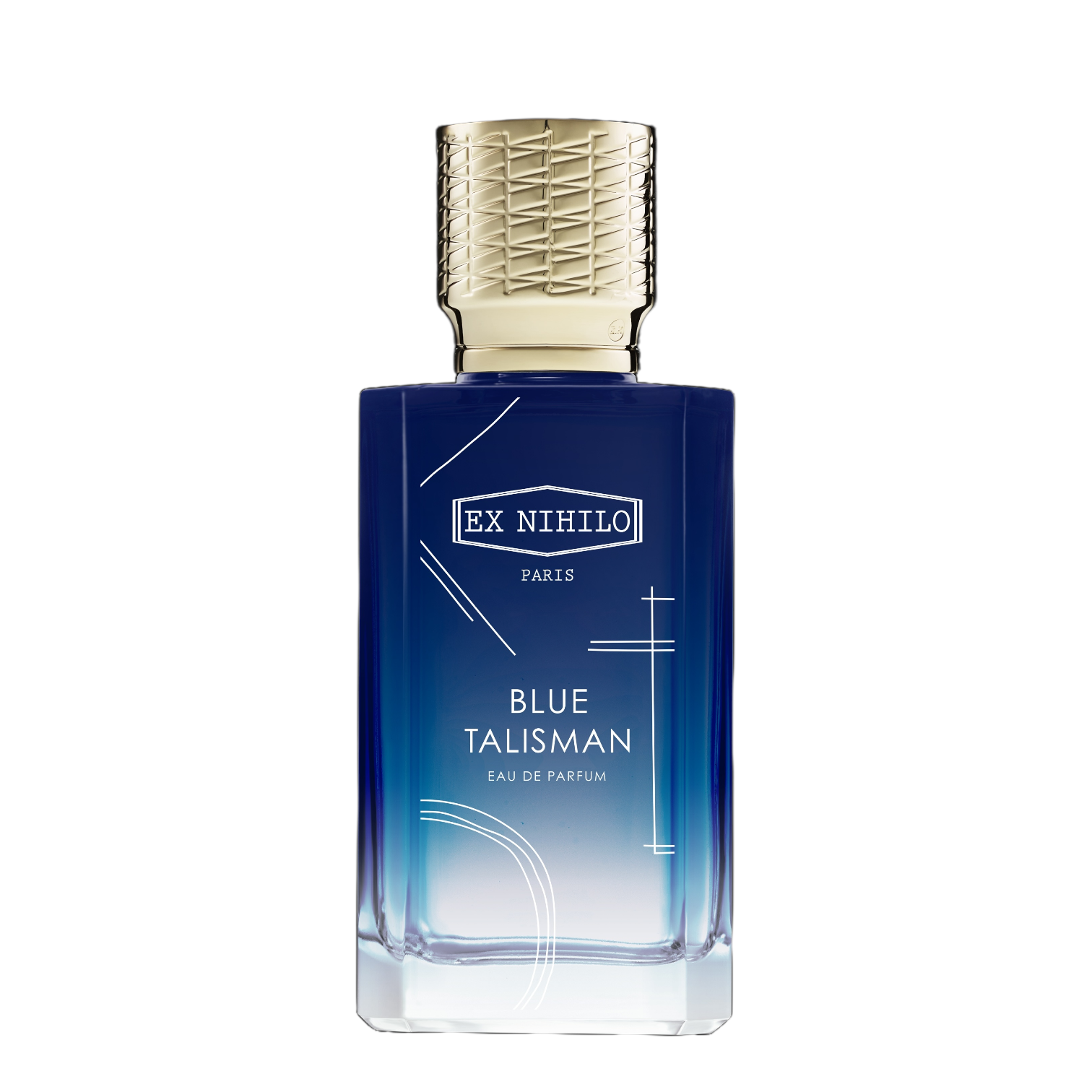
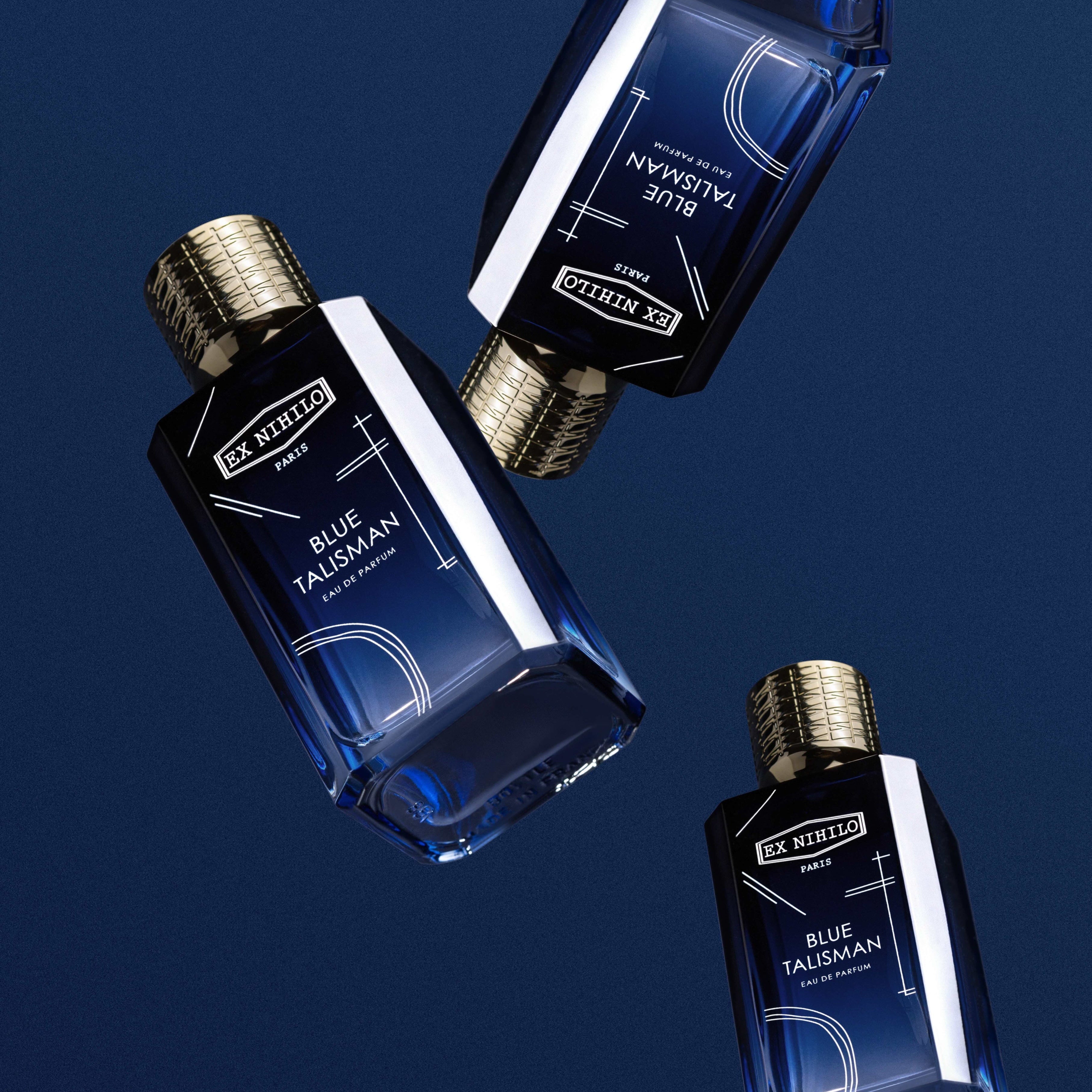
 Blue TalismanEx Nihilo · pear to muskfrom €195
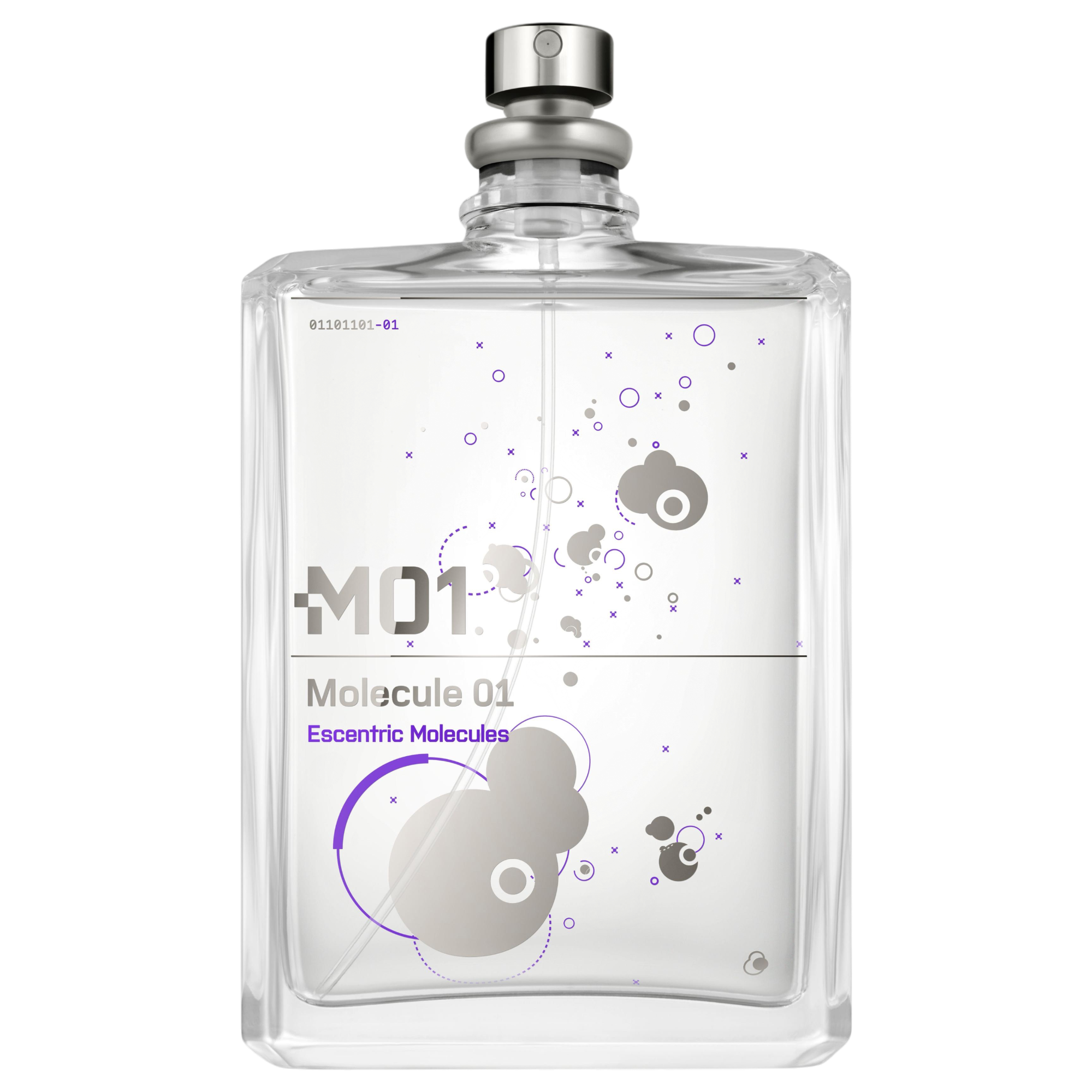
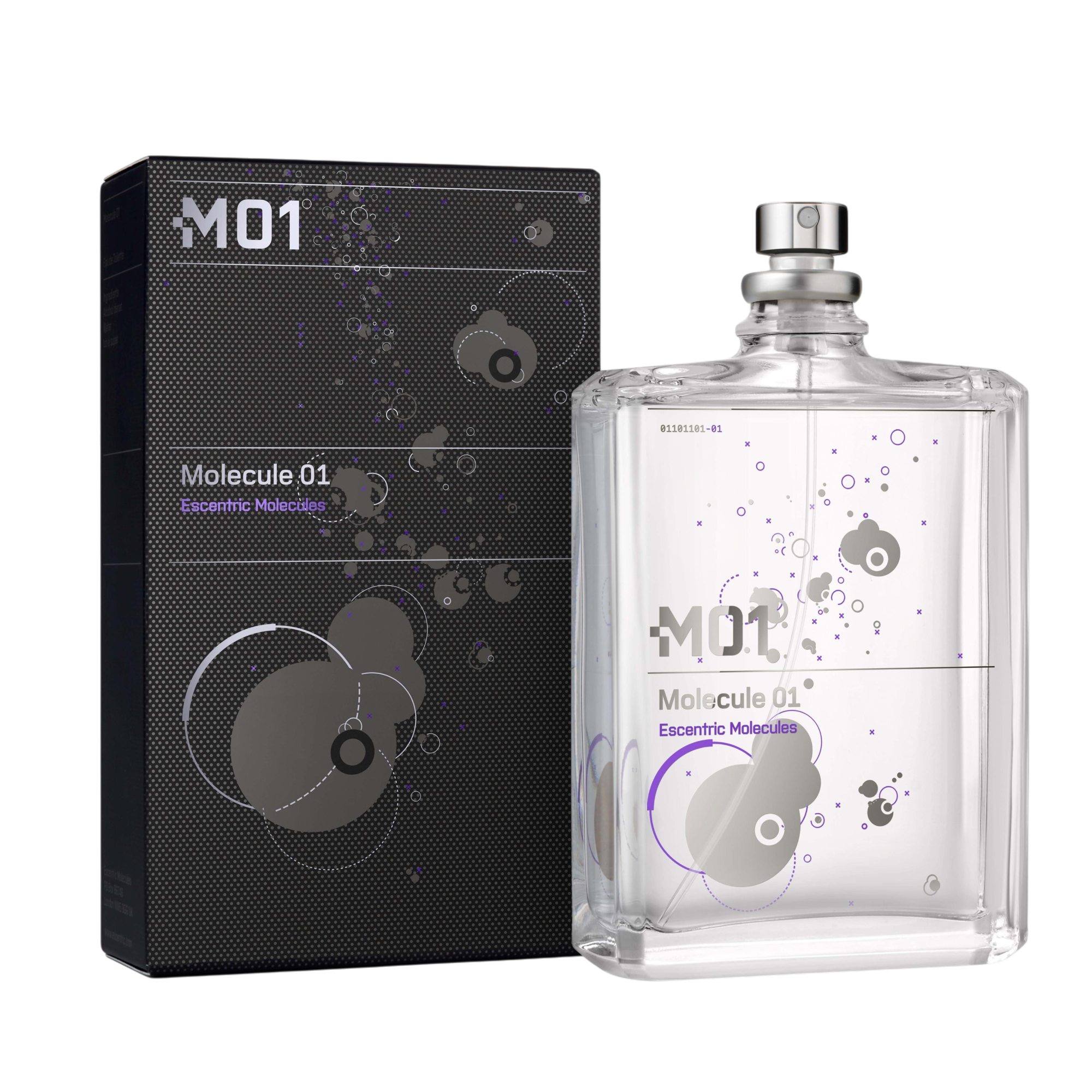
 Molecule 01Escentric Molecules · one molecule€150
Prices according to the 4D OUTFITTERS webshop, as of 20 October 2026. Displayed prices update automatically from the shop.
How do you read a fragrance pyramid? An example
Take Peacock Throne by Thameen, whose pyramid Fragrantica lists as follows: orris root, pink pepper and Indian jasmine on top, Taif rose in the heart, patchouli, vetiver and vanilla in the base. Translated, that means: the opening is powdery and tingling, after a while an opulent rose takes over, and in the evening an earthy-sweet woody tone remains. Judge only the first spray and you know a third of the scent at most. We tell the story behind the name in our portrait Thameen London: Perfumes Like Crown Jewels.
Second example: Blue Talisman by Ex Nihilo. Juicy pear and bergamot on top, orange blossom in the middle, musk and Akigalawood below. In our comparison Blue Talisman or Extrait? we traced its development hour by hour. What Akigalawood actually is, our ingredient glossary explains.
Is the fragrance pyramid even accurate?
Honest answer: as a model, yes; as a law of nature, no. Even the specialist literature notes that the concept of notes is used mainly in the marketing of perfumes. Three reasons:
- Notes are not ingredients. “Pear” in the pyramid doesn't mean anyone squeezed pears. A note often arises from several materials, and one material can colour several notes.
- Notes influence each other. The presence of one substance changes how we perceive another. A scent is more than the sum of its tiers.
- Many modern fragrances are linear. They smell remarkably similar from first to last minute, because modern long-lasting molecules already play a part in the opening.
The most extreme counter-example: Molecule 01 by Escentric Molecules. In 2006 perfumer Geza Schoen launched a scent consisting of one single aroma chemical: Iso E Super, a woody, velvety molecule. No top note, no heart, no base. Just a quiet woody shimmer that some people barely notice on themselves while others notice it all the more. Its sibling Escentric 01, by contrast, shows what happens when you build a composition around the very same molecule.

How to use this knowledge when testing
- Never buy after the first spray. The top note is the trailer, not the film. Wait at least 20 to 30 minutes.
- Test on skin, not just on paper. Blotters show the opening well, but your skin changes heart and base.
- Two or three scents per round at most. When all the base notes wake up at once, things get confusing.
- Do the scarf test. A touch on a scarf reveals the next morning what the base really smells like.
- Read the pyramid as a map. If you love the base of a scent, look specifically for scents with a similar base, even if the top notes sound completely different. For combinations, try our 20 layering tips.
Curiosities about the fragrance pyramid
Of musical scales, mountaineers and ferns that don't smell
- Perfume as a musical scale
In the 19th century Septimus Piesse arranged aroma materials like tones on a scale. We still use his terms “note” and “accord” today.
- The perfumer who climbed mountains
William Arthur Poucher, who shaped the evaporation scale from 1 to 100, later became best known as a mountain photographer and author of hiking guides.
- A fern without a fern scent
Fougère means fern, yet the fragrance family smells of lavender, moss and hay. In 1882 Paul Parquet simply invented what a fern might smell like.
- Chemistry makes history
Coumarin had only been synthesised in 1868. Fourteen years later it made Fougère Royale one of the first great perfumes with a synthetic building block.
- A pyramid of one stone
Molecule 01 contains only Iso E Super. Anyone who wears it proves that a perfume doesn't need tiers to work.
- The scarf knows more
Some base notes, especially musk, can still be noticed on fabric after more than 24 hours. That's why your favourite scarf still smells of the weekend days later.
- Volatility has no fixed numerical value; it is described via vapour pressure or boiling point. High vapour pressure means fast evaporation.
- Poucher scale: 1–14 top note, 15–60 heart note, 61–100 base note.
- Fixatives balance the vapour pressures of the materials. They include resins such as labdanum and frankincense, but also low-vapour-pressure solvents such as benzyl benzoate.
- Fougère Royale was discontinued in the 1950s and reinterpreted for Houbigant by Rodrigo Flores-Roux in 2010.
- Molecule 01 (2006) by Geza Schoen consists of Iso E Super. Escentric 01 combines this molecule with other aroma materials.
Frequently asked questions about the fragrance pyramid
What is the difference between top, heart and base notes?
The top note is the first, fleeting impression, often citrusy or herbal. The heart note is the character of the scent, frequently floral or spicy. The base note consists of heavy, long-lasting materials such as woods, resins, vanilla and musk.
How long do top notes last?
Usually just a few minutes up to about half an hour. Exactly how long depends on the materials, concentration, skin and temperature.
Who invented the fragrance pyramid?
The terms note and accord go back to Septimus Piesse in the 19th century. William Arthur Poucher later ranked materials on a scale of 1 to 100 by evaporation. The image of the pyramid was popularised by pioneers such as François Coty.
What is an accord in perfume?
An accord is a combination of several aroma materials that together create a new impression. Well-known examples are the fougère accord of lavender, oakmoss and coumarin and the chypre accord of citrus, oakmoss and patchouli.
Do all perfumes have a fragrance pyramid?
No. Many modern fragrances are linear and smell similar for hours. Molecule 01 by Escentric Molecules even consists of a single aroma chemical, Iso E Super.
How do I test a perfume properly?
Spray it on your skin and wait at least 20 to 30 minutes before judging. At 4D OUTFITTERS you receive a sample of the ordered scent with every fragrance order and can choose up to four more free samples via the order note.
Smell first, then fall in love
The best way to understand a fragrance pyramid is to experience it – for a whole day, on your own skin. That's why we include a sample of exactly the scent you ordered with every fragrance order, so you can get to know it at leisure before opening the bottle. Via the order note in your cart you can also request up to four more free samples, for example Molecule 01 and Escentric 01 for a direct comparison of linear and composed. Shipping is free from €200.
Or visit us at our boutique in Bregenz, sniff your way through top, heart and base and let us advise you. Curious about individual materials? Then read how cinnamon travelled from the pharaoh's tomb into the bottle.
Your 4D OUTFITTERS team, Bregenz
Sources: Wikipedia: Note (perfumery) · Wikipedia: Duftnote · Wikipedia: Septimus Piesse · Wikipedia: W. A. Poucher · Wikipedia: Fougère · Wikipedia: Fixative · Wikipedia: Volatility · Fragrantica: Fragrant Notes and Redolent Sounds · Fragrantica: Peacock Throne · Escentric Molecules






Leave a comment
This site is protected by hCaptcha and the hCaptcha Privacy Policy and Terms of Service apply.