

Eau de Toilette, Eau de Parfum or Extrait: What Is the Difference?
The bottle says “Eau de Toilette”, “Eau de Parfum” or “Extrait” – and most people think: the more expensive the word, the more scent. That is not entirely wrong. But it is not entirely right either. There is no binding rule on how much perfume oil an Eau de Parfum must contain, and sometimes the “weaker” label is in fact a completely different fragrance. We explain what the difference between Eau de Toilette, Eau de Parfum and Extrait really is, why an Extrait does not automatically smell louder and which concentration suits you.
- The difference lies in the share of aromatic compounds: roughly 2–5 % for Eau de Cologne, 5–15 % for Eau de Toilette, 10–20 % for Eau de Parfum and from about 15 % to over 30 % for Extrait de Parfum.
- The terms are not legally standardised. Every house decides for itself what goes on the bottle. A strong Eau de Toilette can be more powerful than a delicate Eau de Parfum.
- Higher concentration usually means longer-lasting, not louder. An Extrait contains less alcohol, often stays closer to the skin and lasts longer in return.
- Same name, different scent: the Eau de Parfum and the Extrait of the same fragrance are often separate compositions, not simply diluted or strengthened.
What is the difference between Eau de Toilette, Eau de Parfum and Extrait?
At its core, every perfume consists of two things: the fragrance concentrate, a blend of natural and synthetic aroma materials, and the solvent, almost always alcohol with a little water. According to German Wikipedia, the ethanol content is usually above 80 per cent. The label tells you how much concentrate is floating in that solution.
So far, so simple. It gets complicated as soon as you look for numbers. English Wikipedia gives 15–20 per cent for Eau de Parfum, German Wikipedia 10–14 per cent and an expert article on Fragrantica 10–20 per cent. They are all right, because there is no binding standard. Fragrantica author Igor Masyukov puts it in a nutshell: in Europe and the US, any brand may call a liquid with, for example, ten per cent fragrance composition an Extrait. The label is more a statement of intent than a measurement.
Eau de Cologne
Around 2–5 % aromatic compounds. Zesty, citrusy, gone after a short while. The classic to apply generously.
Eau de Toilette
Around 5–15 %. Often with pronounced top notes, ideal for daytime, the office and warm months.
Eau de Parfum
Around 10–20 %. Today's standard in niche perfumery: good longevity, a noticeable trail.
Extrait de Parfum
From about 15 %, sometimes over 30 %. Less alcohol, more depth, closer to the skin and very long-lasting.
Guide values based on Wikipedia and Fragrantica. Each house sets its own concentrations.
Does an Extrait really last longer?
Usually, yes. It is a matter of physics. A fragrance consists of molecules that evaporate at different speeds. The small, light molecules of the top note are gone within minutes, the heart lasts about 20 to 60 minutes according to Wikipedia, and the large, heavy molecules of the base evaporate so slowly that some musks can still be smelled after 24 hours. More concentrate means more material rising gradually from the skin.
Now for the catch that many people do not know. Alcohol is not just a solvent but also a vehicle. It evaporates quickly and carries scent molecules into the air with it. An Extrait has less of it. Fragrantica author Elena Vosnaki sums it up: an Extrait lasts the longest, but because of its lower alcohol content it projects less than an Eau de Parfum. If you want a noticeable scent cloud in the room, an Eau de Parfum is often the better choice. If you want the fragrance to cling to you all day like a second shirt, reach for the Extrait.
Longevity
How long a fragrance can be smelled on skin or fabric. It generally increases with concentration and depends heavily on the base notes.
Sillage
The scent trail you leave in a room. It depends on the composition, alcohol content and dosage and is often more discreet with an Extrait than expected.
Is an Extrait simply a stronger Eau de Parfum?
This is the biggest misconception. The idea that a perfume house takes the same formula and simply adds more or less alcohol rarely holds true in niche perfumery. According to Fragrantica, flankers such as Extraits or Intense versions are usually separate projects, often even by different perfumers. As Masyukov puts it, the concentration is usually tailored to the composition, not the other way round.
The most famous example is Chanel No. 5. The Parfum dates from 1921, the Eau de Toilette came later, and according to Chanel the Eau de Parfum was reinterpreted by Jacques Polge in 1986. Wikipedia describes it as a fragrance in its own right, different from the Parfum and the Eau de Toilette. Same name, three characters.
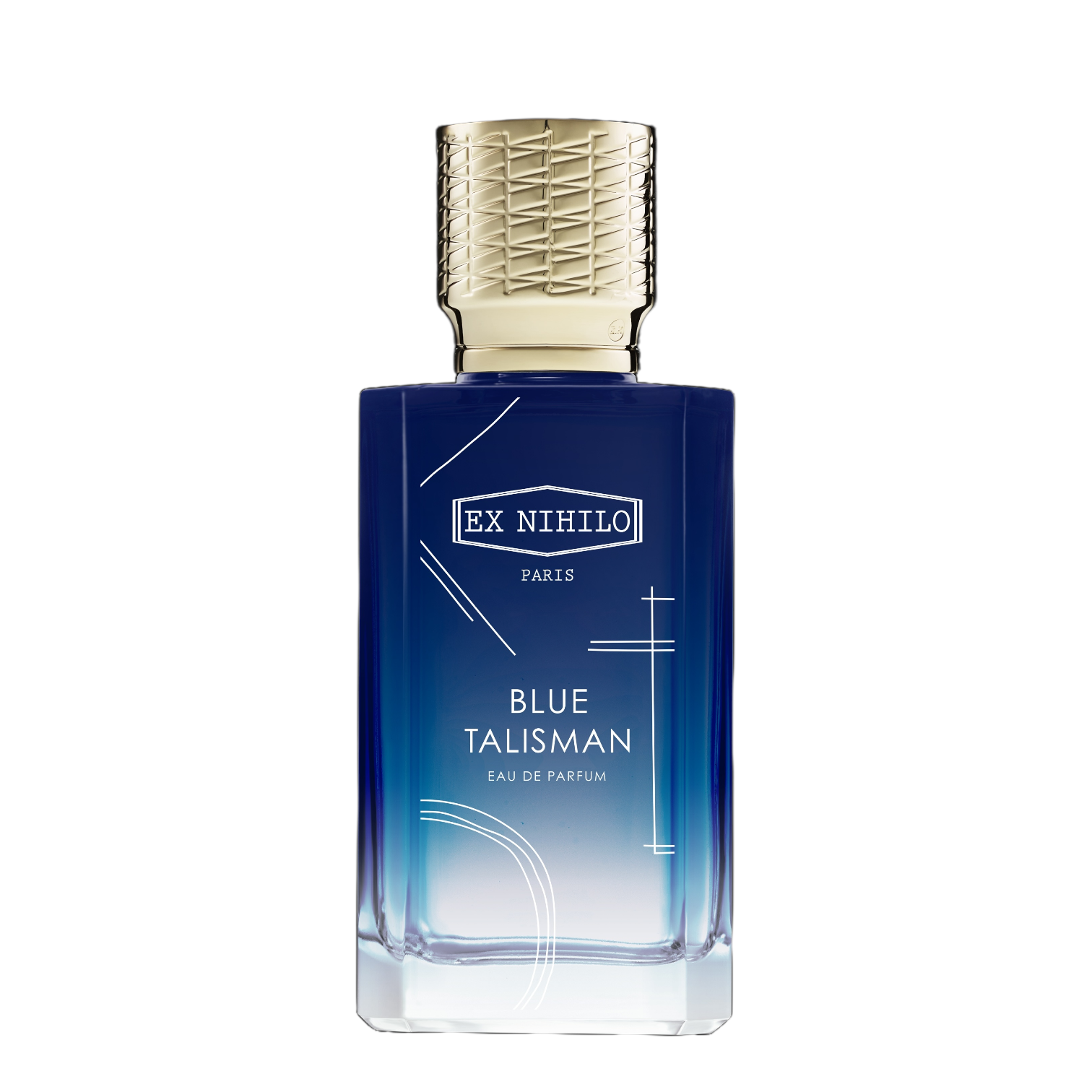
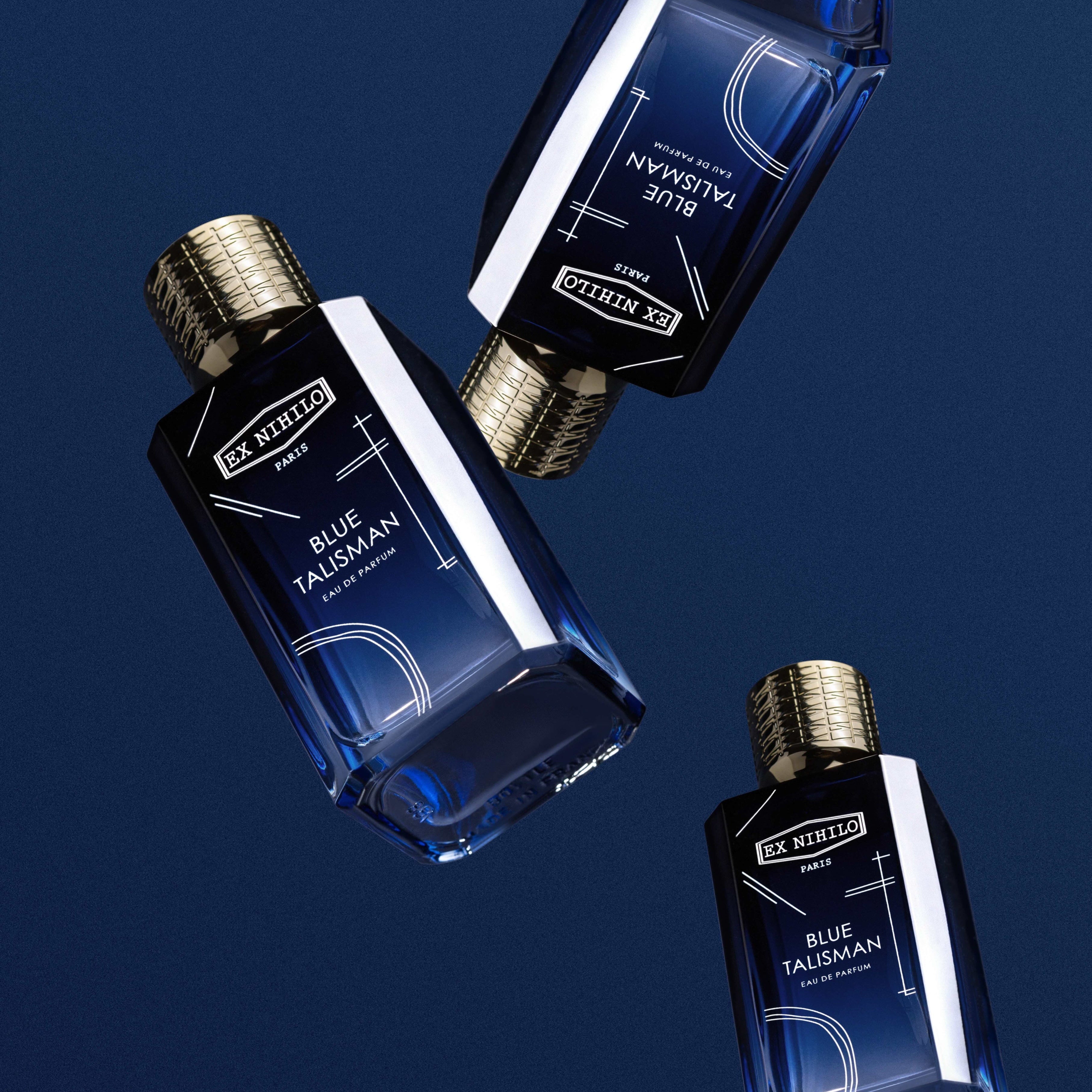
You can see the principle in our shop every day. Gris Charnel by BDK Parfums and Gris Charnel Extrait share an idea but smell noticeably different, as we show in Gris Charnel or Extrait?. And with the duo Blue Talisman and Blue Talisman Extrait by Ex Nihilo, the Extrait even adds completely new notes such as jasmine sambac, sandalwood and vanilla. You will find our detailed comparison in Blue Talisman or Extrait?.


Prices from the 4D OUTFITTERS web shop, as of 19 October 2026. The prices shown are updated automatically from the shop.
According to Fragrantica, the percentage printed on some bottles, such as “80 % vol.”, usually refers to the alcohol content, not the share of perfume oil. If you look for the concentration on the label, you usually will not find it at all.
Where do the names Eau de Cologne and Eau de Toilette come from?
The story does not begin in Paris but on the Rhine. In Cologne, Johann Baptist Farina founded a trading house in 1709, and his brother Johann Maria Farina joined in 1714. His light scented water of citrus oils in alcohol became a sensation, and from 1740 the name “Eau de Cologne” – water from Cologne – appears in the company's books. The house of Farina still exists today and sees itself as the world's oldest family-owned perfume house.
The famous house number came later: under French occupation in 1794, the house in Glockengasse was given the number 4711, which Wilhelm Mülhens turned into a brand name. And the Eau de Toilette? The French “toilette” derives from “toile”, cloth, and from the late 17th century referred to the morning ritual of dressing and grooming. An Eau de Toilette was simply the water for your morning routine. Eau de Parfum is the youngest term: according to Wikipedia, it appeared in the 1970s and caught on in the 1980s.
Which concentration suits you?
Rather than asking about percentages, ask about moments. A little guide:
- You want freshness you can reapply? An Eau de Cologne or Eau de Toilette. Interesting: Cologne One by Escentric Molecules reinvents the classic Eau de Cologne and, according to the brand, has a concentration of 15 per cent. A “Cologne” at Eau de Parfum level – there is no better way to show how freely the names are used.
- You want a fragrance that accompanies your day and gets noticed? An Eau de Parfum, such as Tobacco Memories by Chambre52 or Enigma Pour Homme EdP by Roja Parfums.
- You love depth, closeness and stamina, perhaps for the evening? An Extrait or Parfum, such as Tobacco Memories Extrait or Enigma Parfum Pour Homme. We explain how the versions differ in Tobacco Memories or Extrait? and Enigma Pour Homme EdP or Parfum?.
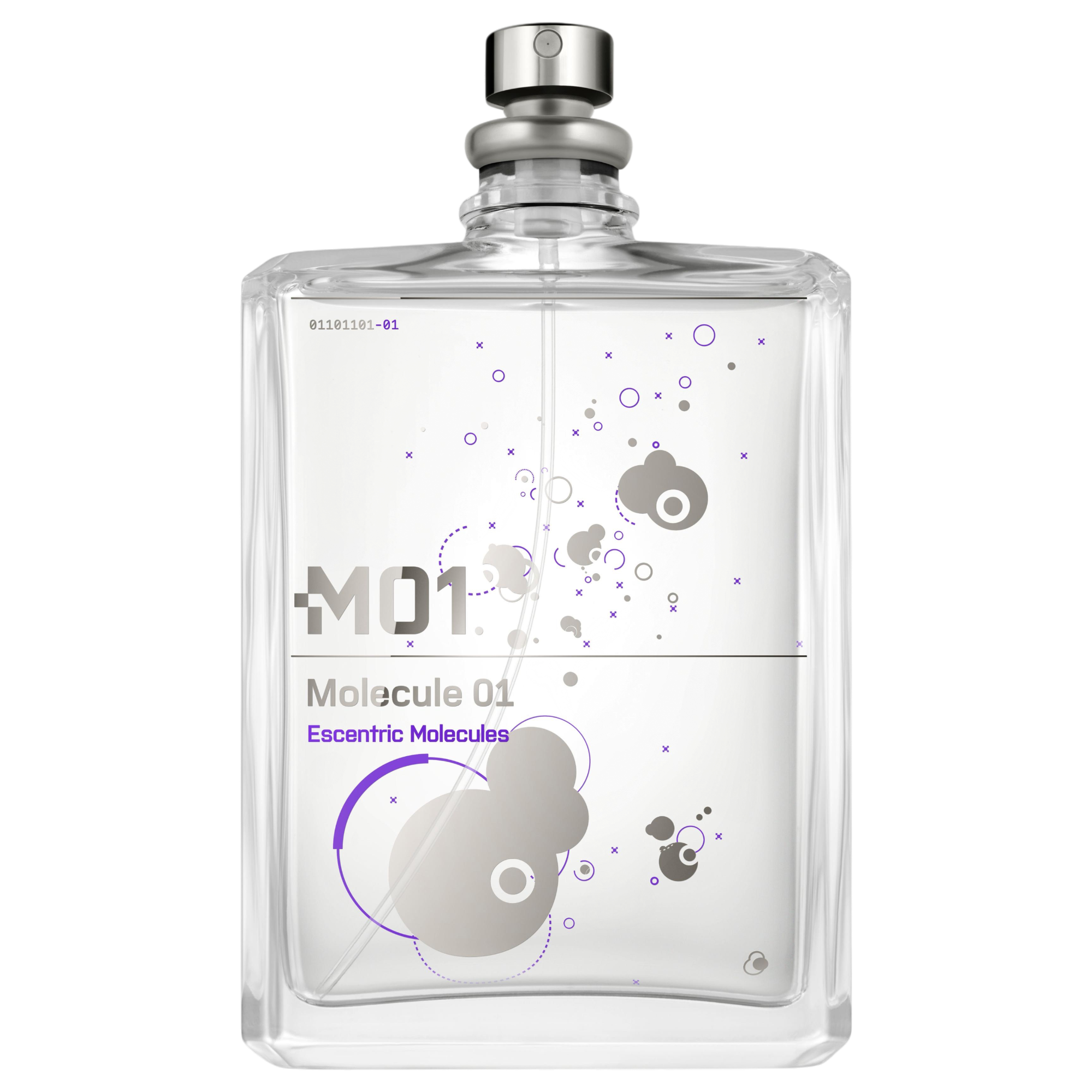
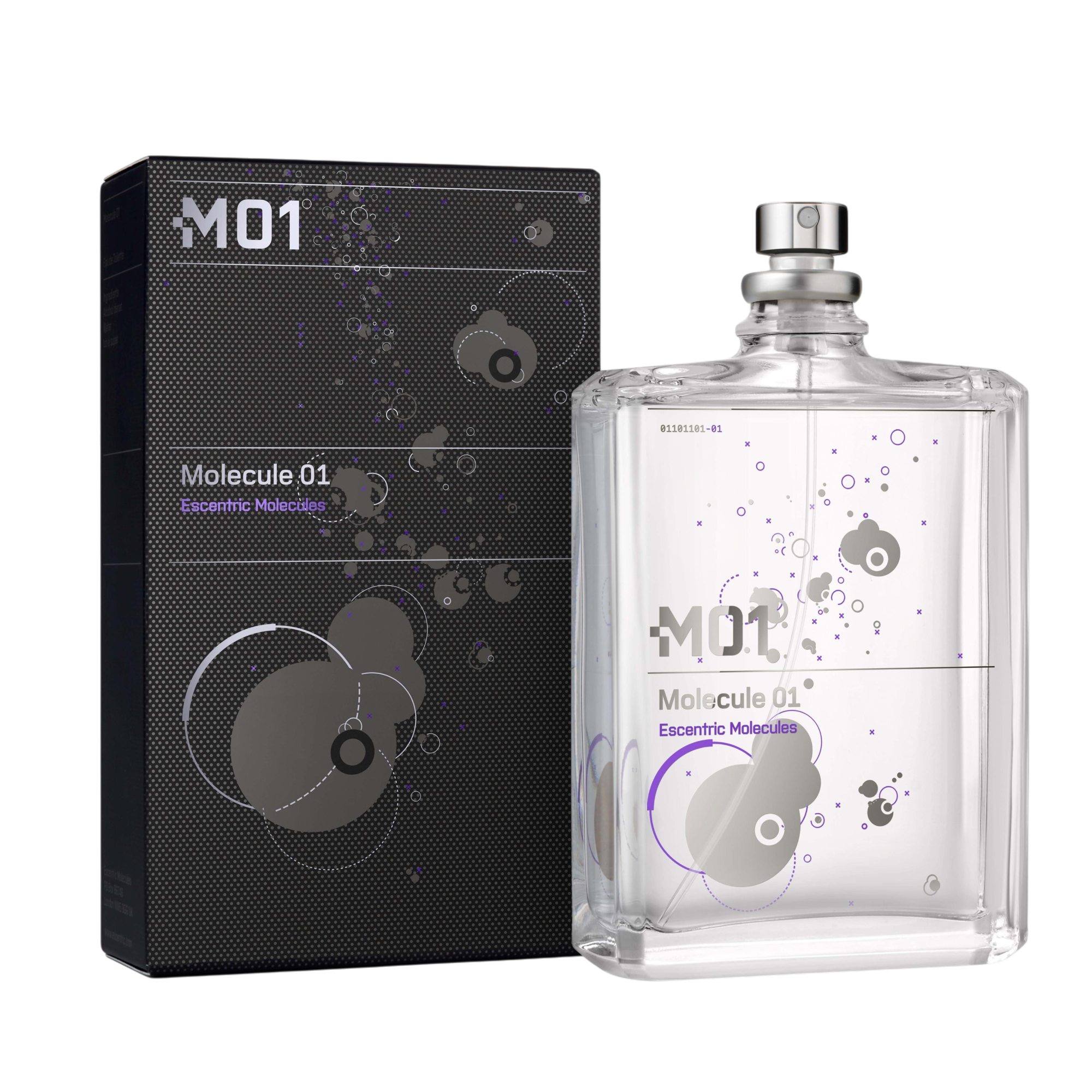
- You want others above all to notice your scent? Then the composition matters more than the label. According to Escentric Molecules, Molecule 01 consists solely of the molecule Iso E Super and works more like an aura than a classic fragrance.
 Cologne One€155
 Blue Talisman, Eau de Parfumfrom €195
 Blue Talisman Extraitfrom €275
 Molecule 01€150
Prices from the 4D OUTFITTERS web shop, as of 19 October 2026.
Why does the same fragrance smell different on me?
Concentration is only one factor. According to Fragrantica, perfume evaporates faster on dry and warm skin. An unscented moisturiser beforehand helps, because fragrance clings better to supple skin. Warmth makes scent rise but also speeds up evaporation, which is why the famous pulse-point advice is only half right. And fabric and hair hold fragrance much longer than skin. So if you want to enjoy your Eau de Toilette for longer, mist a touch onto your scarf or coat collar. You will find more tips on applying fragrance in 10 tips on applying perfume correctly, and how to combine concentrations cleverly in our 20 tips on perfume layering.
Curiosities about concentration
What no label tells you
- Cologne before Paris
The term “Eau de Cologne” appears in the books of the house of Farina from 1740. The capital of light scented water was on the Rhine, long before Paris set the tone.
- A house number as a global brand
4711 is not a recipe number but the house number French occupiers gave to the building in Cologne's Glockengasse in 1794.
- Toilette comes from cloth
“Toilette” derives from the French “toile”, cloth. An Eau de Toilette was originally the water for daily grooming and dressing.
- Extraits were dabbed
According to Fragrantica, Extraits were traditionally sold in small bottles of 7.5 to 30 millilitres and dabbed on with the glass stopper rather than sprayed. Precious things should not be blown into the air.
- A fragrance with exactly 40 per cent
According to Fragrantica, Amouage released Jubilation 40 Man, a flanker with exactly 40 per cent aromatic compounds – far beyond what most Extraits contain.
- Three Chanel No. 5s
The Parfum, Eau de Toilette and Eau de Parfum of Chanel No. 5 are different compositions. Jacques Polge only created the Eau de Parfum in 1986.
- No standard: In the EU, the terms Eau de Toilette, Eau de Parfum and Extrait are not tied to fixed percentages. Different reference works give different ranges.
- Solvent: Usually ethanol, often with a small share of water. On the ingredients list it appears first as “Alcohol” or “Alcohol denat.”.
- Evaporation: Top notes consist of small, volatile molecules, base notes of large, heavy ones. That is why every fragrance changes over the course of the day.
- Intense, Elixir, Absolu: These additions are marketing names without a defined concentration. They usually suggest more density but do not guarantee it.
- Iso E Super: In Escentric 01, the sister scent of Molecule 01, the molecule makes up 65 per cent of the fragrance concentrate, according to the brand.
Frequently asked questions about Eau de Toilette, Eau de Parfum and Extrait
What is the difference between Eau de Toilette and Eau de Parfum?
An Eau de Parfum generally contains more aromatic compounds than an Eau de Toilette, roughly 10–20 per cent compared with 5–15 per cent. It usually lasts longer. There are no fixed legal limits, however, and the two versions are often separate compositions.
What does Extrait de Parfum mean?
Extrait de Parfum, or Extrait or Parfum for short, is the densest form, with about 15 to over 30 per cent aromatic compounds and less alcohol. It lasts particularly long but often stays closer to the skin.
Is an Extrait stronger than an Eau de Parfum?
It is denser and usually lasts longer, but because of its lower alcohol content it often projects less. If you want a distinct scent trail, an Eau de Parfum is sometimes the better choice.
Do the Eau de Parfum and Extrait of the same fragrance smell the same?
Rarely. In niche perfumery, Extraits are often separate compositions with different notes, for example Blue Talisman Extrait by Ex Nihilo, which adds jasmine sambac, sandalwood and vanilla.
What is an Eau de Cologne?
Eau de Cologne is the classic, light concentration with about 2 to 5 per cent aromatic compounds, named after Cologne, where the house of Farina made it famous in the 18th century. Modern interpretations such as Cologne One by Escentric Molecules can be considerably more concentrated.
Can I test different concentrations before buying?
Yes. With every fragrance order from 4D OUTFITTERS you receive a sample of the fragrance you ordered, and via the order note in your cart you can choose up to four more free samples. Or you can compare them directly in our boutique in Bregenz.
Smell first, then fall in love
The label shows you the direction, your skin tells you the truth. That is why we add a sample of exactly the fragrance you ordered to every fragrance order, so you can test it before opening the bottle. Via the order note in your cart, you can also ask for up to four more free samples, for example the Eau de Parfum and the Extrait of the same fragrance for a direct comparison. We ship free of charge from €200.
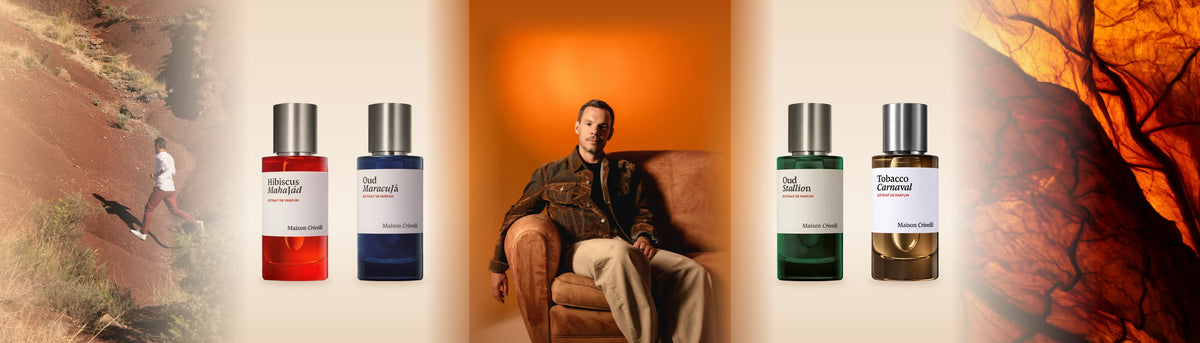
Comparing on the spot is even better: in our boutique in Bregenz, Eau de Parfum and Extrait often stand side by side. Browse our world of perfume beforehand, or get to know a Paris house that masters Eau de Parfum and Extrait alike with Maison Crivelli.
Your 4D OUTFITTERS team, Bregenz
Sources: Wikipedia: Parfum · Wikipedia: Perfume · Wikipedia: Note (perfumery) · Fragrantica: Concentration Rules · Fragrantica: How to Make Fragrance Last Longer · Fragrantica: Extraits de Parfum · Wikipedia: Johann Maria Farina · Farina 1709 · Wikipedia: 4711 · Etymonline: toilet · Chanel: N°5 Eau de Parfum · Escentric Molecules










Leave a comment
This site is protected by hCaptcha and the hCaptcha Privacy Policy and Terms of Service apply.