

Champagne, Caviar, Pretzels: Why Food Hangs on the Christmas Tree
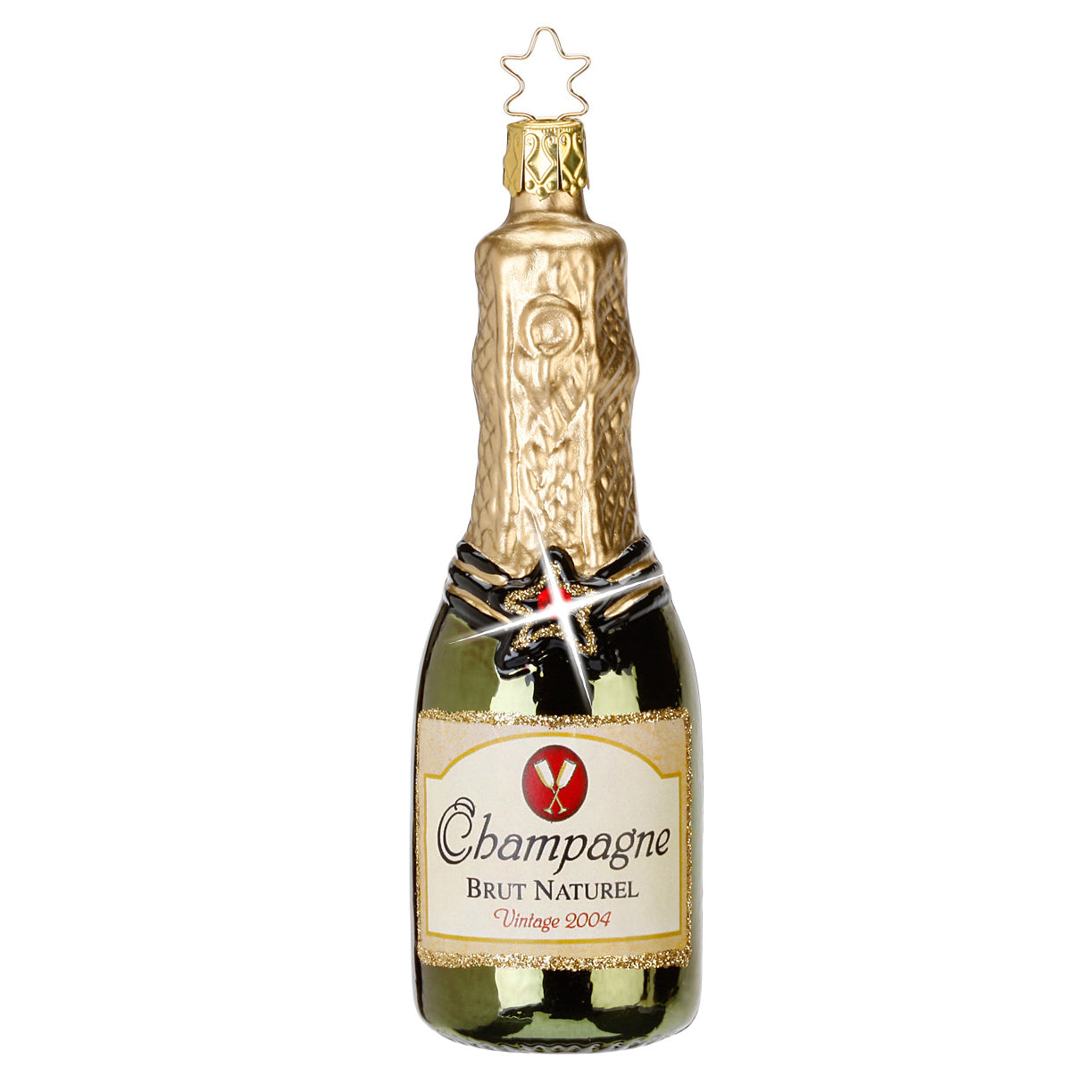
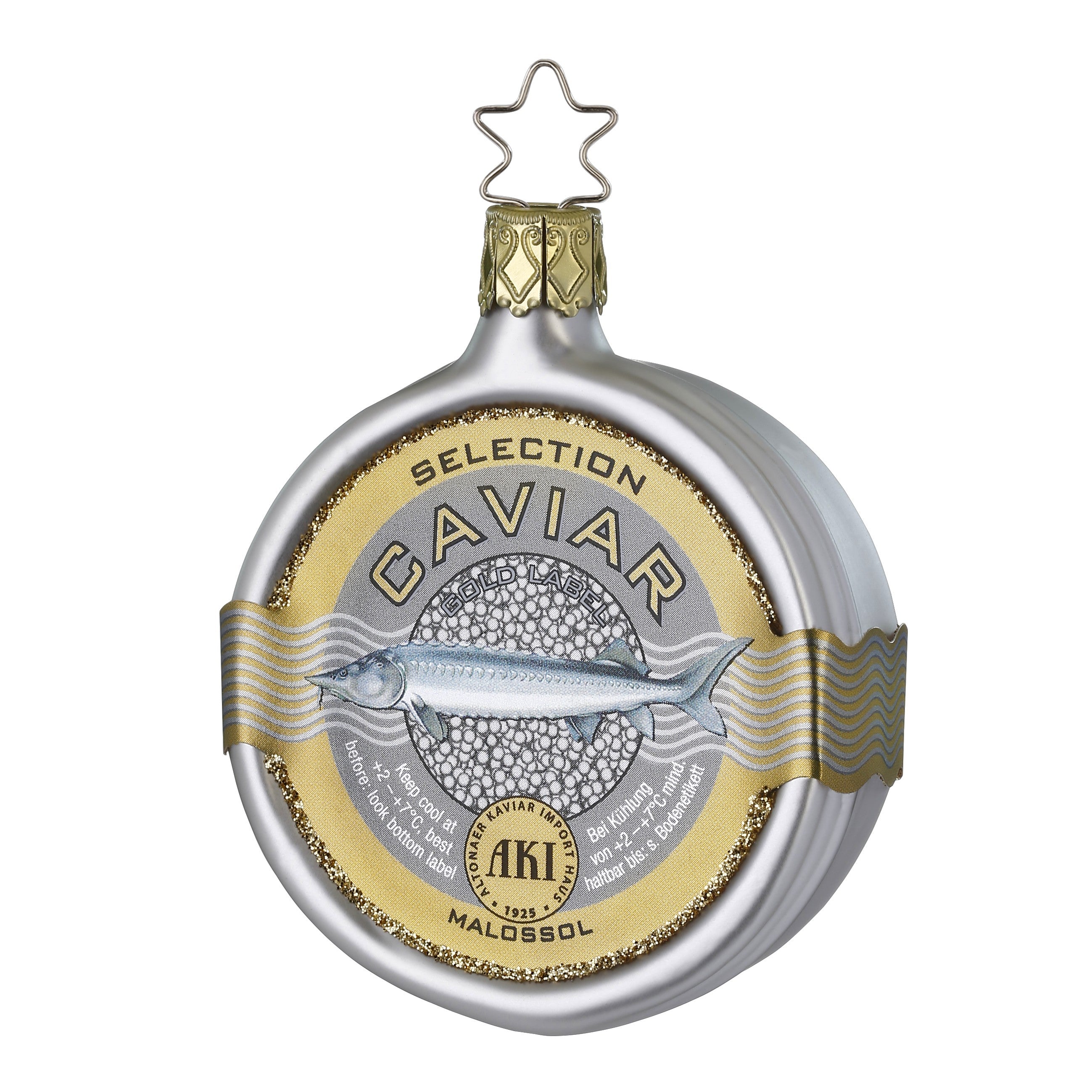
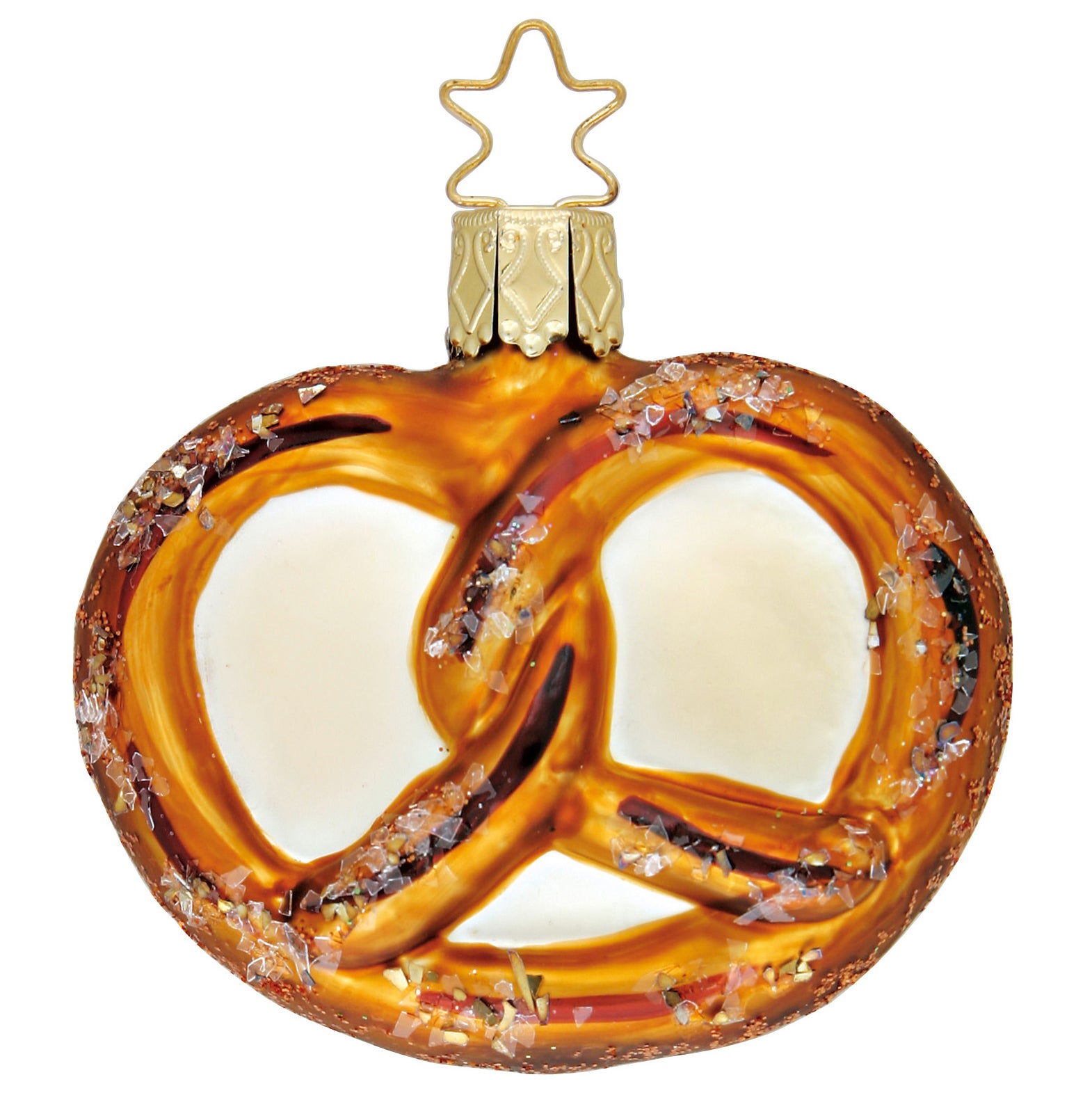
A bottle of champagne, a tin of caviar, a pretzel and a cinnamon star, and all of it hanging on the Christmas tree. Anyone browsing the Inge-Glas selection in our boutique soon gets hungry. But why do so many Christmas ornaments look like a feast? You often hear that it has to do with wartime, when people hung real food on the tree. We investigated. The true story is older, more surprising and rather delicious.
- The origin: The first Christmas trees really were decorated with food: apples, nuts, wafers, gingerbread and sugar work. This is documented as early as 1570 in Bremen and 1605 in Strasbourg.
- The switch to glass: In the 19th century glassblowers in Lauscha began to recreate fruit and nuts in glass. For poor families in the Thuringian Forest, glass was cheaper than real fruit and sugar.
- The war: There is no evidence for the theory that food ornaments date from wartime. In the First World War, glass grenades and Zeppelins were more likely to hang on the tree.
- Today: Champagne, caviar and macarons on the tree are a wink to connoisseurs, the modern continuation of a tradition more than 400 years old.
Why did people hang food on the Christmas tree?
Because the Christmas tree was originally a tree for nibbling. The oldest descriptions read like a shopping list: in 1570 a Bremen guild chronicle reports a small fir tree in the guild house with dates, apples, nuts, pretzels and paper flowers. In 1605 a chronicler in Strasbourg notes that people hang roses of coloured paper, apples, wafers, tinsel gold and sugar in the trees. In Switzerland the decorated tree was therefore affectionately called the “Fressbaum”, the eating tree, hung with gingerbread, Tirggel, speculoos, nuts and apples.
The apple plays a special role. The Christmas tree goes back in part to the paradise tree that stood on stage in medieval paradise plays on 24 December, the feast day of Adam and Eve. The apple recalls the Fall and, in Christian understanding, redemption. Even in E. T. A. Hoffmann's “The Nutcracker and the Mouse King” of 1816, golden and silver apples and sugared almonds hang on the Christmas tree. And when the festive season was over, children were allowed to “plunder” the tree and eat the treats.

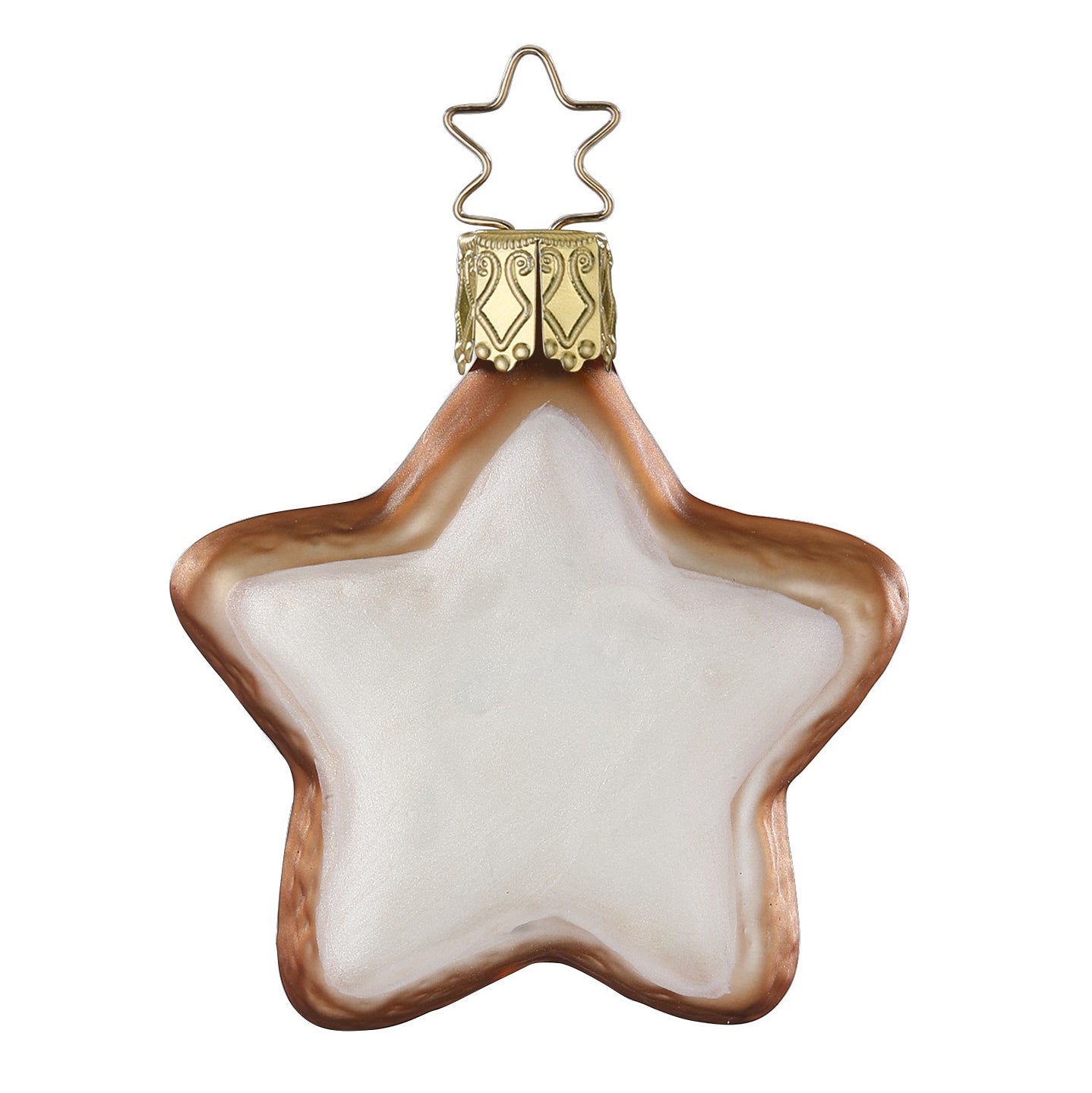
€ 16.50

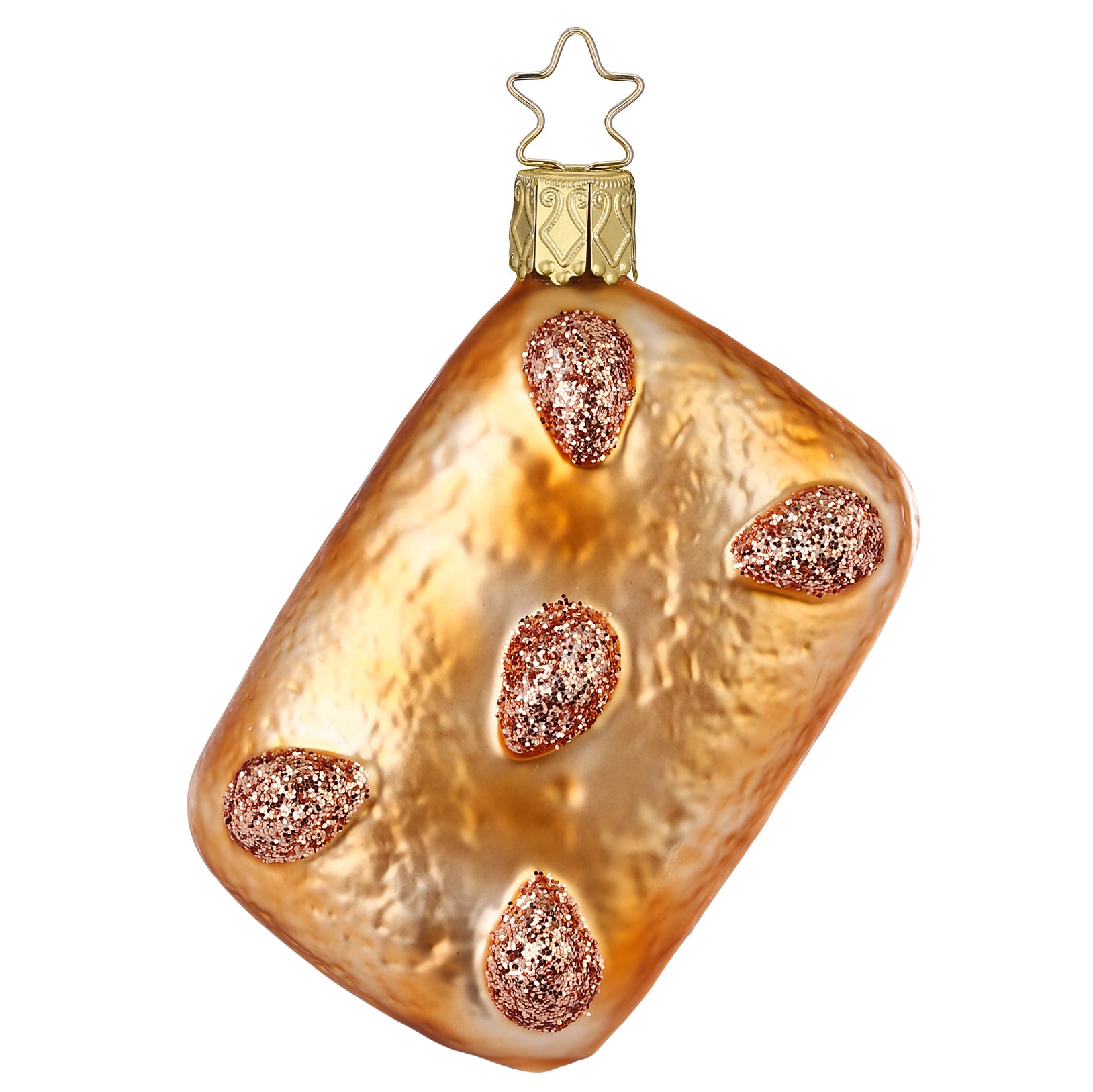
€ 16.50

€ 18.95

€ 14.50
Prices from the 4D OUTFITTERS online shop as of 19 October 2026. The prices shown update automatically from the shop.
How did real food turn into glass Christmas ornaments?
The answer leads to the Thuringian Forest, to Lauscha. Glass has been made there since 1597, and the people were poor. Apples, nuts and above all sugar were a luxury for many glassblowing families, whereas quartz sand was plentiful. What could be more natural than to blow fruit and nuts in glass? A famous legend tells of a poor glassblower who could not afford real walnuts and apples and therefore shaped them in glass. He is often named as Hans Greiner, and the year as 1847. The story cannot be proven, but it is lovely all the same.
What is documented is the first order of Christmas baubles from Lauscha in 1848, for six dozen pieces. From 1867 a gasworks provided the steady flame for mass production, and from around 1870 the baubles were mirrored inside with silver nitrate. Glass apples, glass nuts and glass pears were among the very first motifs. Between 1879 and 1939 around 5,000 different moulds were created in the region. The American department store entrepreneur F. W. Woolworth imported the glass ornaments into the USA from around 1880, and so glass fruit and vegetables travelled the world, among them the famous Christmas pickle.
Do food-shaped Christmas ornaments have anything to do with wartime?
We hear this explanation in the boutique again and again, and we checked it seriously. The result: there is no evidence for it. The food ornaments are much older than the world wars: the glass fruit dates from the middle of the 19th century, and edible tree decorations go back to the 16th century. What actually hung on the tree in wartime was something quite different.
Patriotism on the tree
Glass ornaments shaped like grenades, U-boats, Zeppelins and Iron Crosses. Museums interpret them as a sign of particular patriotism. The Christmas tree became a political symbol.
Tinsel and makeshift
Paper trees were sent to the front, and propaganda portrayed glass decorations as kitsch. After the war some families did not even have a tree. The glassblowers' family workshops only began producing again around two years later.
The true core of the wartime story lies elsewhere: scarcity and poverty really did shape glass ornaments, but not in wartime. It was in the 19th century, in the glassblowing villages of Thuringia. Glass was simply cheaper than fruit and sugar. So if someone tells you the wartime story, you can smile and say: the pickle is older.
Why are there champagne and caviar on the Christmas tree today?
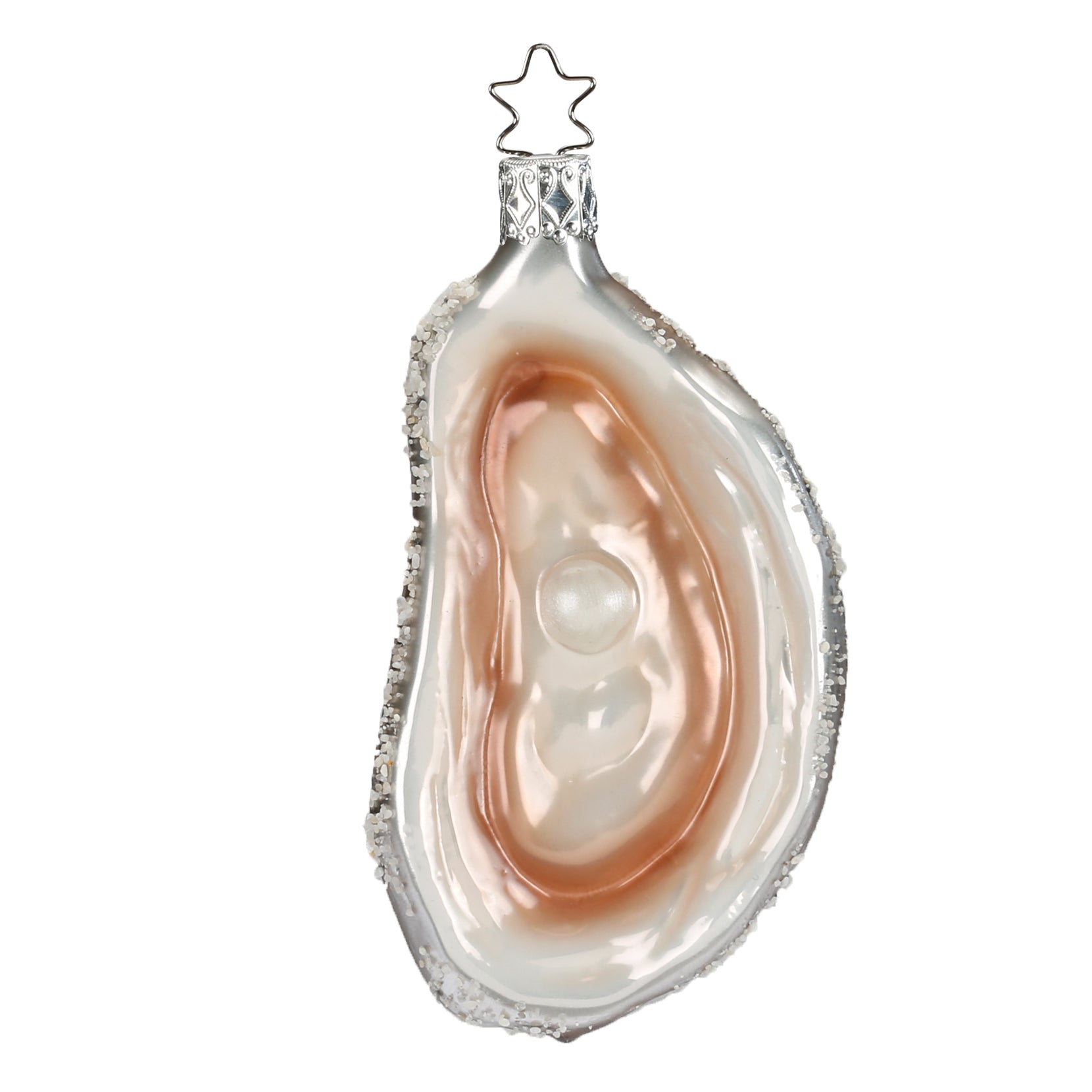
Because Christmas is also a celebration of indulgence, and because glassblowers have a sense of humour. After the apples and nuts came sausages, pretzels, biscuits and cakes over time. Today the repertoire has become a kind of delicatessen on the tree: oysters with pearls, lobster, prosciutto, sushi, macarons and, of course, champagne. The German cooking magazine lecker.de calls such baubles a real foodie trend and counts Inge-Glas among the makers.

€ 25.95

€ 19.95

€ 16.95

€ 12.95
What do food ornaments mean?
Some motifs carry a long symbolism, others are simply joie de vivre. A short overview of what is handed down and what is more folk interpretation:
| Motif | Meaning | At our shop |
|---|---|---|
| Apple | Paradise and the Fall, in the Christian sense also redemption. Well documented through the paradise plays. | Apple half, Pomegranate |
| Nut | In folk interpretation a symbol of God's hidden plan. Above all, one of the oldest tree decorations. | Acorn with glitter cap |
| Biscuits | A reminder of the “sugar tree”: gingerbread, springerle and sugar work hung on the tree for centuries. | Vanilla crescent, Jam biscuit, Stollen |
| Pretzel | Already on the Bremen list of tree decorations in 1570. | Pretzel, Mini pretzel |
| Pickle | A treasure hunt with an extra present, origin disputed. | All pickles at a glance |
| Champagne & caviar | No ancient symbolism, just pure joie de vivre: a wink for connoisseurs. | Champagne rosé, Caviar Black Label |
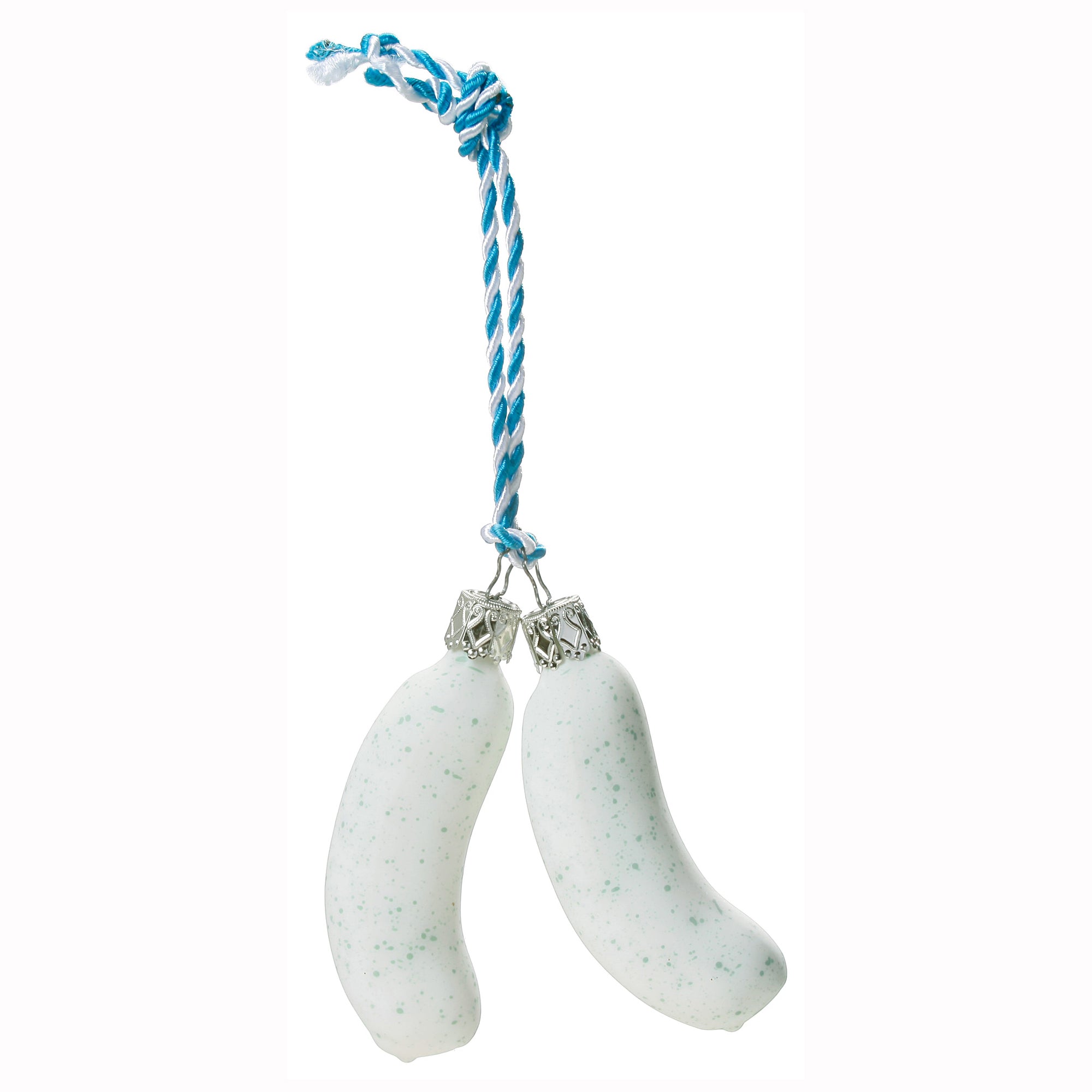
| Weisswurst & mustard | A regional love of the Bavarian veal-sausage breakfast, with humour. | Weisswurst pair, Sweet mustard |
Curiosities from the edible Christmas tree
To share at the Christmas dinner
- The sugar tree
Because apples, nuts, biscuits and confectionery were the main decorations before the 19th century, the tree was also called the “sugar tree”.
- Plundering allowed
After the holidays, children were allowed to “plunder” the tree and nibble the edible decorations.
- Tinsel at war
Strips of foil like the tinsel we know were dropped from aircraft in the Second World War to jam radar. The Royal Air Force alone used more than 40 tonnes in 1943.
- 5,000 moulds
Between 1879 and 1939 around 5,000 different moulds for Christmas ornaments were created in Thuringia.
- Goethe and the sugar tree
Goethe's “Werther” of 1774 already describes a tree with candles, sweets and apples.
Frequently asked questions about food-shaped Christmas ornaments
Why do people hang food on the Christmas tree?
The first Christmas trees in the 16th and 17th centuries were decorated with real apples, nuts, wafers, biscuits and sugar. Glass ornaments in the shape of food continue this tradition.
Do food ornaments come from wartime?
No, there is no evidence for that. Glass fruit and nuts have existed since the middle of the 19th century, and edible tree decorations are much older still.
Why were apples and nuts made of glass?
For poor glassblowing families in Lauscha, real fruit and sugar were expensive, while quartz sand for glass was cheap. That is how the glass replicas came about.
What does the apple on the Christmas tree mean?
It recalls the paradise tree from the medieval paradise plays and thus Adam and Eve, and in Christian understanding also redemption.
Which food ornaments are available at 4D OUTFITTERS?
Among others, champagne bottles, caviar tins, oysters, pretzels, Weisswurst, gingerbread, cinnamon stars, vanilla crescents, macarons and Christmas pickles by Inge-Glas.
Marvel first, then decorate
A Christmas tree full of glass delicacies is more than a gag: it tells the more than 400-year-old story of the Christmas tree as a tree for nibbling. You can find the whole selection in our Inge-Glas collection, but it is loveliest in the light of our boutique in Bregenz. Shipping is free from € 200. How the manufactory behind all these pieces came about is told in Inge-Glas: 15 Generations of Glassblowers.
Your 4D OUTFITTERS team, Bregenz
Sources: Wikipedia – Weihnachtsbaum · Wikipedia – Christbaumschmuck · waldwissen.net · SRF · University of Bonn · evangelisch.de · Historisches Museum der Pfalz · Tagesspiegel · lecker.de



Leave a comment
This site is protected by hCaptcha and the hCaptcha Privacy Policy and Terms of Service apply.