

Cinnamon in Perfume: From the Pharaoh's Tomb to the Bottle
You know cinnamon from the Christmas market, from apple strudel and from your cappuccino. But in perfume? There, cinnamon is a bit of a diva: it makes a scent warm, glowing and seductive in an instant, yet it may only be used in tiny amounts, because its main molecule can irritate the skin. The ancient Egyptians already used it, Greek storytellers invented giant birds to hide where it came from, and today it is found in bestsellers from Xerjoff to Parfums de Marly. What is cinnamon in perfume, how is it obtained, and how can you recognise it?
- What: Cinnamon is the dried inner bark of trees of the genus Cinnamomum. For perfumes, essential oil is distilled mainly from the bark or the leaves.
- How it smells: sweet, warm, spicy, slightly powdery. The bark oil owes its character to the molecule cinnamaldehyde.
- Why so little: Cinnamaldehyde can cause skin reactions in sensitive people. The fragrance industry limits it to 0.25 percent in fine fragrance.
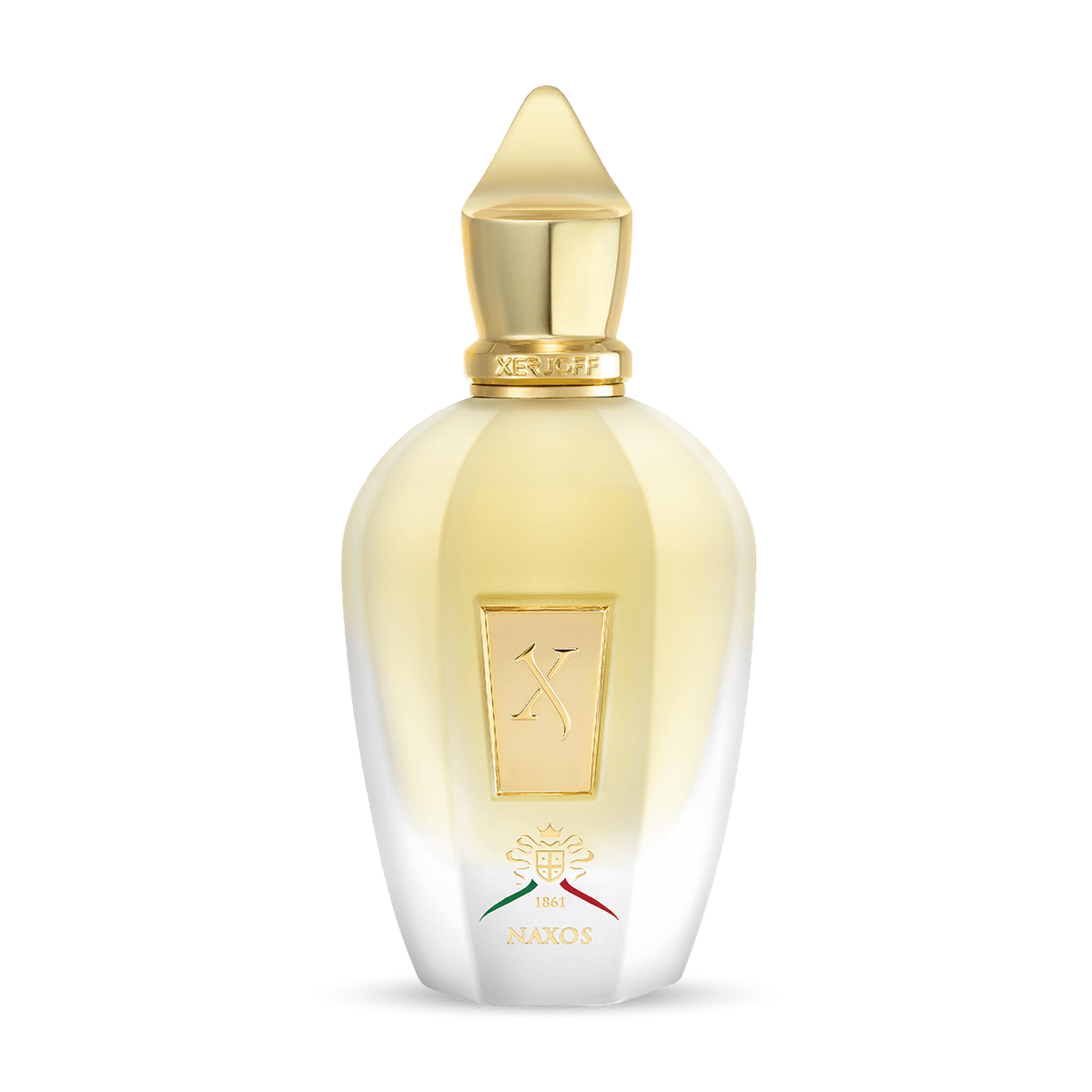
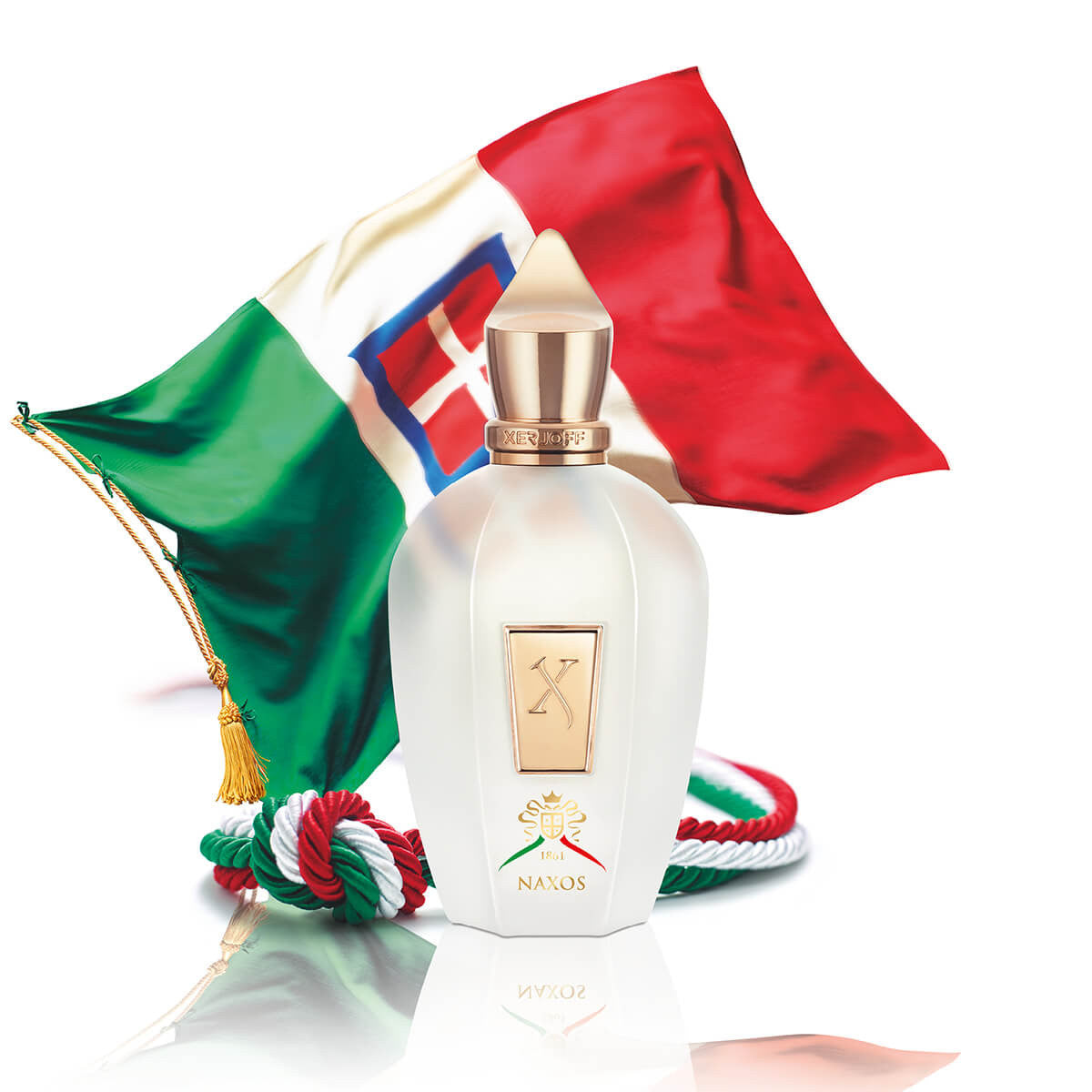
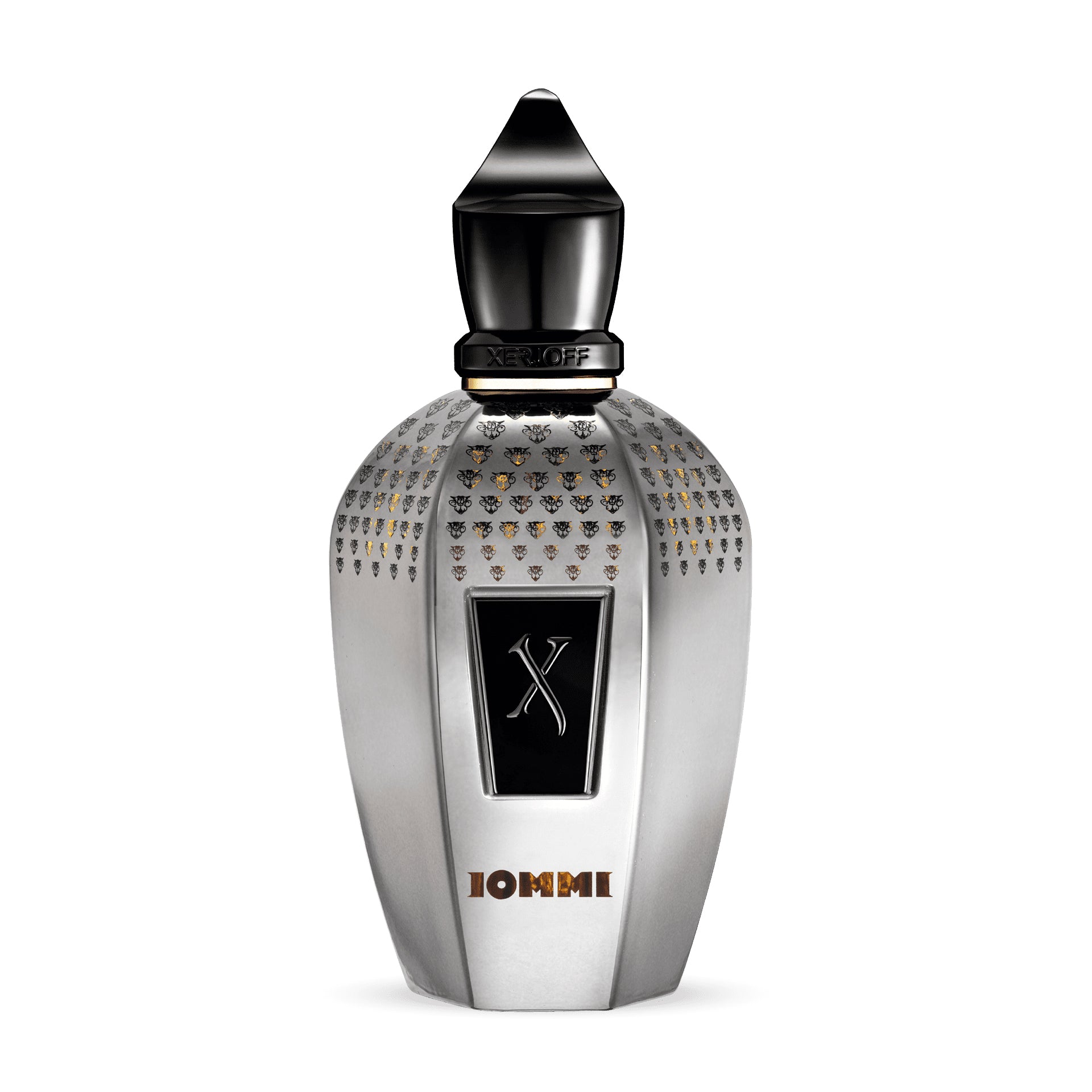
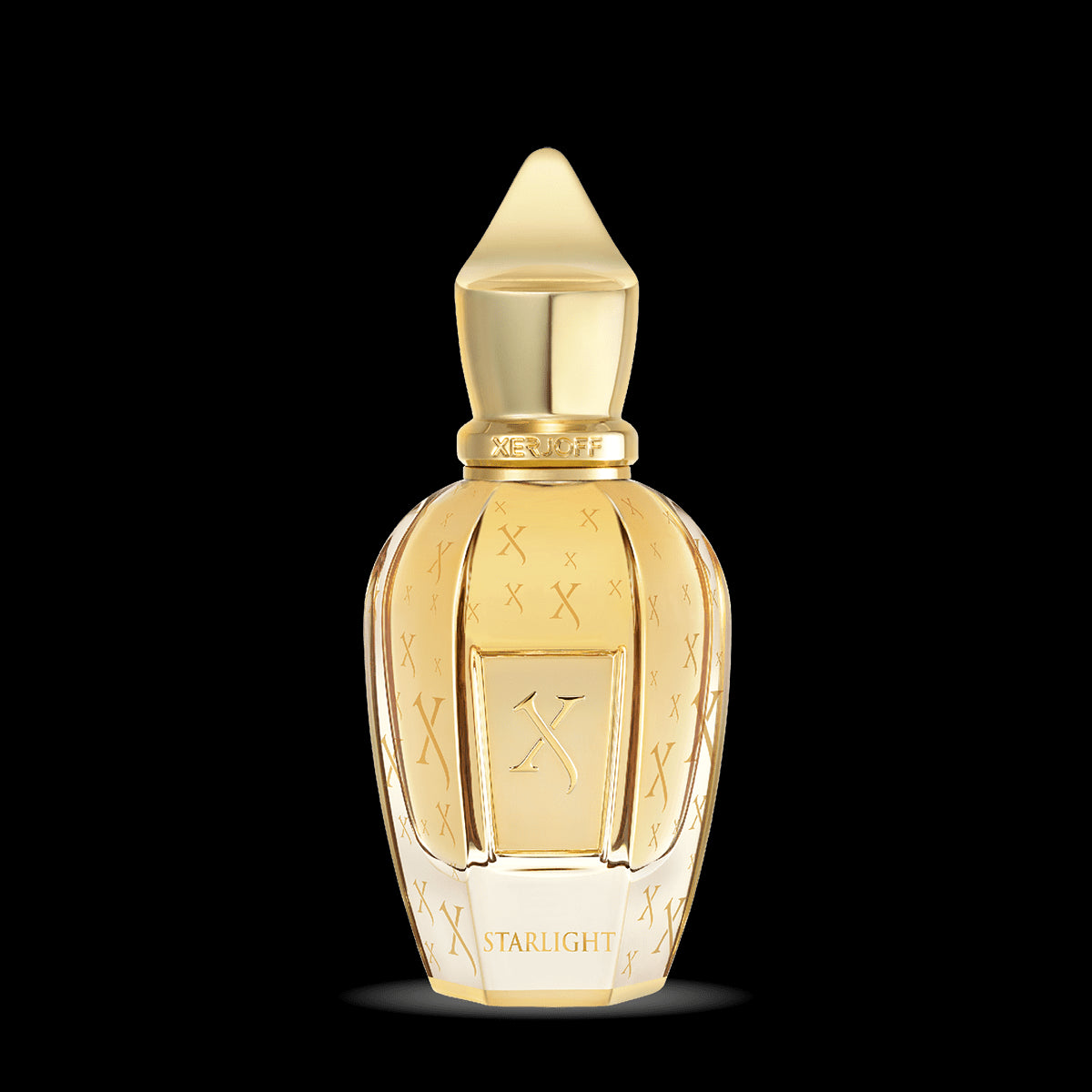
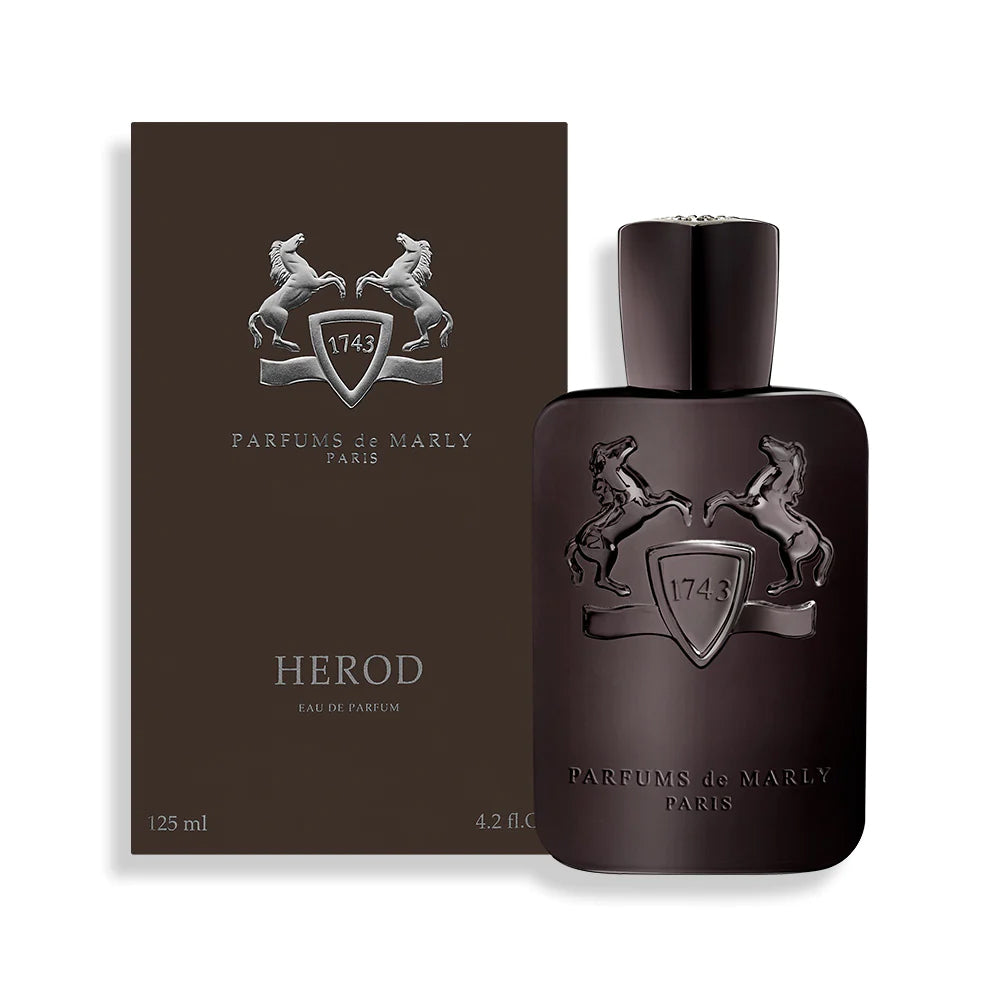
- Where at our shop: for example in Naxos, Tony Iommi Monkey Special and Starlight by Xerjoff or Herod by Parfums de Marly.
What actually is cinnamon?
Cinnamon is bark, more precisely the thin inner bark of young shoots. Botanically there are two large groups. Cinnamomum verum, also called Ceylon cinnamon, is considered “true cinnamon”. It originally comes from Sri Lanka, which still supplies 80 to 90 percent of the world's production of this species. Most of the cinnamon on the market, however, is cassia: Chinese cinnamon (C. cassia), Indonesian (C. burmanni) and Saigon cinnamon from Vietnam (C. loureiroi). In terms of volume, China leads, followed by Vietnam, Indonesia and Sri Lanka.
Ceylon cinnamon
Cinnamomum verum from Sri Lanka. Thin, multi-layered quills, finer and less sharp. Contains hardly any coumarin.
Cassia
Chinese, Indonesian or Vietnamese cinnamon. Thick bark, strong and sharp taste. Contains considerably more coumarin.
How is cinnamon harvested?
The harvest is handwork, and one of the most demanding in the world of spices. In Sri Lanka the trees are harvested for the first time at around three years of age and then yield bark for 40 to 50 years. The shoots are cut, the outer bark is scraped off, the stem is rubbed, and then the inner bark, only about half a millimetre thick, is peeled off in long strips. As they dry, the strips curl up by themselves into the familiar sticks.
The people who can do this are called peelers, and they are scarce. According to the Sri Lankan business newspaper Daily FT, around 30,000 peelers worked in the industry in 2017, while about 50,000 were needed. The skill is often passed from father to son, and an academy now trains new specialists. Since 2022, “Ceylon Cinnamon” has been registered in the EU as a protected geographical indication, Sri Lanka's first. This protects origin and craftsmanship and gives producers proof of quality.
How does cinnamon get into perfume?
For perfumery, cinnamon is usually steam-distilled, from two parts of the plant with very different results:
- Cinnamon bark oil is the classic, sweet and warm cinnamon aroma. According to IFRA it typically contains around 75 percent cinnamaldehyde, although analyses vary by origin. The yield is tiny: one Brazilian study found about 0.2 percent oil from the bark.
- Cinnamon leaf oil, by contrast, consists mostly of eugenol, the same molecule that gives cloves their scent. In the same study the eugenol content was around 95 percent, with a yield of about 2 percent.
- Cassia oil contains around 80 percent cinnamaldehyde according to IFRA, which brings it even closer to the pure cinnamon note.
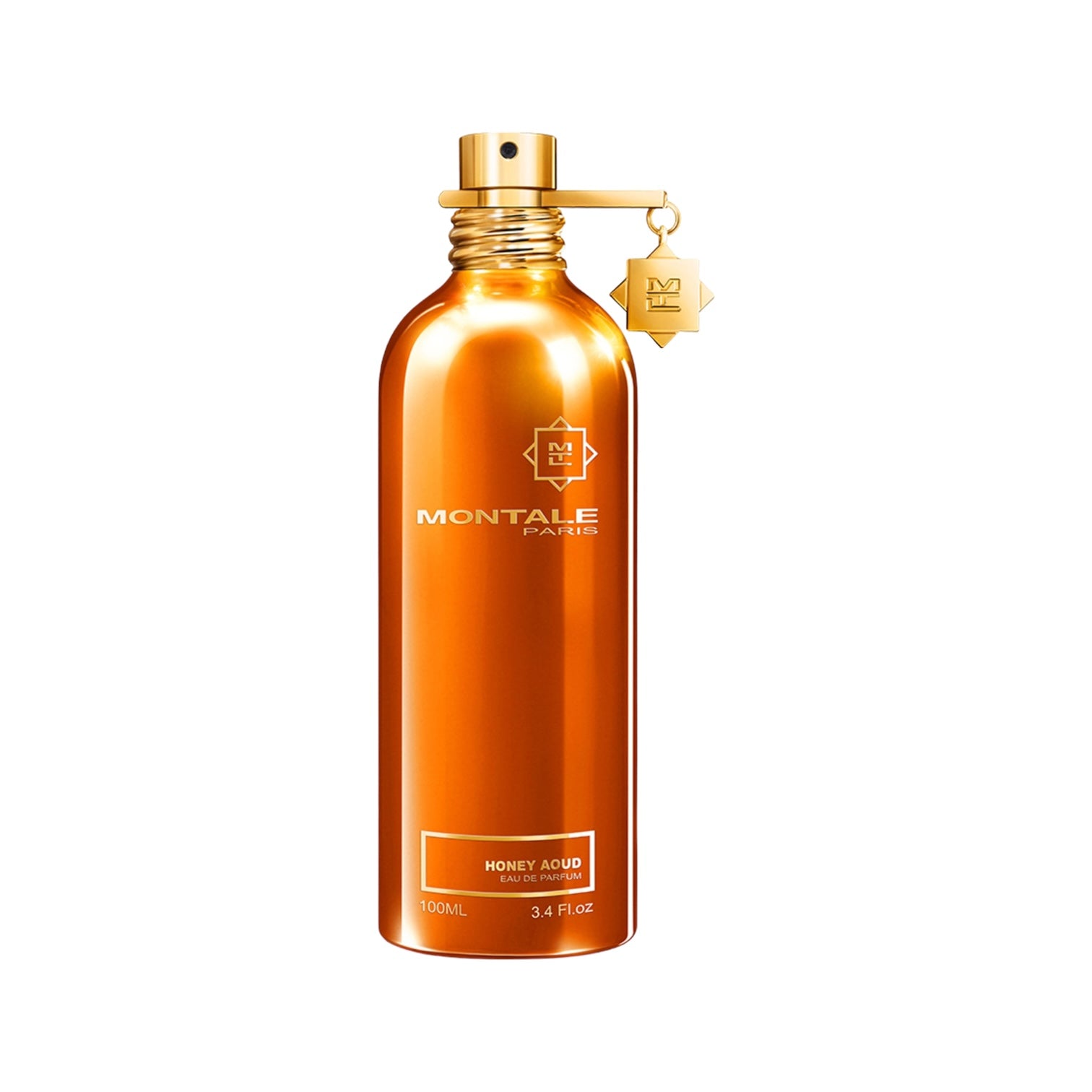
Many perfumers also work with individual molecules or build a cinnamon accord from several components. So when a fragrance pyramid says “cinnamon”, it can mean bark oil, an accord or a blend. Some brands even name the origin: in Honey Aoud by Montale it is cinnamon from Ceylon, in Cuir Infrarouge by Maison Crivelli it is Laotian cinnamon.
Which molecule creates the scent of cinnamon?
The star is called cinnamaldehyde, or “Cinnamal” in cosmetics. In 1834 the French chemists Jean-Baptiste Dumas and Eugène-Melchior Péligot isolated it from cinnamon oil, and a few years later the Italian Luigi Chiozza achieved the first synthesis. In the plant it is formed from the amino acid phenylalanine. Its smell: sweet, spicy, a little balsamic, and for many people simply “cinnamon roll”. The American database The Good Scents Company compares it to the fiery cinnamon candies called Red Hots.
Cinnamaldehyde, cinnamyl alcohol, eugenol and coumarin are all on the EU list of fragrance substances that must be named on the packaging above certain amounts. So if you read “Cinnamal” on a box, you now know where it comes from.
Why is so little cinnamon allowed in perfume?
Because cinnamaldehyde can sensitise the skin. The International Fragrance Association (IFRA), whose standards the fragrance industry follows worldwide, has therefore restricted cinnamal: in fine fragrance a maximum of 0.25 percent is allowed in the finished product, in deodorants only 0.014 percent. A bark oil with 64 percent cinnamaldehyde may therefore be used at just under 0.4 percent in an eau de parfum. In perfume, cinnamon is always the seasoning, never the main course.
In the EU, cinnamal and its relatives must be listed on the packaging as soon as they exceed 0.001 percent in a leave-on product. Since the end of July 2026, an extended list of more than 80 fragrance substances requiring declaration has also applied to cosmetics newly placed on the market. And coumarin, found mainly in cassia, is monitored by the German Federal Institute for Risk Assessment because of possible strain on the liver in sensitive people. That is why many keen bakers prefer Ceylon cinnamon.
How do I recognise cinnamon in a perfume?
In most compositions cinnamon sits in the heart, often next to clove, cardamom or rose, and only reaches its full effect over a warm base of amber, vanilla, resins or woods. In the first 15 to 30 minutes after spraying, look out for three signals:
- A sweet tingle that recalls cinnamon stars or mulled wine but does not smell of sugar.
- Warmth without heaviness: cinnamon makes a scent glow before the base darkens it.
- A touch of powder in the transition to the base, especially together with vanilla or tonka bean.
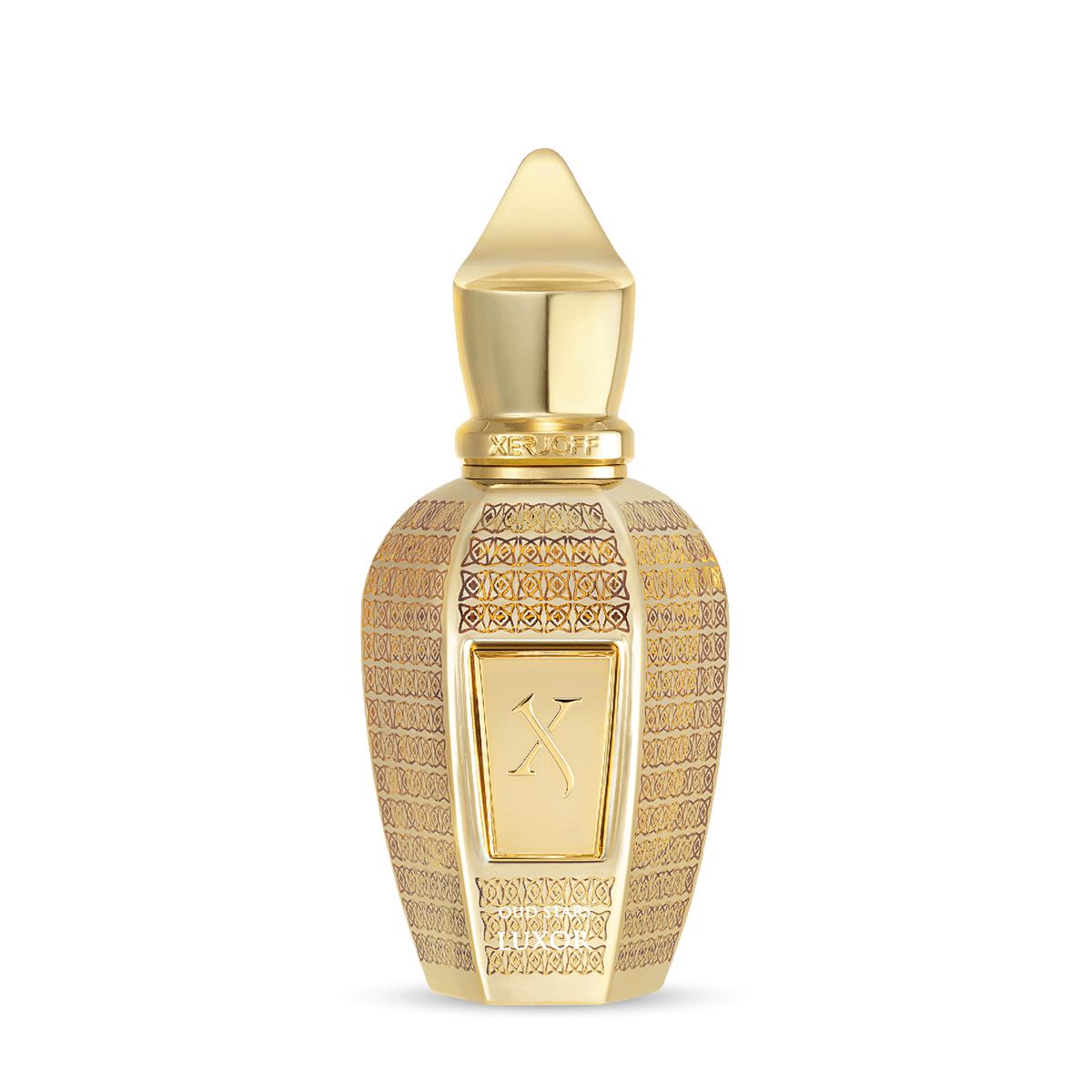
Cinnamon loves company. With honey it becomes cosy, as in Naxos; with rum and leather rebellious, as in Tony Iommi Monkey Special; with cardamom and almond creamy, as in Starlight; with incense and oud ceremonial, as in Luxor. Read more about these warm Xerjoff scents in The best warm scents by Xerjoff.


Which perfumes with cinnamon are available at 4D OUTFITTERS?
A selection from our range in which cinnamon plays a part according to the brand's notes:
| Scent | Cinnamon meets … | Mood |
|---|---|---|
| Naxos, Xerjoff | Honey, tobacco leaf, vanilla | Cosy and sweet |
| Tony Iommi Monkey Special, Xerjoff | Rum, leather, caramel | Boozy and rock 'n' roll |
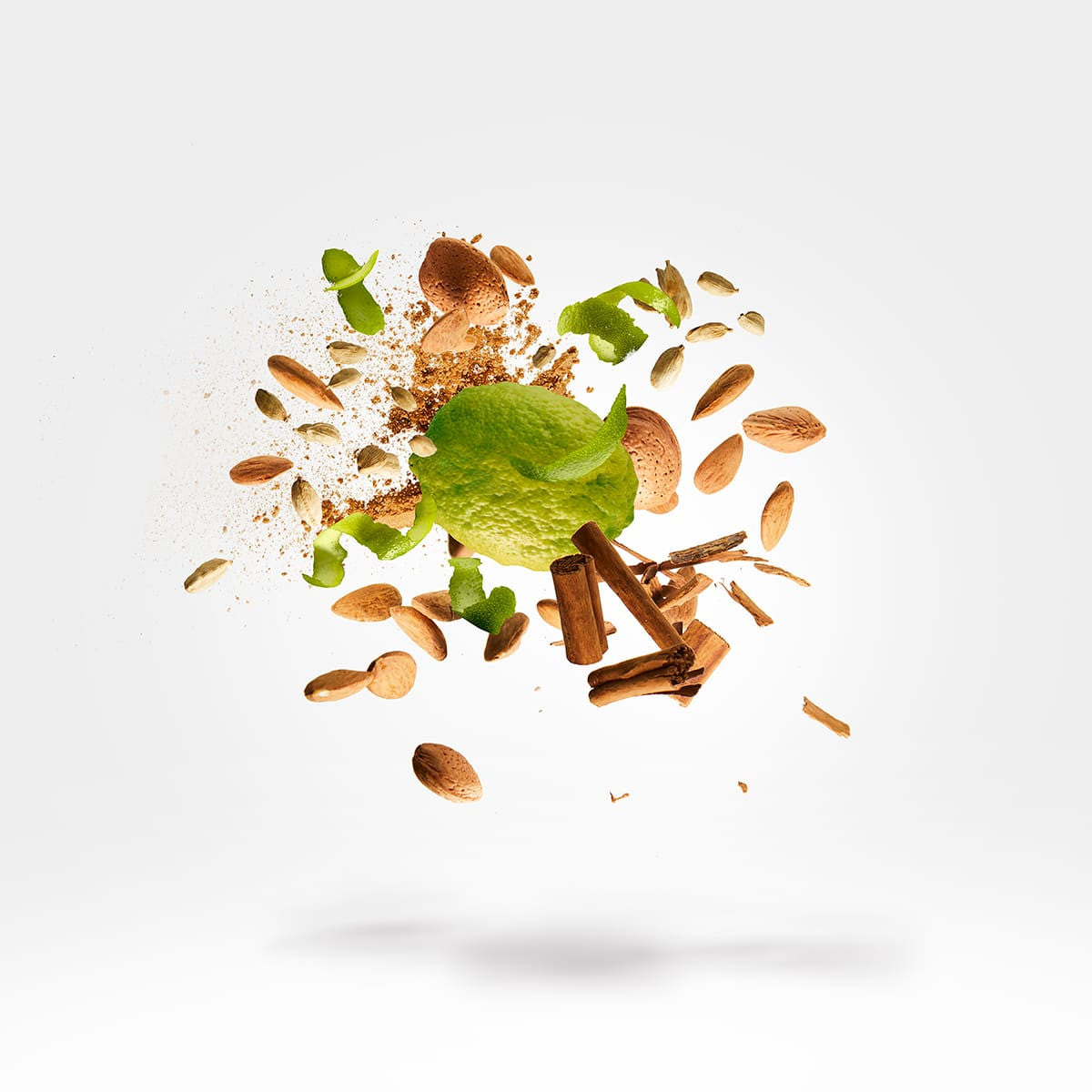
| Starlight, Xerjoff | Cardamom, almond, clove | Creamy and spicy |
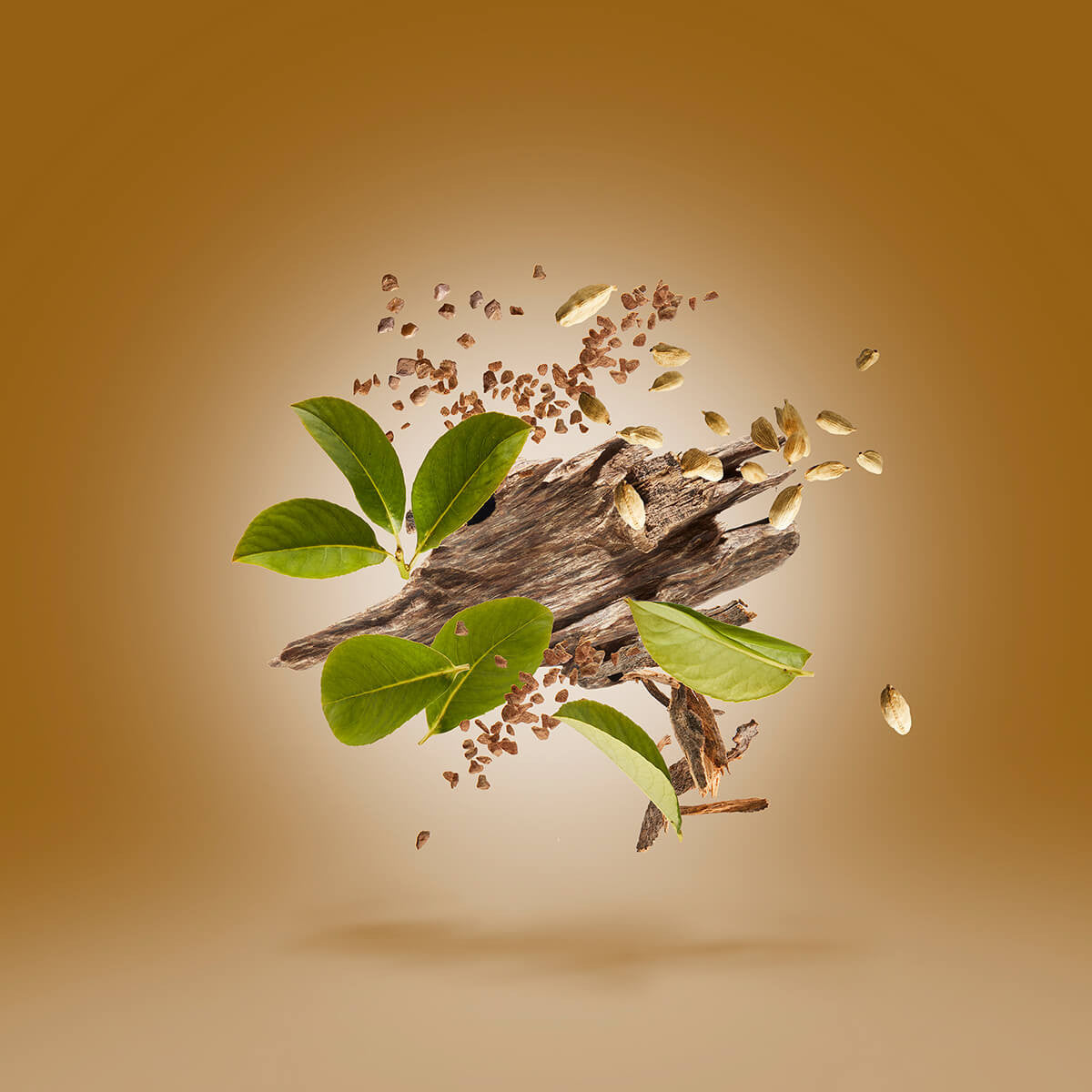
| Luxor, Xerjoff | Incense, myrrh, oud | Ceremonial and dark |
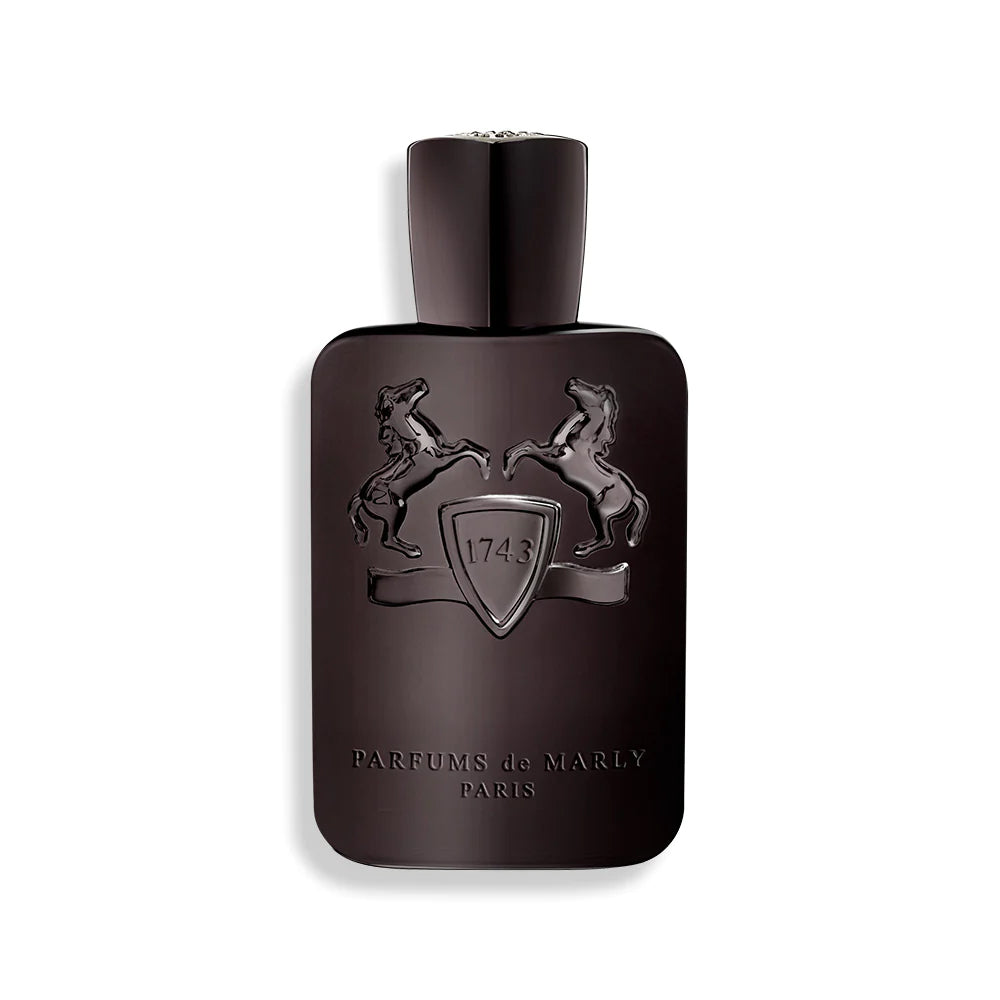
| Herod, Parfums de Marly | Pepper, tobacco, vanilla | Smoky and warm |
| Layton Exclusif, Parfums de Marly | Apple, lavender, oud | Woody and elegant |
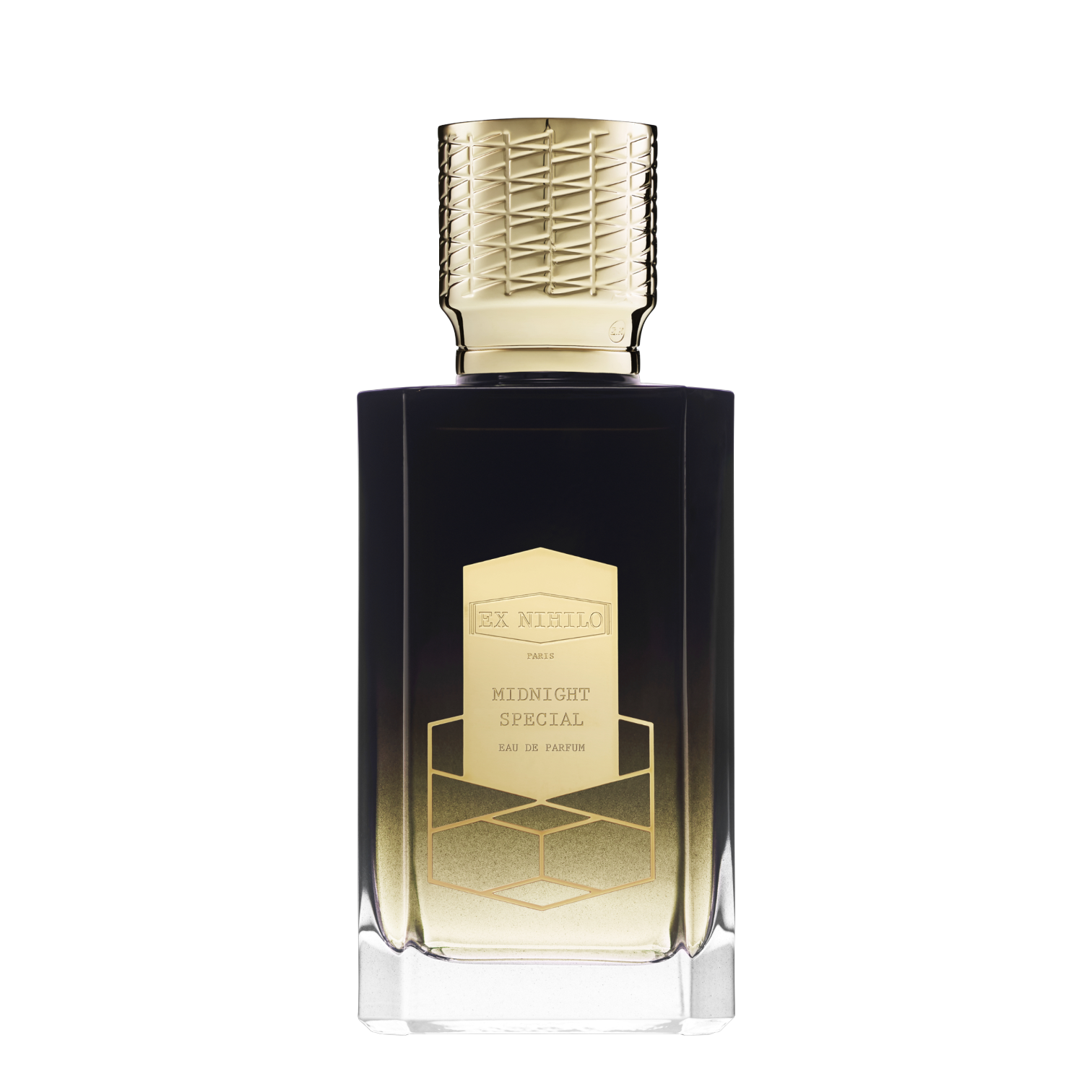
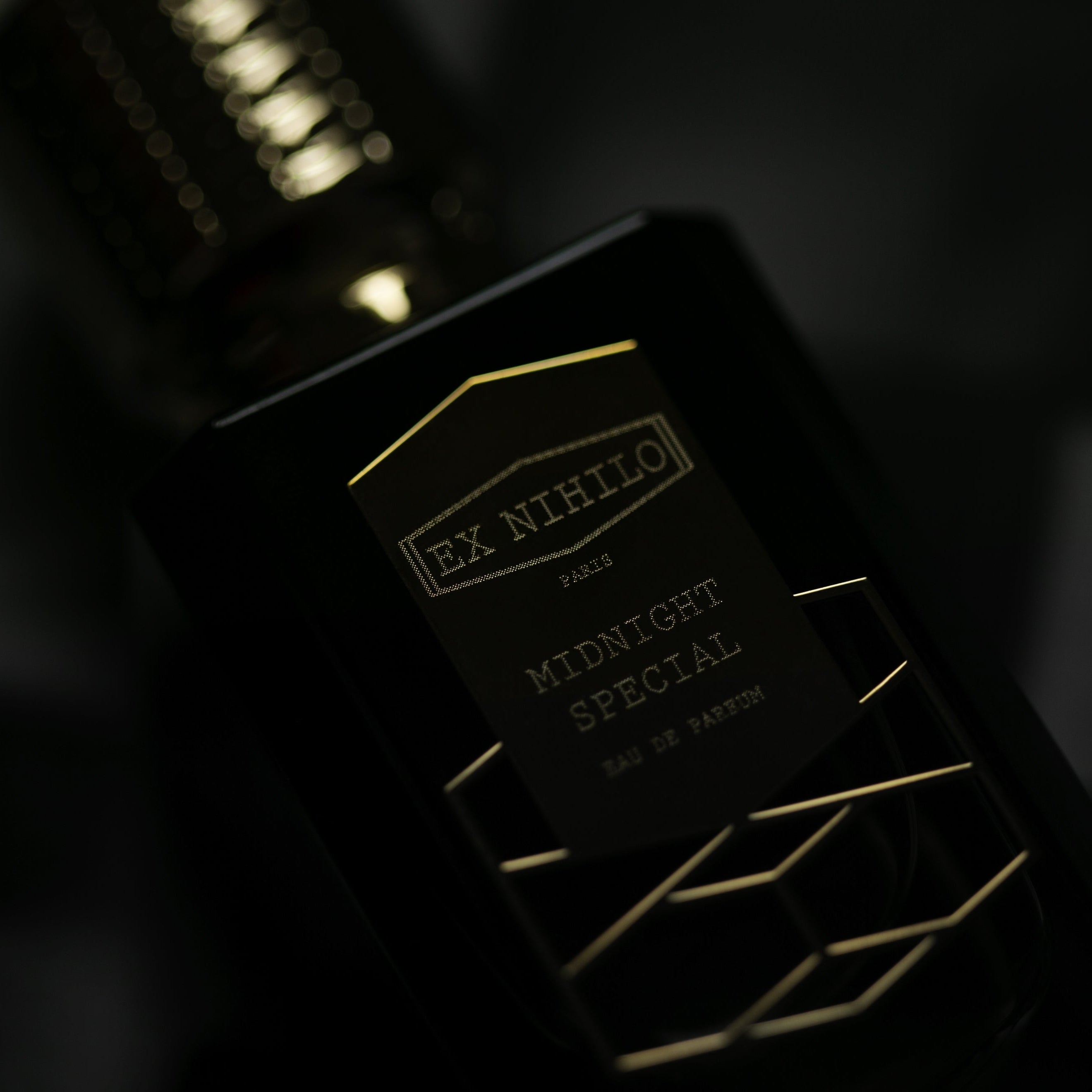
| Midnight Special, Ex Nihilo | Saffron, rose, agarwood accord | Opulent, for the evening |
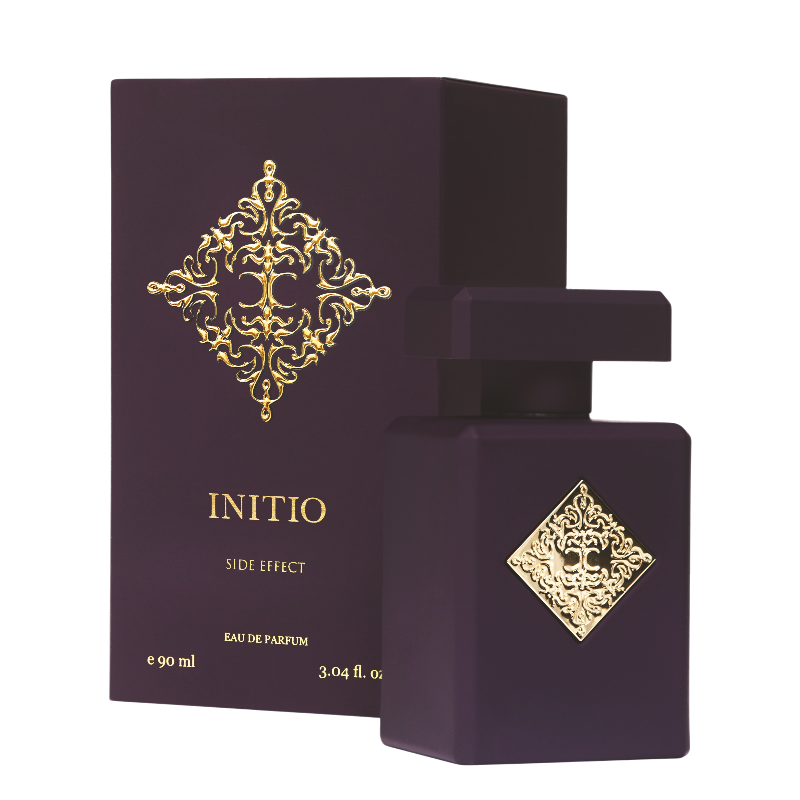
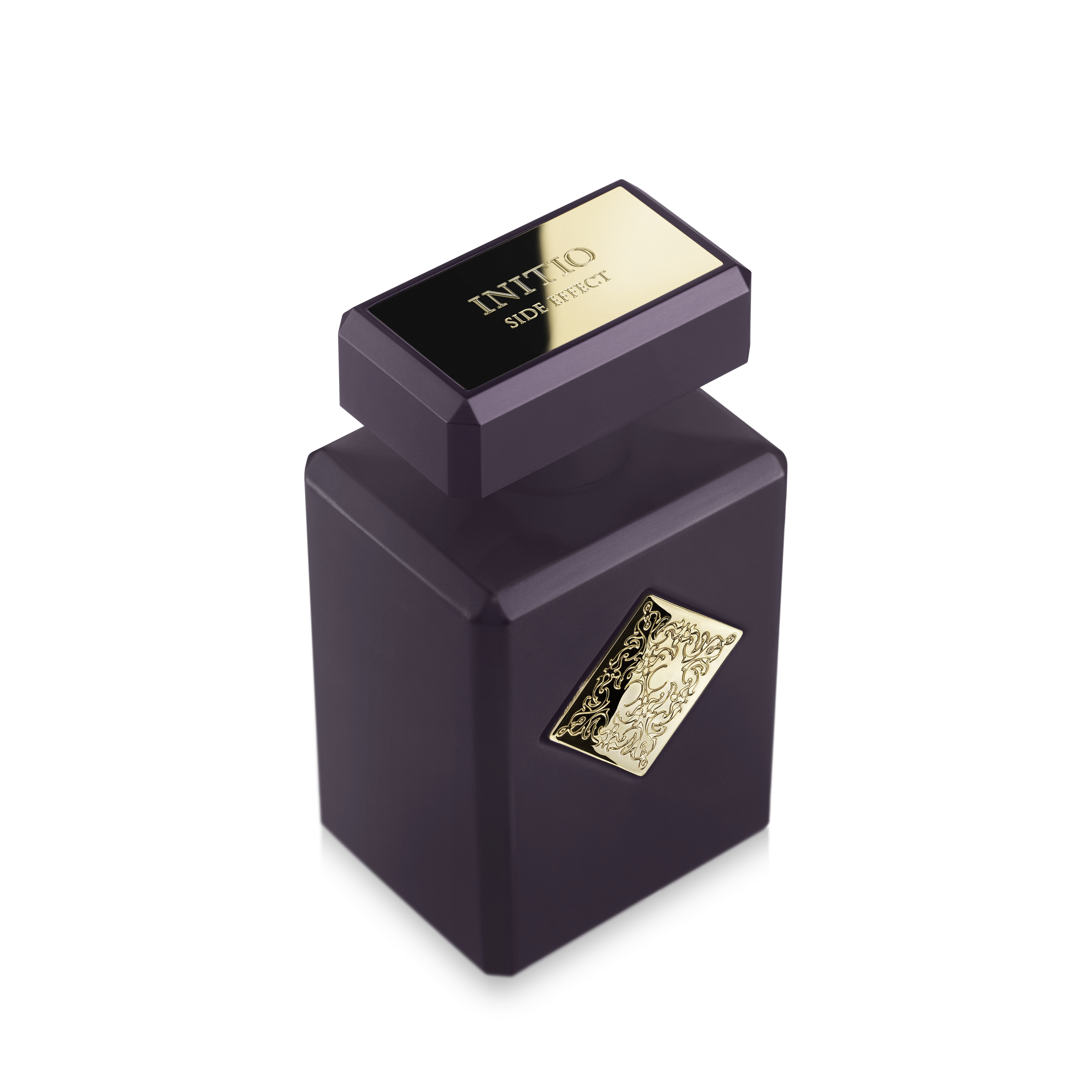
| Side Effect, Initio | Tobacco, rum, vanilla | Boozy and sensual |
| Amber Aoud, Roja Parfums | Rose, saffron, benzoin, fig | Sweet, salty and woody |
| Honey Aoud, Montale | Honey, oud, leather | Intense and oriental |
| Cuir Infrarouge, Maison Crivelli | Raspberry, leather, cedar | Electrifying |
| Vanille Supermassive, Les Eaux Primordiales | Labdanum, vanilla, caramel | Resinous and deep |
Curiosities about cinnamon
Of pharaohs, fabled birds and emperors
- Cinnamon in the pharaoh's tomb
Egypt was importing cinnamon as early as around 2000 BC and used it in embalming. The famous incense kyphi also contained cinnamon and cassia.
- The cinnamon bird
Herodotus tells of giant birds carrying cinnamon sticks to clay nests on steep cliffs. Traders laid out large pieces of meat, the birds carried them up, the nests broke and the cinnamon fell down. Pliny already suspected that such stories were only meant to drive up prices.
- A pound for four years of work
According to Pliny, a Roman pound of cinnamon cost up to 1,500 denarii, by modern estimates around 50 months' wages.
- Cinnamon in the holy anointing oil
In the Book of Exodus, the holy anointing oil consists of myrrh, “sweet cinnamon”, calamus, cassia and olive oil.
- Perfume classics with cinnamon
Youth Dew by Estée Lauder (1953) and Opium by Yves Saint Laurent (1977) both carry cinnamon in the heart. Both shaped the spicy oriental scents of entire generations.
- Cinnamaldehyde (Cinnamal, CAS 104-55-2) is the key molecule of the bark oil.
- Eugenol dominates the leaf oil and smells clove-like.
- IFRA limit: 0.25 percent cinnamal in the finished fine fragrance.
- Coumarin: cassia contains around 3,000 mg per kilogram on average, Ceylon cinnamon only traces.
- Protected origin: “Ceylon Cinnamon” has been a protected geographical indication in the EU since February 2022.
Frequently asked questions about cinnamon in perfume
What does cinnamon smell like in perfume?
Sweet, warm and spicy, with a slightly powdery, balsamic facet. It recalls cinnamon pastries but feels more elegant and less sugary in perfume.
Is cinnamon in perfume natural?
Often, yes: cinnamon bark oil and cinnamon leaf oil are obtained from the plant by steam distillation. Many perfumers add individual molecules such as cinnamaldehyde or eugenol or build a cinnamon accord.
What is the difference between Ceylon cinnamon and cassia?
Ceylon cinnamon comes from Cinnamomum verum from Sri Lanka and is finer. Cassia comes from other Cinnamomum species, mainly from China, Vietnam and Indonesia, smells stronger and contains more coumarin.
Why does Cinnamal appear on my perfume packaging?
Cinnamal is the cosmetic name for cinnamaldehyde. In the EU it must be declared as a potential allergen if it exceeds 0.001 percent in a leave-on product.
Which perfumes with cinnamon suit winter?
For example Naxos and Tony Iommi Monkey Special by Xerjoff, Herod by Parfums de Marly or Midnight Special by Ex Nihilo. All of them combine cinnamon with a warm base of vanilla, tobacco, resins or woods.
Can I test cinnamon scents before buying?
Yes. With every perfume order at 4D OUTFITTERS you receive a sample of the scent you ordered, and via the order note you can choose up to four more free samples. Or you can test them in our boutique in Bregenz.
Smell first, then fall in love
Cinnamon is a spice of nuances: in one scent it glows like a fireplace, in the next it sparkles like a cocktail. The best way to find your favourite is a direct comparison. With every perfume order we include a sample of the scent you ordered, and via the order note in the cart you can request up to four more free samples, for example Naxos, Starlight, Herod and Side Effect for your own cinnamon tasting. Shipping is free from € 200.
Or come to our boutique in Bregenz and smell your way through the warm scents. If you would like to get to know the house behind Naxos and Starlight, read our portrait of Xerjoff. And if you fancy even more spice and sweetness: our selection Gourmand perfume: 7 scents good enough to eat.
Your 4D OUTFITTERS team, Bregenz
Sources: Wikipedia – Zimt · Wikipedia – Cinnamomum verum · Wikipedia – Cinnamaldehyde · Daily FT · Sri Lanka Export Development Board · SciELO study · IFRA Standards · BfR – Coumarin · The Good Scents Company · Wikipedia – Cinnamon bird · Fragrantica – Cinnamon



Leave a comment
This site is protected by hCaptcha and the hCaptcha Privacy Policy and Terms of Service apply.