
Ingredient Lexicon
Bergamot in Perfume: The Green Citrus Fruit from Calabria


At a glance
Bergamot in perfume explained: where the green citrus fruit from Calabria comes from, how its oil is obtained, why it smells of Earl Grey and lavender and which Widian fragrances contain it.
If you have ever had a cup of Earl Grey, you already know bergamot. And if you wear perfume, chances are you have it on your skin right now. The green citrus fruit from Calabria is part of classics like the first Eau de Cologne, of modern niche fragrances and of several Widian scents we show you below. Time to get to know it properly.
Bergamot is something like every perfumer's best friend. It smells fresh but not sharp, citrusy but with a floral, almost tea-like side. It makes an opening bright and connects it with what comes next. And it has a history involving snuffboxes, a great deal of adulterated goods and a skin reaction with a surprisingly pretty name.
In short
- What: Bergamot (Citrus bergamia) is a citrus fruit, probably a hybrid of lemon and bitter orange.
- Where: Around 80 percent of world production grows in the province of Reggio Calabria in southern Italy.
- How: The oil is cold-pressed from the peel. 100 fruits yield about 85 grams.
- Scent: fresh, slightly bitter, floral. The reason is linalyl acetate and linalool, which also shape lavender.
- In our shop: for example in New York, Ginger and Granada by Widian, all in the Widian collection.
What exactly is bergamot?
A citrus fruit you smell rather than eat. Its botanical name is Citrus bergamia, and the English Wikipedia describes it as a probable hybrid of lemon and bitter orange. Its origin is not fully settled, and botanists disagree, too: some list it as a species of its own, others as a subspecies of the bitter orange.
The family connection still matters. The bitter orange also gives perfumery neroli from its blossoms and petitgrain from its leaves and twigs. Bergamot is therefore a close relative of this scent family. How many fragrances a single bitter orange tree holds is explained in Neroli or orange blossom? One tree, many scents.
Where does bergamot come from?
Almost exclusively from a narrow coastal strip at the very south of Italy. According to the Italian Wikipedia, bergamot grows mainly in the province of Reggio Calabria, on a strip about 150 kilometres long that reaches only about two kilometres inland. Roughly 80 percent of world production comes from there; other sources even speak of up to 90 percent of bergamot oil. Smaller quantities come from southern France and Ivory Coast.
According to the Italian Wikipedia, the first intensive plantation was laid out by Nicola Parisi in 1750 on the coast of Reggio. Today the essential oil carries the protected designation of origin "Bergamotto di Reggio Calabria", and a dedicated research station in Reggio monitors its quality. The harvest runs from November to March. For perfumery, the early-picked, still green fruits are particularly sought after.
Where does the name bergamot come from?
Scholars still argue about it. The obvious explanation points to the city of Bergamo in Lombardy. The Italian Wikipedia, however, considers this completely unfounded and favours a Turkish origin: "bey armudu", the lord's pear. The name would then originally have been borrowed from a pear variety. Bergamo, incidentally, lies around 1,000 kilometres as the crow flies from the Calabrian plantations, which does not exactly make the city a more likely namesake.
How is bergamot oil obtained?
By pressing, not by distillation. The oil sits in tiny glands in the peel and is extracted cold. In the past this was done by hand: the peel halves were folded and squeezed, and the oil was soaked up with sponges. In the 1840s Nicola Barillà invented the so-called "macchina calabrese", which mechanised this work. Today, machines called pelatrici scrape off the outer skin under running water, and centrifuges then separate the oil from the water.
The yield is modest. According to Wikipedia, the rinds of 100 bergamots yield about 85 grams of oil, less than one gram per fruit. The Italian Wikipedia calculates around 200 kilograms of fruit for one kilogram of essence. If you hold a bottle with a strong bergamot note in your hand, you may briefly picture how many green fruits had to pass through the machines for it.
What does bergamot smell like?
Like a lemon that took piano lessons. The opening is fresh and zesty, but less sour than lemon and less sweet than orange. Behind it lies a slightly bitter, green note and a surprisingly floral side reminiscent of lavender and black tea.
Chemistry explains why. According to Wikipedia, 30 to 45 percent of the oil's volatile components are limonene, the typical citrus molecule. Add 22 to 36 percent linalyl acetate and 3 to 15 percent linalool. Exactly these two substances are also the main constituents of lavender oil. Bergamot and lavender share a good part of their scent vocabulary, which is why they pair so beautifully in so many perfumes. Widian New York is a fine example: both sit together in its top notes.
Why is bergamot in so many perfumes?
Because it builds bridges. In the top notes it provides the bright first impression, and thanks to its floral side it flows smoothly into the heart of a fragrance. What top, heart and base notes mean exactly is explained in The fragrance pyramid explained.
Historically, bergamot is one of the founders of modern perfumery. The Italian Johann Maria Farina blended his famous Eau de Cologne in Cologne in 1709, and bergamot was one of its key components. According to Wikipedia, the first written record of bergamot oil as a fragrance material dates from 1714 and is found in the Farina Archive in Cologne. Later it became the opening of the chypre fragrances, the family that combines bergamot on top with oakmoss and labdanum below. Widian Granada follows exactly this blueprint: Italian bergamot at the start, oakmoss, labdanum and patchouli in the base.
In an Eau de Cologne
Bergamot plays a lead role. The fragrance oils are dosed low, freshness comes first and fades correspondingly faster.
In an Extrait
Bergamot opens the door. It lights up at the beginning and then hands over to woods, resins and flowers.
How Eau de Cologne, Eau de Toilette, Eau de Parfum and Extrait differ is summarised in this article.
Is bergamot safe on the skin?
Modern perfumes take this risk into account, and there is a good reason for that. Untreated bergamot oil contains bergapten, a substance from the furocoumarin group. According to Wikipedia, it contains more of it than any other citrus oil. Bergapten makes the skin sensitive to light: if sun hits a spot with bergamot oil, brown marks can appear.
The phenomenon even has its own, almost poetic name. In 1925 a physician named Rosenthal coined the term "berloque dermatitis", after the French word for a jewellery pendant, because the marks often look like dangling pendants; as early as 1916 a colleague had linked them to Eau de Cologne. Perfumery has learned from this. The industry association IFRA recommends an upper limit for bergamot oil in products that stay on the skin, and perfumers today mostly work with oil from which the furocoumarins have been removed. In the trade this is called "FCF", furocoumarin-free. According to a study cited on Wikipedia, twice-rectified, bergapten-free oil no longer showed a phototoxic reaction in skin tests.
One more note for anyone who likes to read the packaging: limonene and linalool, two of the main constituents of bergamot, must be declared on the pack in the EU above certain amounts. If you react to individual fragrance substances, you will find the binding information there.
Which perfumes with bergamot are in our shop?
A great many, because bergamot is one of the most widely used top notes of all. First, the Widian fragrances that contain it according to their pyramid:
 New Yorkbergamot, lavender, tobacco€ 275
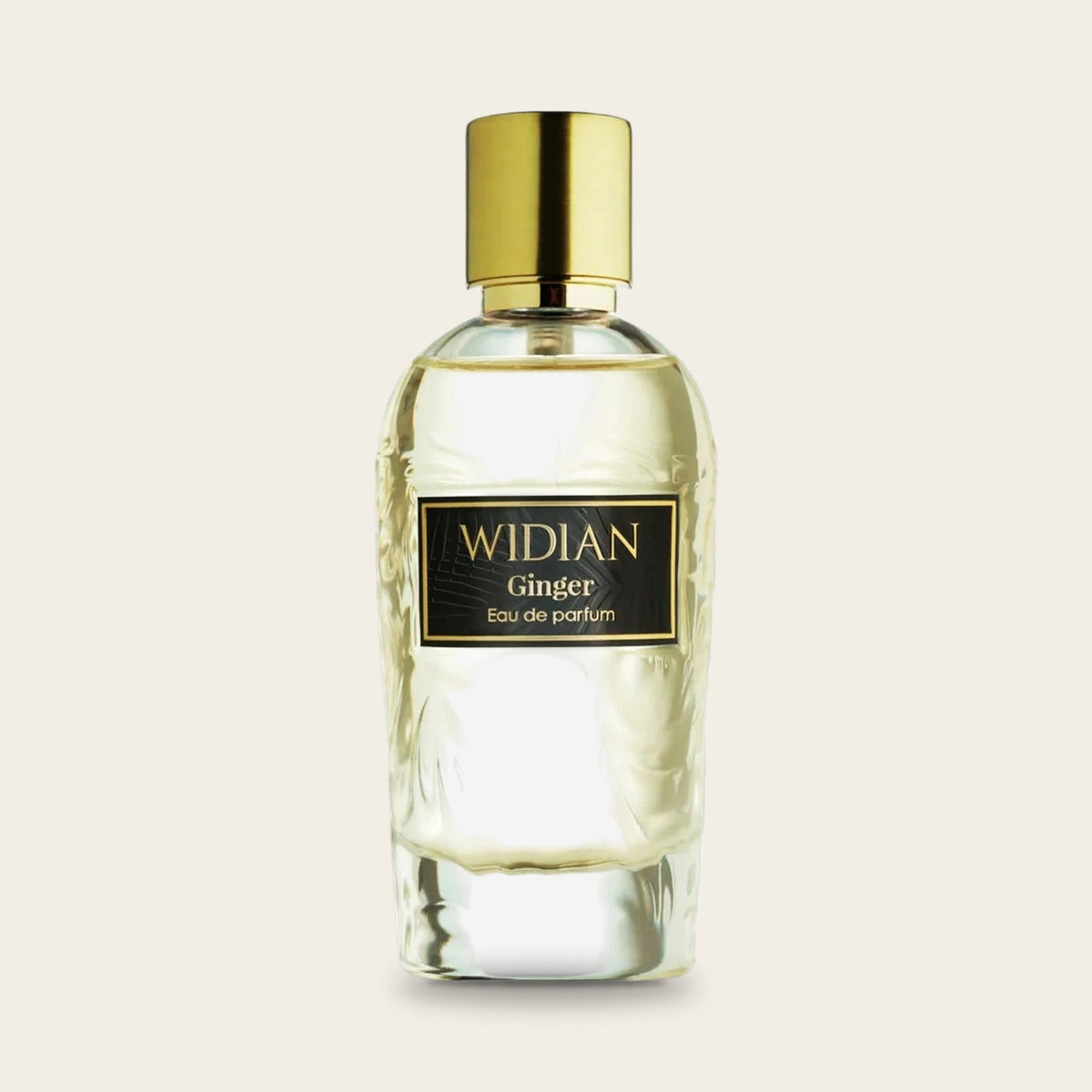
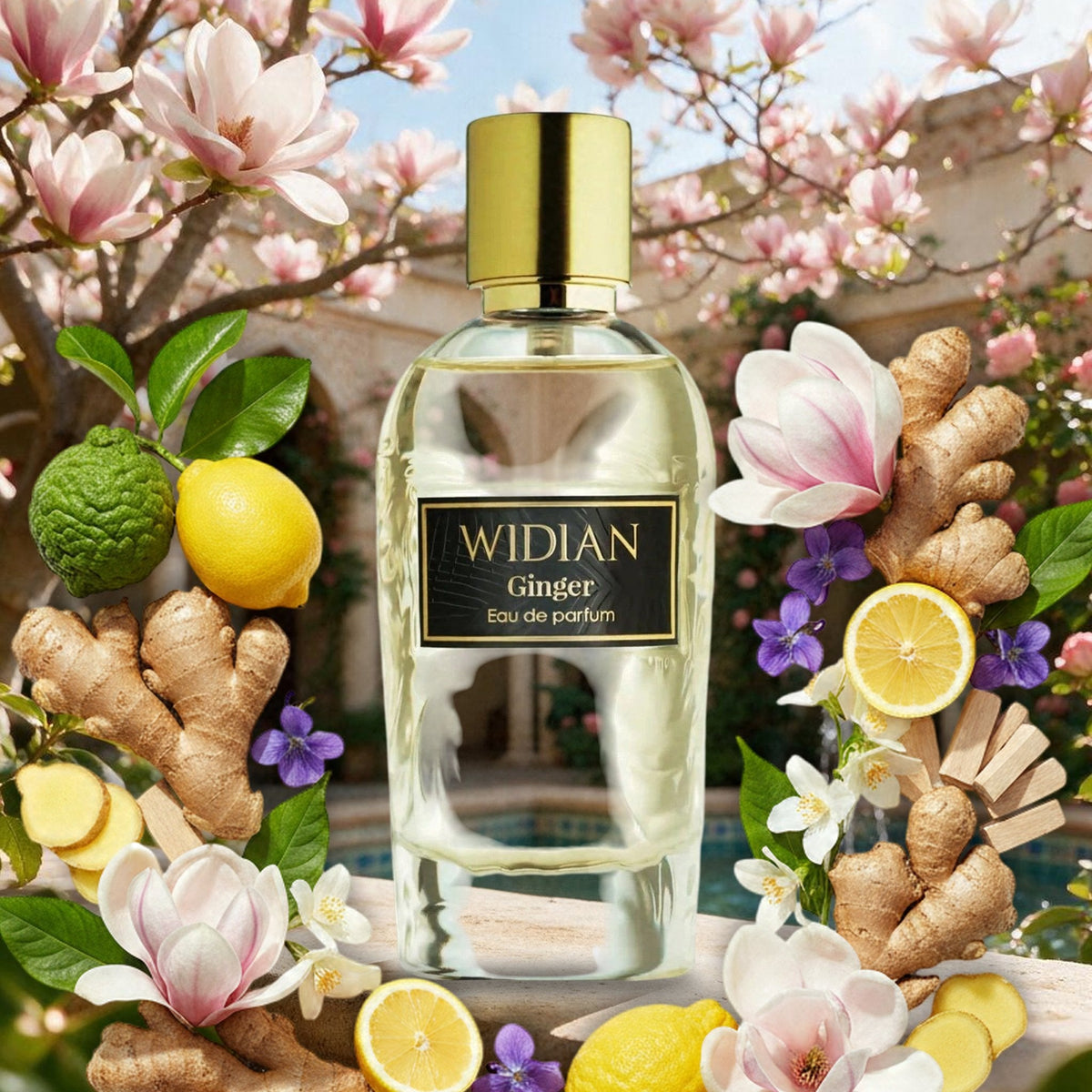
 Gingerginger, bergamot, magnolia€ 175
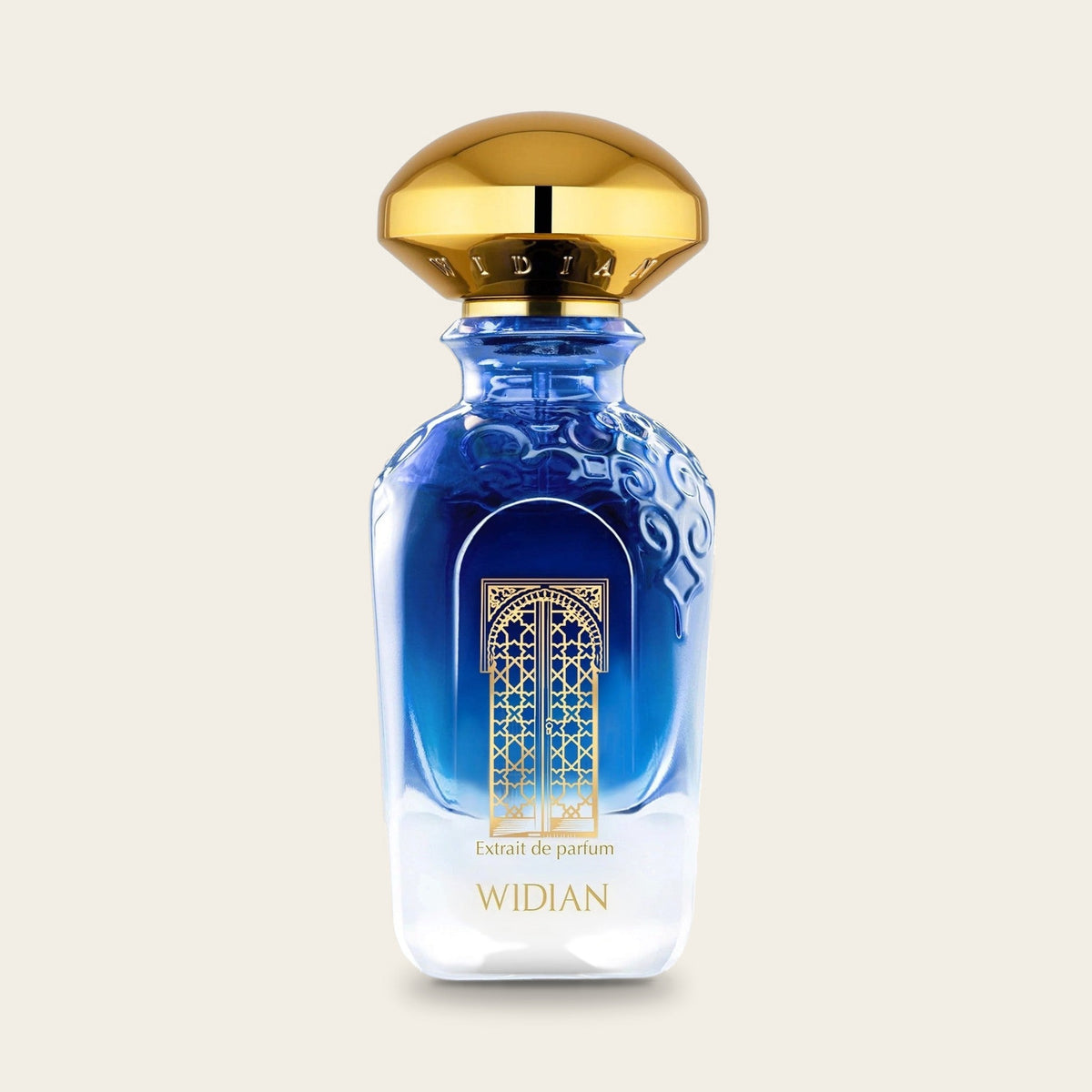
 Granadabergamot, rose, oakmoss€ 275
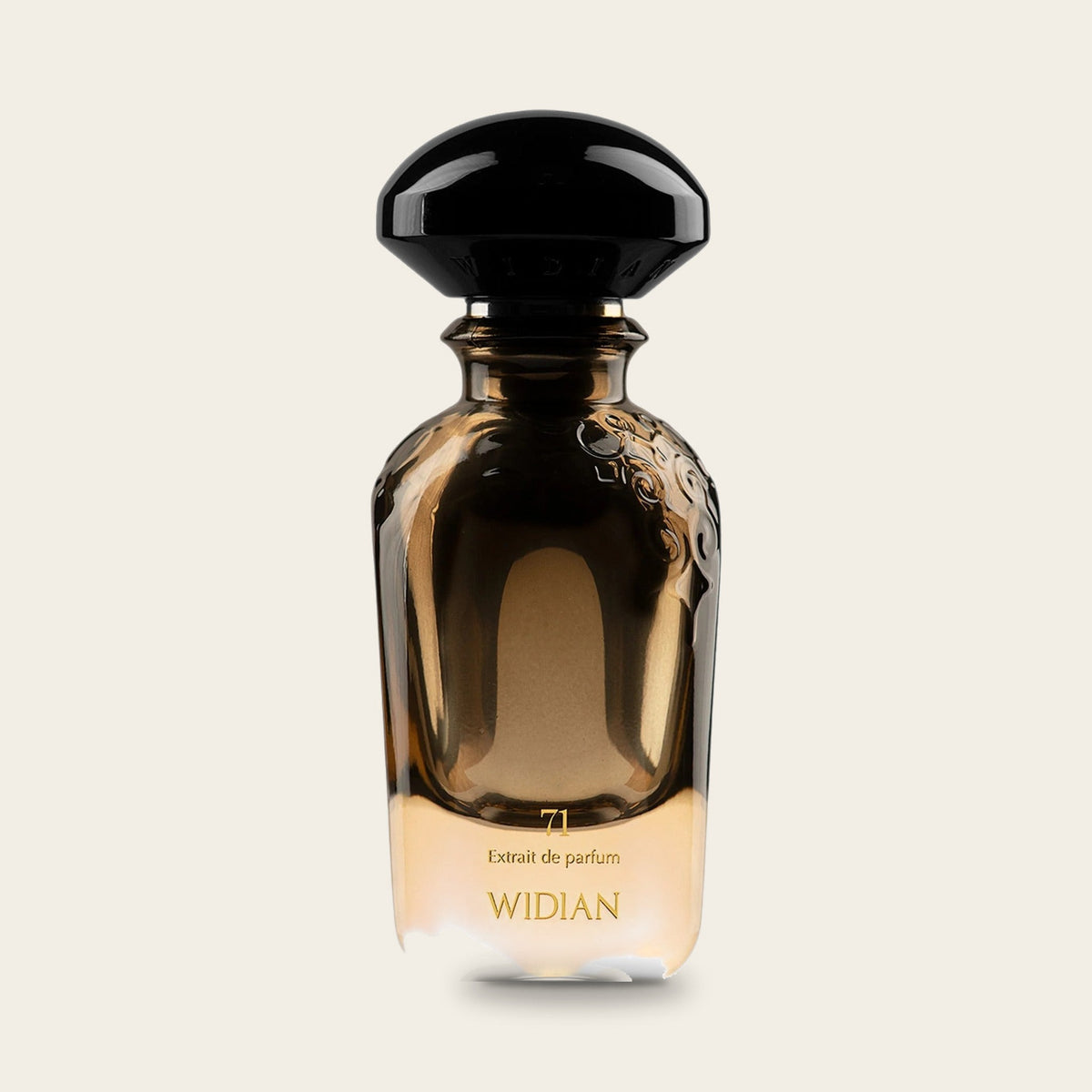
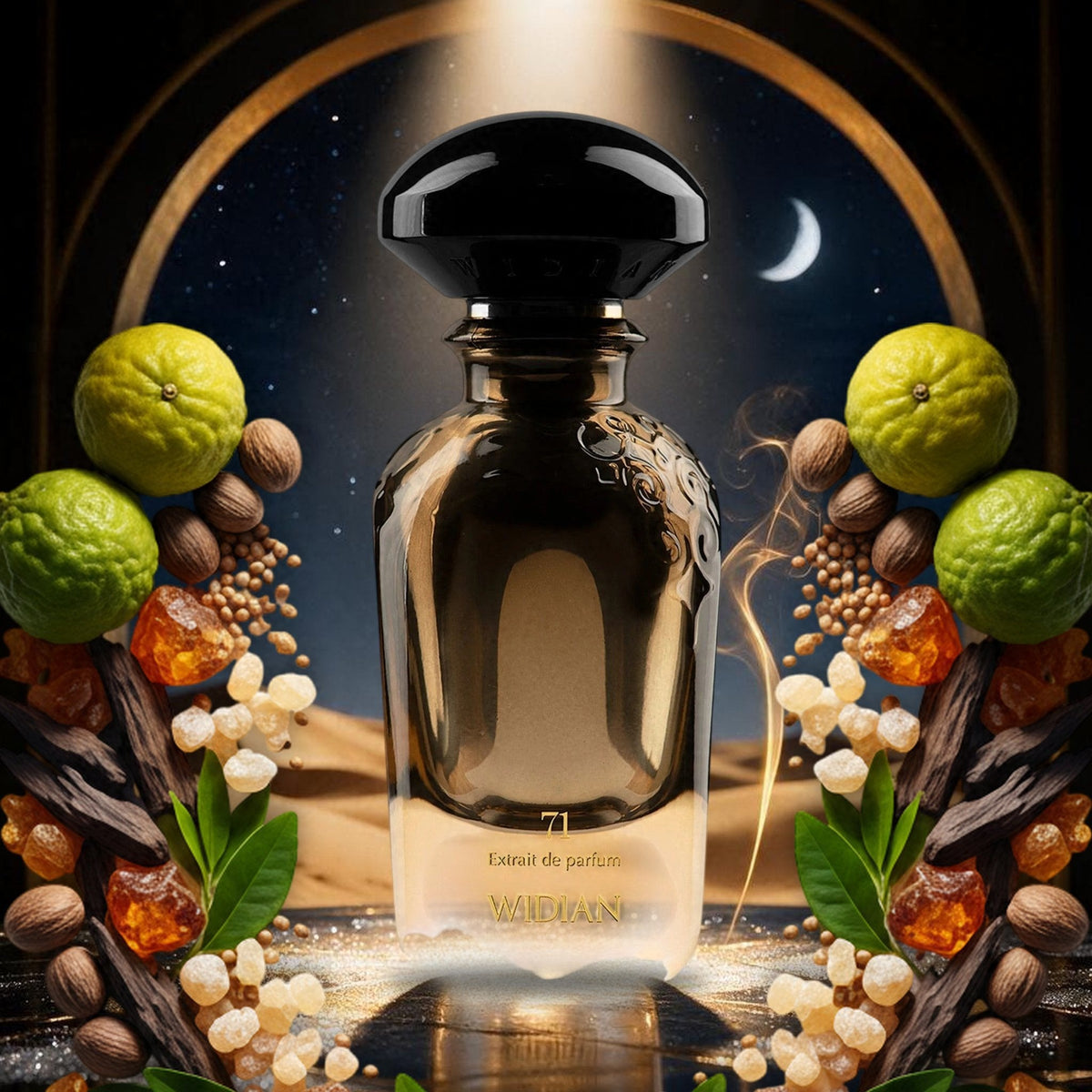
 Limited 71bergamot, oud, frankincense€ 375
Prices incl. VAT live from our shop, as of: 29.10.2026.
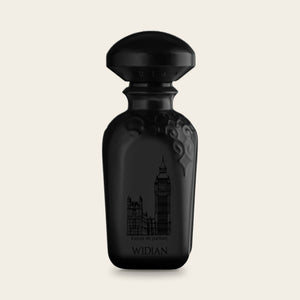
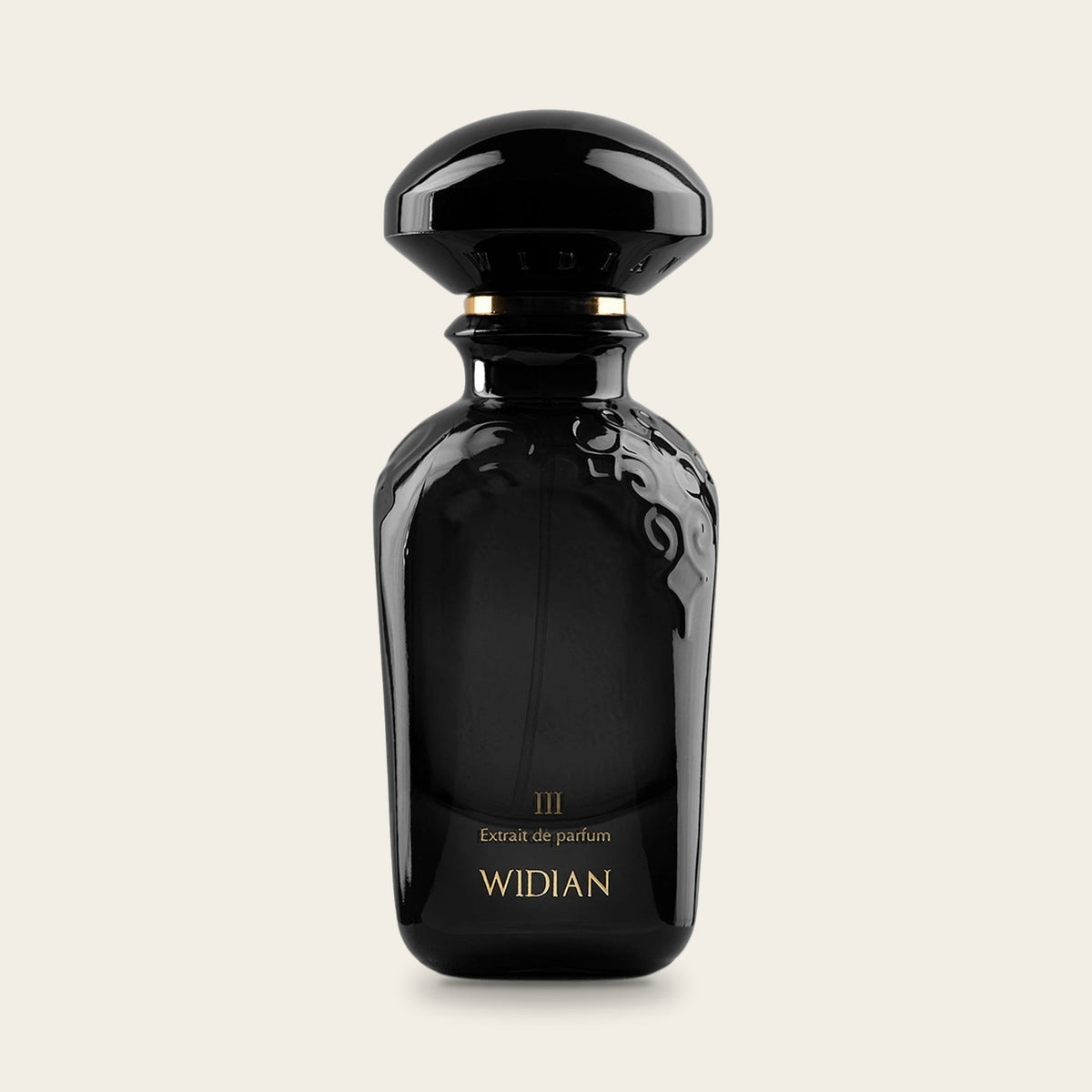
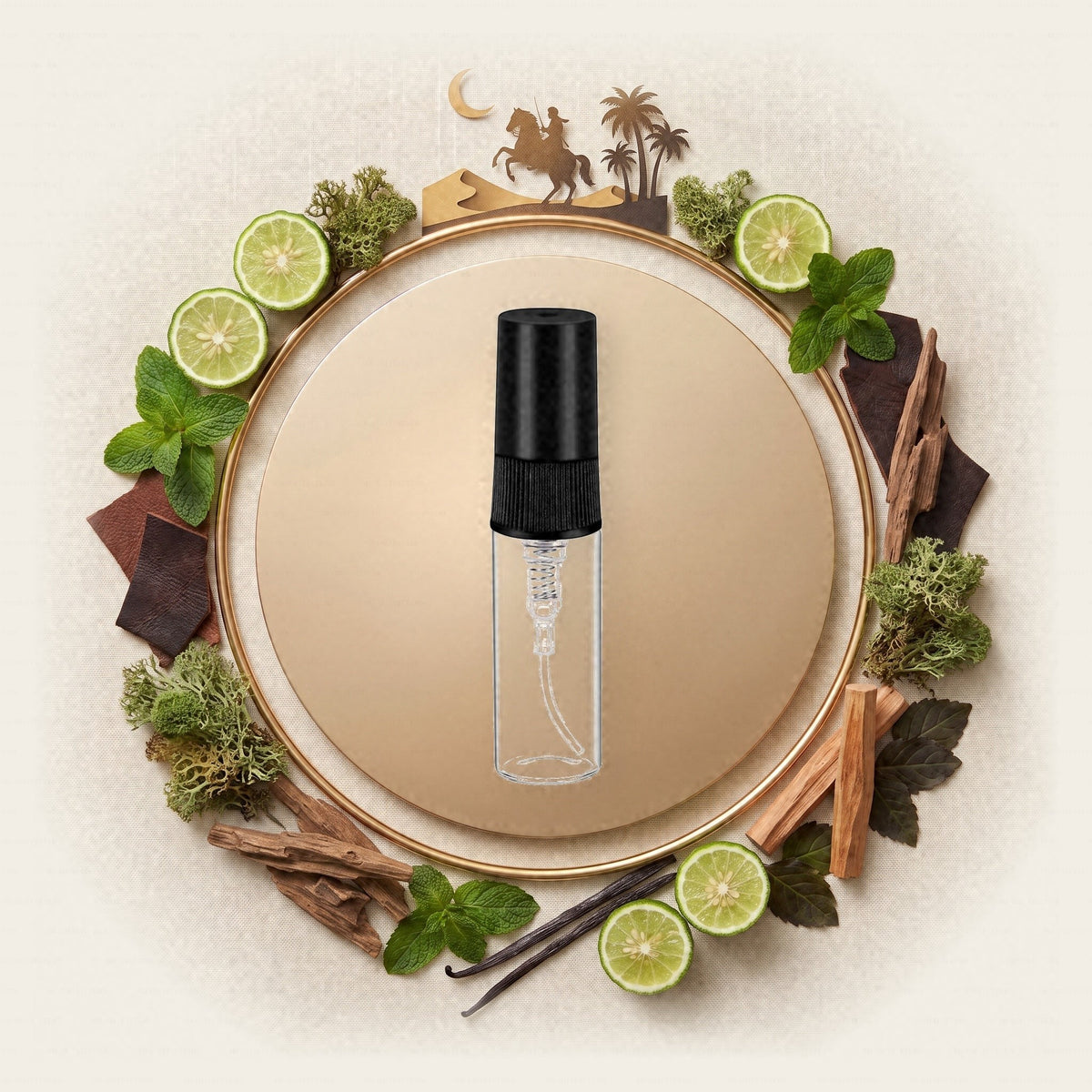
Widian's Black III also opens with bergamot, here together with cool mint over leather and woods. And Limited 71 shows how well the fruit pairs with oud: it lightens the dark wood without covering it.
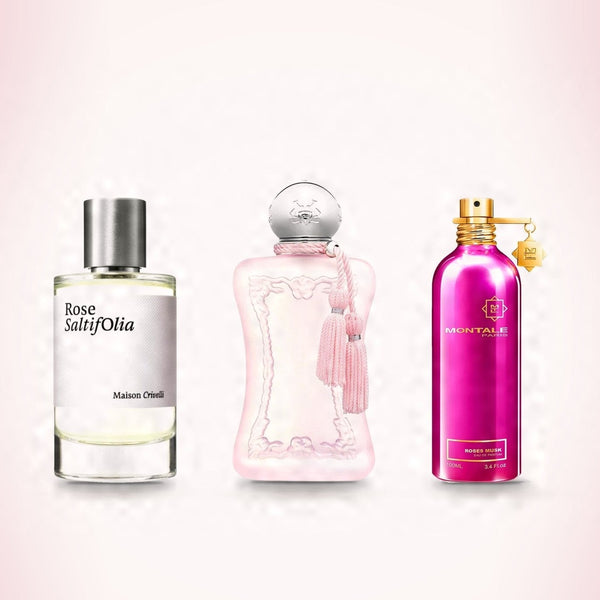
Beyond Widian you will find bergamot, for example, in Delina and Carios Extrait by Parfums de Marly, in Gold Immortals by Ex Nihilo, in Atomic Rose and Oud for Greatness by Initio, in Torino22 and Tony Iommi Monkey Special by Xerjoff, in 1899 Ernest Hemingway by Histoires de Parfums, in Narciso by Eredi Zucca and in Replica Beach Walk by Maison Margiela.
Curiosities about bergamot
What you did not know about the green fruit
- Boxes made of peel
Leftover peels used to be made into small souvenir boxes and snuffboxes. Marcel Proust even mentions such "tabatières de bergamote".
- Earl Grey without the Earl
Earl Grey is flavoured with bergamot oil. That the tea really goes back to the British prime minister Earl Grey is, however, considered rather unlikely by the English Wikipedia.
- More oil than fruit
According to Wikipedia, around 3,000 tonnes of essence declared as bergamot oil are traded, while genuine essence amounts to only about 100 tonnes. The rest is stretched or reconstructed.
- Wartime substitute from limes
During the Second World War, Italy could not export to the Allies. Brazil and Mexico then produced substitutes from sweet limes.
- On the emperor's menu
In cooking, bergamot has been documented since at least April 1536, on a menu for Emperor Charles V.
- Jewellery on the skin
"Berloque dermatitis" is named after jewellery pendants, because that is what the marks look like that untreated bergamot oil plus sun can leave behind.
For fragrance nerds: 5 facts about bergamot
- Botany: Citrus × bergamia, described by Risso and Poiteau, rue family (Rutaceae).
- Composition: around 95 percent volatile components, including limonene, linalyl acetate, linalool, γ-terpinene and β-pinene.
- Bergapten: Wikipedia gives values of 3,000 to 3,600 mg per kilogram for untreated oil.
- Bergamottin: Another furocoumarin, first isolated from bergamot. It also occurs in grapefruit and is partly responsible for grapefruit's well-known interactions with medicines.
- Tree: A bergamot tree bears fruit from about three years, peaks at around eight years and stays productive for about 25 years.
Frequently asked questions about bergamot in perfume
What does bergamot smell like in perfume?
Fresh and citrusy, but softer than lemon, with a slightly bitter, green and floral side reminiscent of lavender and Earl Grey.
Is bergamot an orange or a lemon?
Neither. It is considered a probable hybrid of lemon and bitter orange and is a citrus fruit in its own right.
Where does most bergamot come from?
From the province of Reggio Calabria in southern Italy. Around 80 percent of world production grows there.
Why does bergamot fade so quickly?
Its main constituents such as limonene are very volatile. That is why bergamot almost always sits in the top notes and is carried by woods, resins or musk in the base.
What does FCF mean for bergamot?
FCF stands for furocoumarin-free. The light-sensitising furocoumarins such as bergapten have been removed from the oil.
Which Widian fragrance contains bergamot?
Among others New York, Ginger, Granada, Limited 71 and Black III.
Smell first, then fall in love
You recognise bergamot best in the first minutes after spraying, before it retreats. A good test: smell New York and Ginger by Widian side by side. In New York it meets lavender, in Ginger it meets ginger, and suddenly you notice how versatile this one fruit is. With every bottle from 30 ml we include a 2 ml sample of the same fragrance; from an order value of € 90, four more 2 ml samples of your choice, subject to availability (wished-for scents in the order comment). From an order value of € 200, standard shipping to Austria and Germany is free. Or come to our boutique in Bregenz and go hunting for bergamot with us.
Read more about the house behind New York and Ginger in our Widian portrait.
Your team at 4D OUTFITTERS, Bregenz
Sources: Wikipedia: Bergamot orange · Wikipedia: Bergamot essential oil · Wikipedia (it.): Bergamotto · Wikipedia: Bergamottin · Wikipedia: Earl Grey tea · Wikipedia: Eau de Cologne · Fraterworks: Bergamot Oil FCF · Widian: Ginger · Fragrance notes according to the 4D OUTFITTERS webshop, as of: 29.10.2026
Questions about this scent? We are happy to advise you personally.
Quick quiz
How well do you know it?
In which Italian province does around 80 percent of world bergamot production grow?
Bergamot grows there on a coastal strip about 150 kilometres long that reaches only about two kilometres inland.
Which origin of the name bergamot does the Italian Wikipedia favour?
It considers the Bergamo explanation completely unfounded. The city lies around 1,000 kilometres as the crow flies from the Calabrian plantations.
According to Wikipedia, how much oil do the rinds of 100 bergamots yield?
That is less than one gram per fruit. The Italian Wikipedia calculates around 200 kilograms of fruit for one kilogram of essence.
In which year did Johann Maria Farina blend his famous Eau de Cologne with bergamot in Cologne?
According to Wikipedia, the first written record of bergamot oil as a fragrance material dates from 1714 and is found in the Farina Archive in Cologne.
What is “berloque dermatitis”, which untreated bergamot oil plus sun can cause, named after?
The brown marks often look like dangling pendants. A physician named Rosenthal coined the term in 1925.
0 of 5 correct
All correct! Your reward: 4 fragrance samples or a little surprise with your next order.
Rewards are for customer accounts – sign in or create an account in under a minute, then claim it right here.
Once per month per customer account, with your next order, while stocks last. Not a prize draw – everyone who answers correctly receives it.
Giovanni V.
Co-owner and perfume expert at 4D Outfitters. Writes about ingredients, houses and scents.
All articles by Giovanni V.About GiovanniIngredients
From the lexicon
In this article




- Insured shipping, free from €200 (AT/DE)
- 100 % original from an authorised retailer
Bergamot in Perfume: The Green Citrus Fruit from Calabria
IM FOKUS
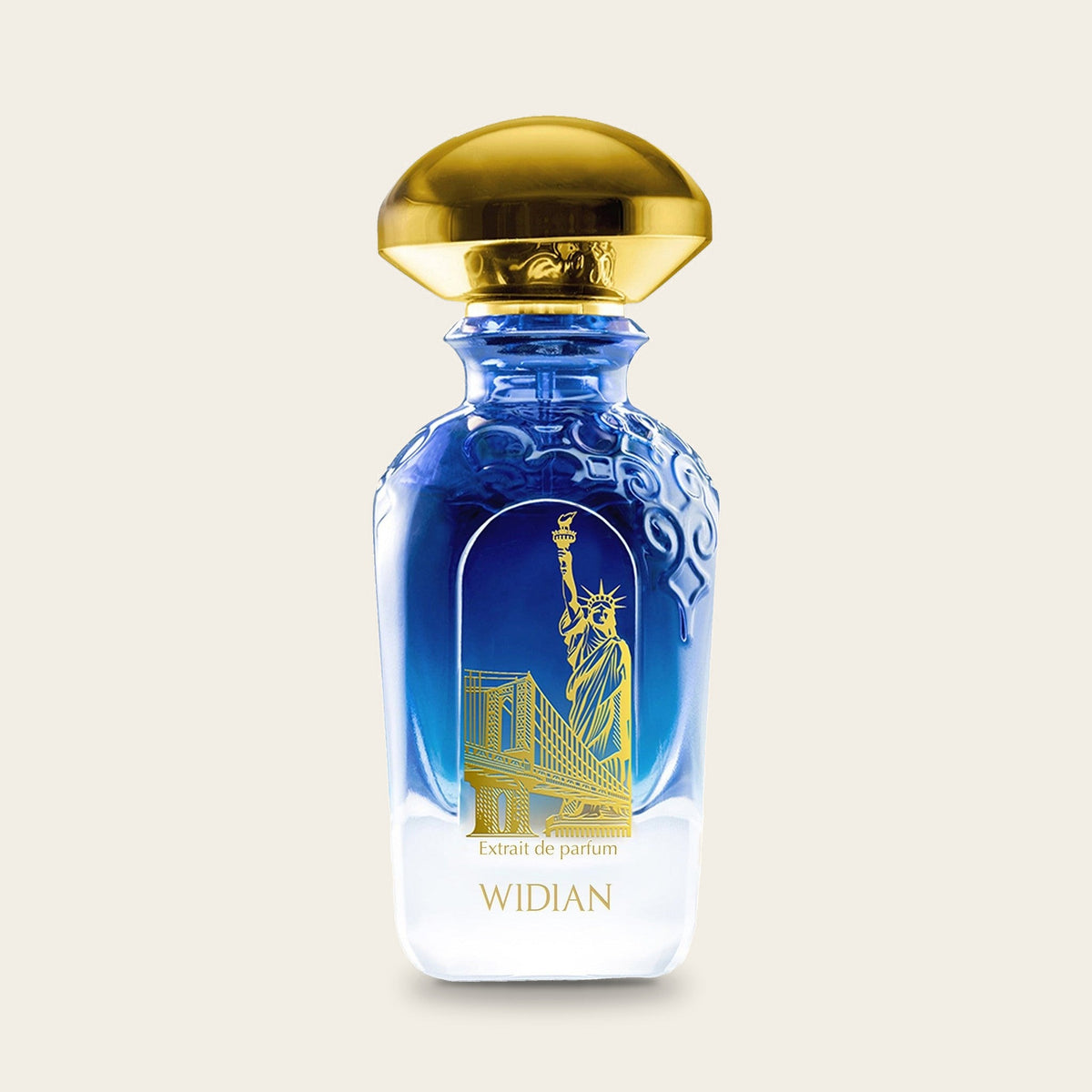

New York, Widian, Sapphire Collection
Sale price€275,00
(€5.500,00/L)
Ginger, Widian, Rose Arabia Collection
Sale price€175,00
(€1.750,00/L)

Granada, Widian, Sapphire Collection
Sale price€275,00
(€5.500,00/L)
Limited 71, Widian, Limited Collection
Sale price€375,00
(€7.500,00/L)
Black III, Widian, Black Collection
Sale price€275,00
(€5.500,00/L)
Read nextScent Science
Ingredient Lexicon Ingredient Lexicon Vanilla in perfume: From orchid to favourite scent
Ingredient Lexicon Leather in perfume: How does something smell that was never in the bottle?
Care & know-how Scented candles & home fragrance: How to use them right