Ingredient Lexicon
Labdanum in perfume: the resin that smells of amber


At a glance
Labdanum is the sticky resin of the rockrose and the heart of almost every amber fragrance. How it was once combed from goats' beards, what it smells like and which perfumes contain it.
A shrub that sweats in high summer, goats with sticky beards and a resin that smells of leather, honey and warm skin: that is labdanum. Hardly any raw material is found in so many warm perfumes while remaining so little known. When you read “amber” in a fragrance description, you are very often smelling the resin of the rockrose. Time to call it by its name.
In short
- What: labdanum (also ladanum) is the sticky resin of the gum rockrose, Cistus ladanifer, a shrub from the western Mediterranean.
- Scent: ambery, sweet, woody, powdery, leathery, slightly animalic; good labdanum has a subtle honeyed note.
- Role: it is the main building block when perfumers create the scent of “amber”, and it resembles precious ambergris.
- To try with us: for example in VII Queen Anne Rock Rose and Jump Up and Kiss Me Hedonistic by Clive Christian.
What is labdanum?
Labdanum is a natural resin secreted by the leaves and twigs of the gum rockrose. Botanically the plant is called Cistus ladanifer; Carl Linnaeus described it in 1753. It grows in the western Mediterranean, with one subspecies in Morocco, Algeria and Andalusia. The Spanish call the shrub “jara pringosa”, roughly “the sticky shrub”, and that is no exaggeration: walk through a rockrose landscape on a hot day and your trouser legs will feel as if they had been brushed with honey.
The reason is a protective mechanism. In summer, under the sun, the oily resin seeps out of the leaves and twigs as if the plant were sweating. This is exactly the “sweat” perfumery wants. In antiquity the pink rockrose (Cistus creticus) from the eastern Mediterranean was mainly used; today the gum rockrose is the main source because it yields considerably more resin. According to the German-language literature, production is concentrated mostly in Spain.
And the name? In English the plant is called rock rose. It is not related to the true rose but belongs to its own family, the rockrose family. If you want to know more about the queen of fragrance materials, read Rose in perfume.
How is labdanum harvested: once with goats' beards, today in the kettle?
The oldest harvesting method sounds like a joke but is well documented: goats and sheep grazed between the shrubs, the resin stuck in their beards and fleece, and the herders combed it out. The Greek physician Dioscorides already described the resin being combed from goats' beards. On Crete a special tool was used, a kind of rake with a double row of leather thongs instead of teeth, called a “lambadistrion”. It was drawn over the bushes and the resin stuck to the thongs.
Today it is less romantic but more productive:
- Raw resin: leaves and twigs are usually boiled in water; the resin separates and is skimmed off. Fresh raw gum contains up to 20 per cent water or more and becomes brittle with age.
- Absolute: solvent extraction produces the absolute, dark amber-green and very thick at room temperature.
- Essential oil: steam distillation yields a lighter, fresher oil.
What this means for you: “labdanum” on a list of notes can smell quite different depending on which of these qualities the perfumer chose, and in what dose.
What does labdanum smell like?
Warm. And then it gets complicated. Descriptions in the literature range from ambery, sweet, woody and powdery to fruity, animalic, leathery and reminiscent of ambergris. Good labdanum also smells subtly of honey. In one sentence: like an old leather glove that has spent a night in a bowl of dried fruit.
Our experience from the boutique: labdanum rarely shows itself in the very first spray. The citrus or pepper top notes fade, and after half an hour a dark, almost velvety warmth remains on the skin, closer to the body than the flowers above it. That is where the resin sits. If you want to know why some notes leave early and others stay, read The fragrance pyramid explained.
Because of its leathery side, labdanum is also a favourite tool when a fragrance should smell of leather without a single piece of leather ever having been in the bottle. How that works is explained in Leather in perfume.
What does labdanum have to do with amber, ambergris and fossil amber?
Labdanum is the main ingredient used to create the scent of “amber” in perfumery. Three words that are often confused:
Accord
Amber
Not a raw material but a warm fragrance accord composed by perfumers. Labdanum is its most important building block.
Animal
Ambergris
A substance from the gut of the sperm whale, produced by only an estimated one per cent of the animals. In perfume today mostly replaced by synthetic ambroxide.
Fossil
Amber stone
Fossilised tree resin. Beautiful as jewellery, but not a raw material for your perfume.
Because labdanum resembles ambergris so closely, it was once even used to adulterate expensive ambergris. Today it is a star in its own right. We introduce the modern ambergris molecule Ambroxan in Iso E Super, Ambroxan, Hedione.
Which perfumes contain labdanum?
A great many warm fragrances, often without it appearing in the name. Four examples from our range in which the rockrose is explicitly named in the description:


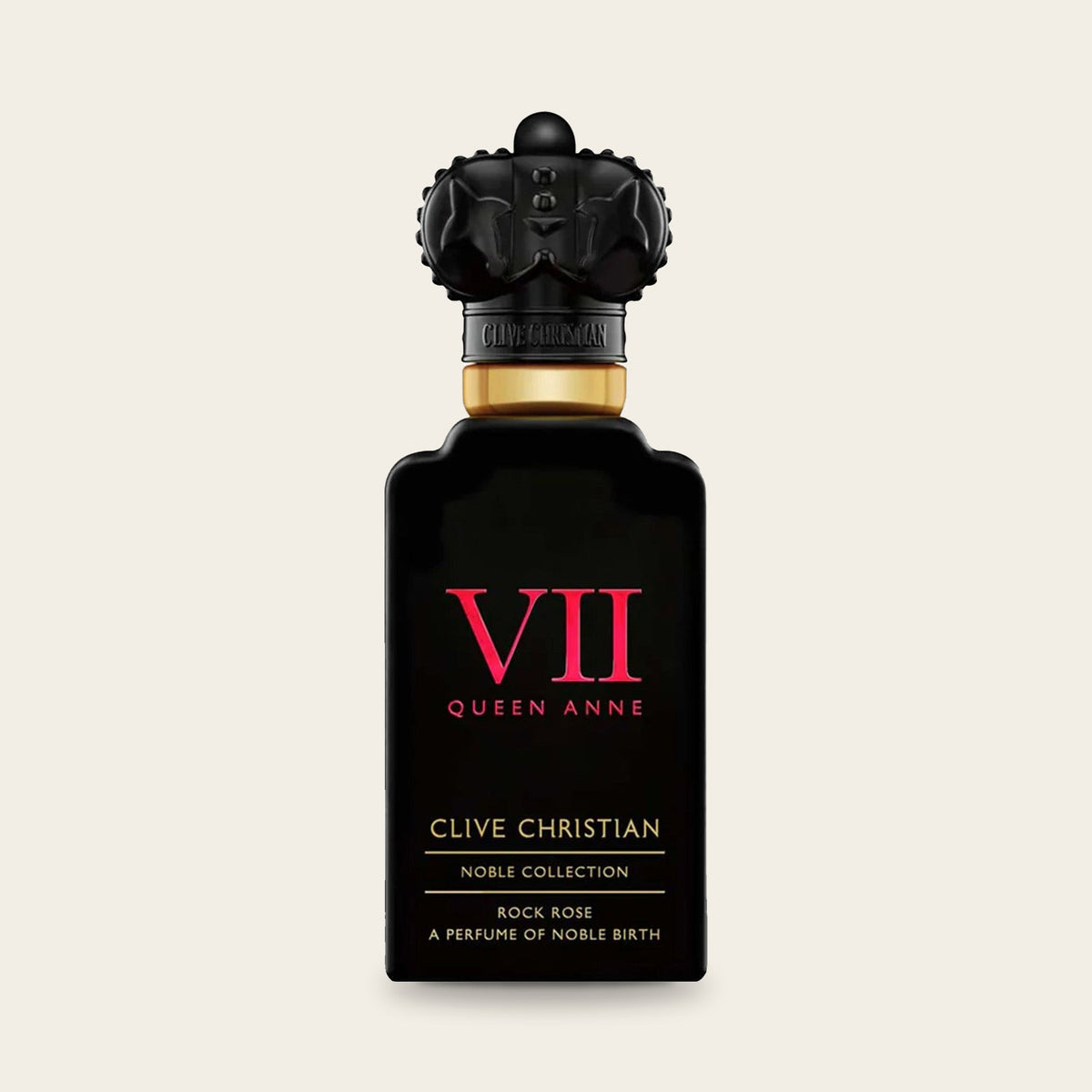
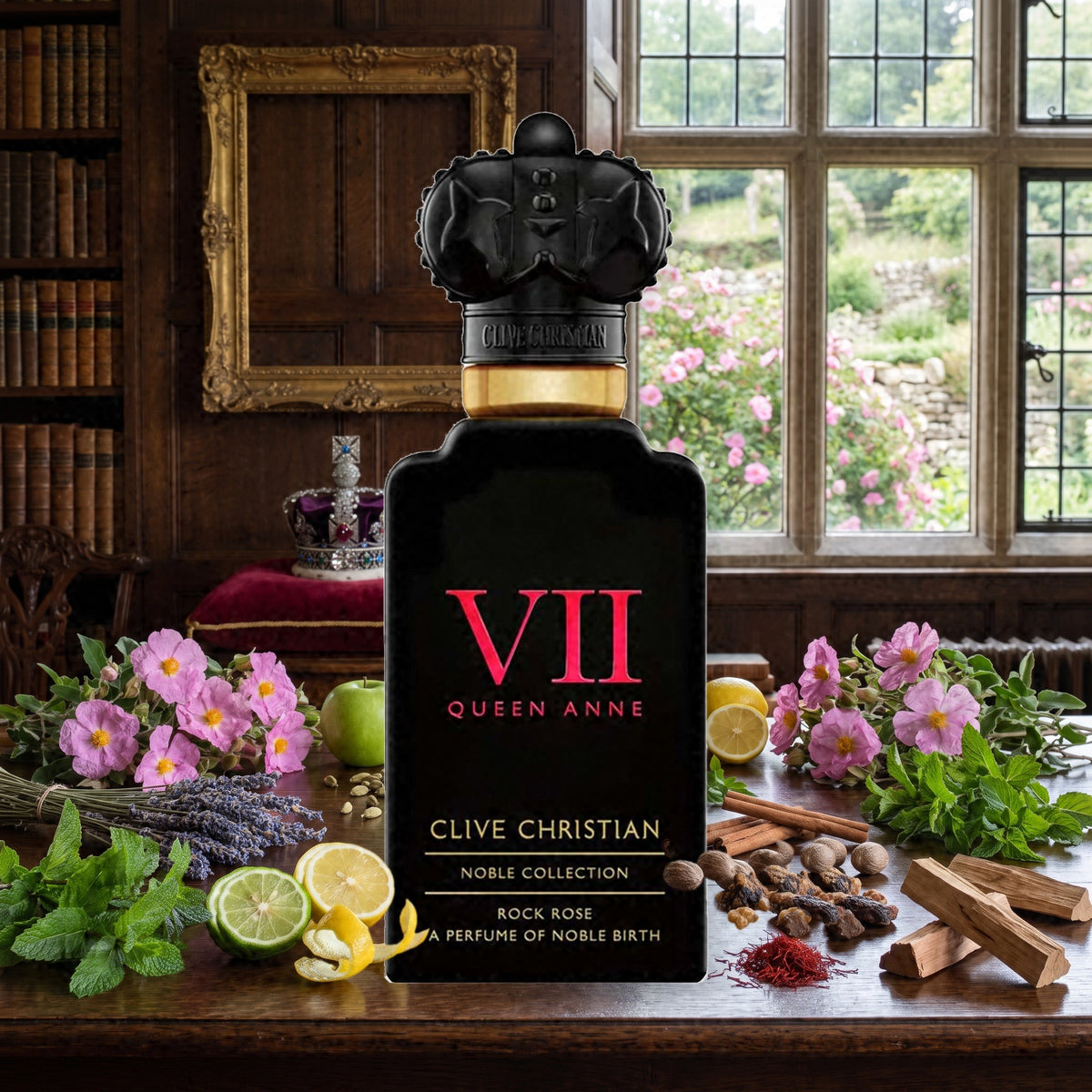
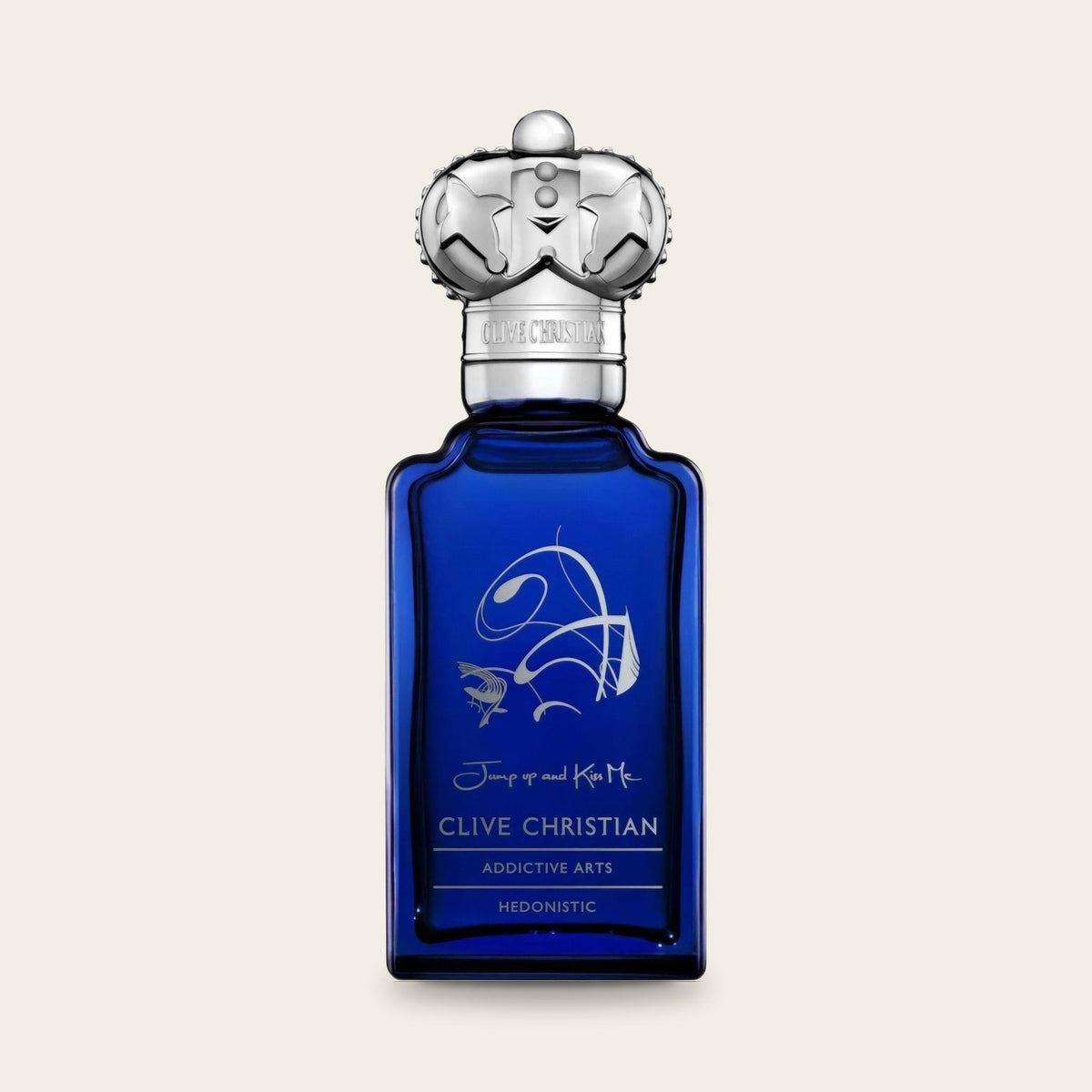
VII Queen Anne Rock Rose carries the rockrose in its very name. Clive Christian describes it as a treasured secret of 18th-century British nobility and places it between tarocco orange, lavender, violet and saffron: aromatic, leathery, very elegant. Jump Up and Kiss Me Hedonistic officially names labdanum as a base note, together with amber, smoky leather, tonka and vanilla, with mate tea and tobacco above. Here the resin is the dark stage for a rather extravagant play.
Full Incense by Montale combines elemi and labdanum over cedarwood and patchouli, smoky and cool like a church. And Herod by Parfums de Marly places the rockrose next to tobacco leaves, incense and osmanthus, warm and spicy with cinnamon in the opening.
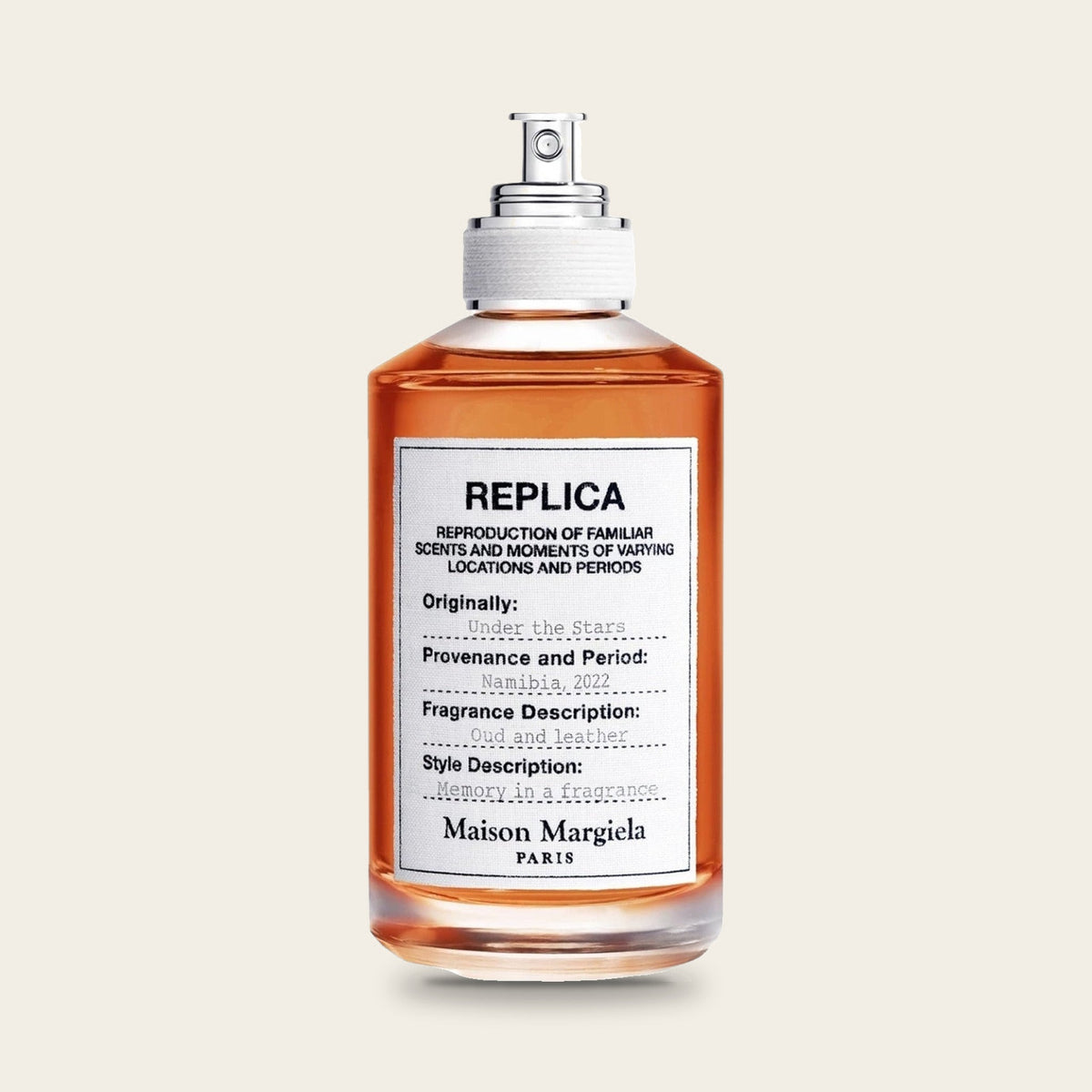
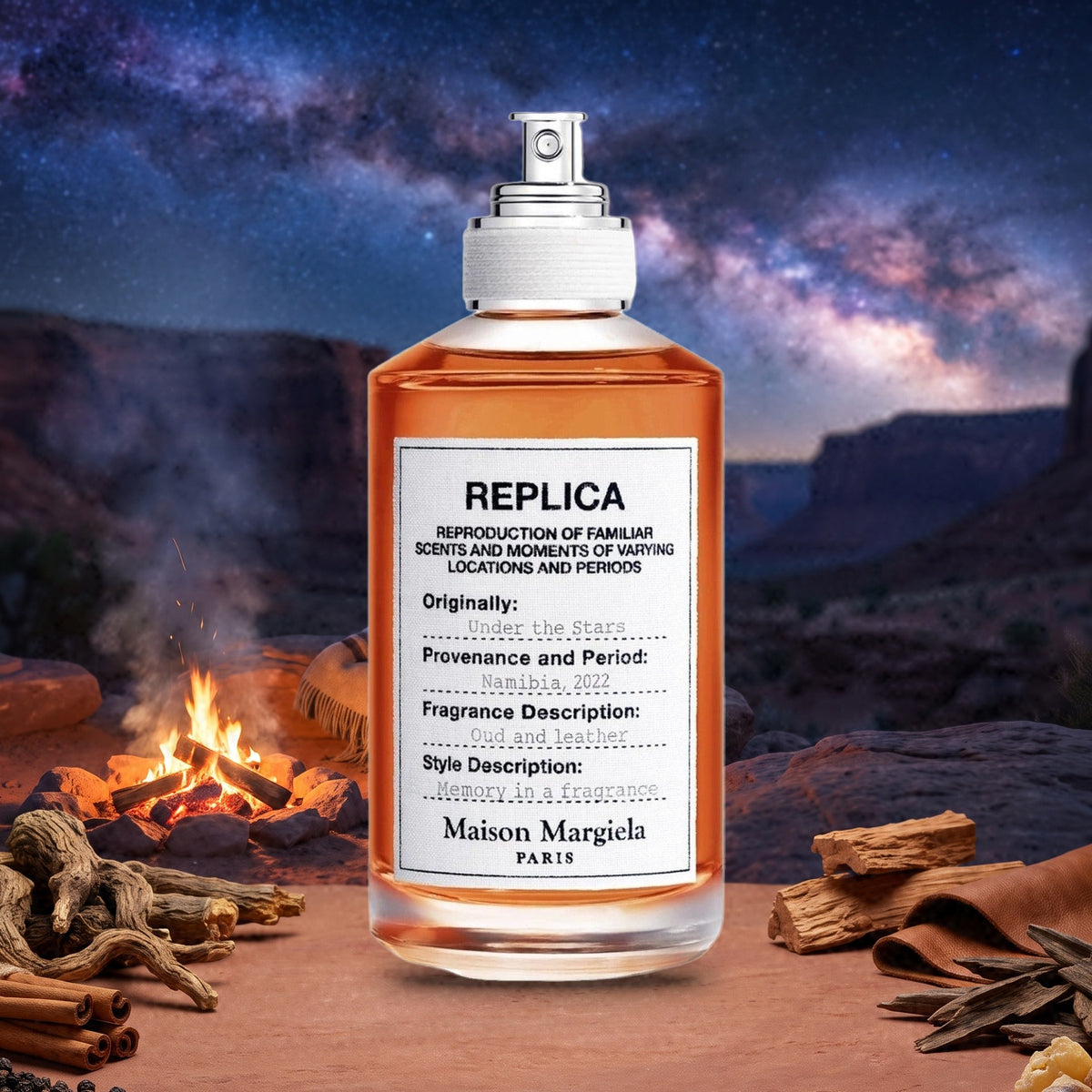
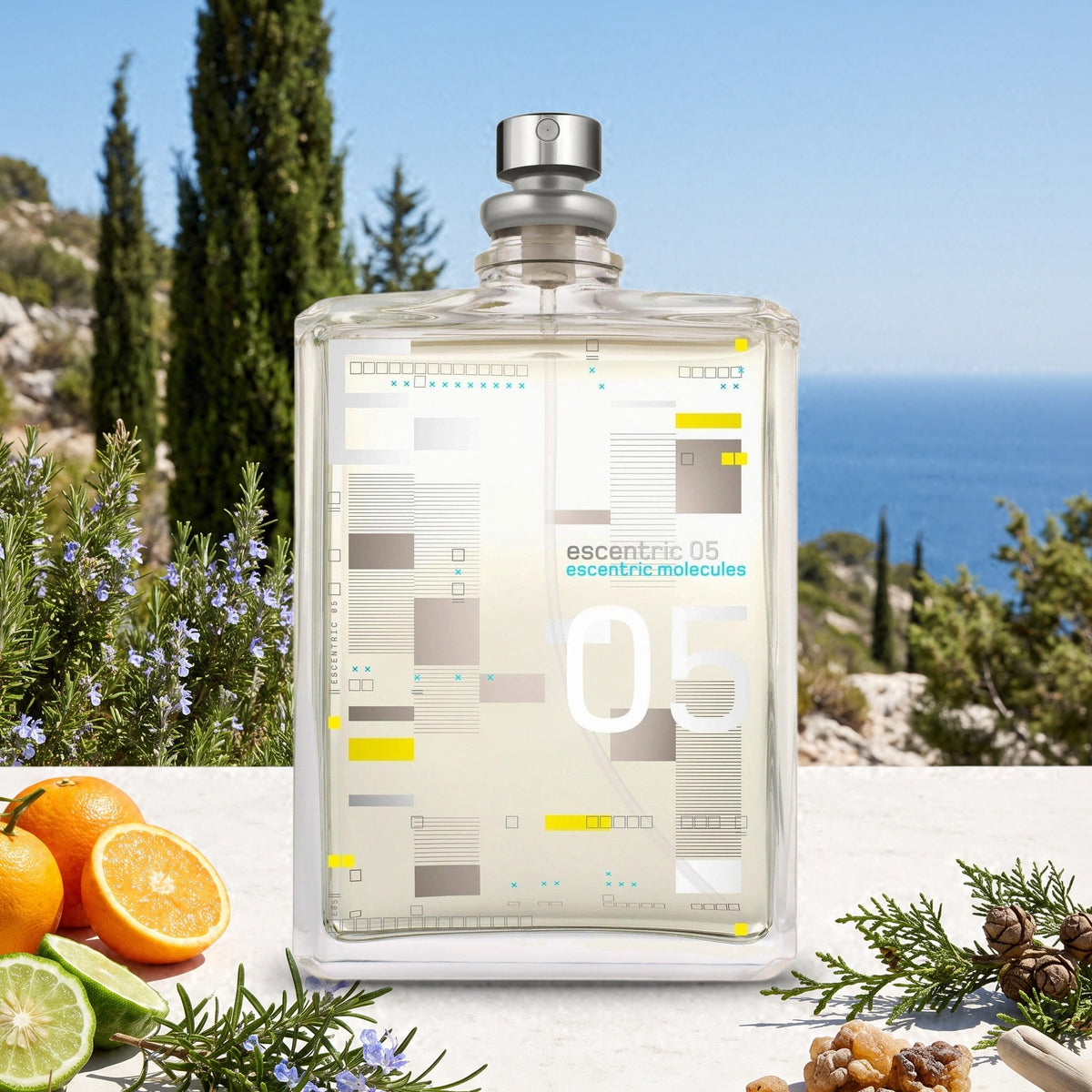
More fragrances with labdanum or rockrose in our shop: 1740 Marquis de Sade by Histoires de Parfums (a chypre with liqueur-like leather and dried fig), Replica Under the Stars by Maison Margiela (labdanum, leather and oud in the base) and Escentric 05 by Escentric Molecules with sweet, leathery rockrose next to mastic. You will find all Clive Christian fragrances in our Clive Christian collection, and the story of the house with the crown in our Clive Christian portrait.

How can you recognise labdanum in a perfume?
Three pointers that work well in our consultations:
- Wait. Labdanum is a base note. Smell your skin again after 30 to 60 minutes, not the test strip.
- Pay attention to the “in-between”. If a fragrance feels sweet and leathery at the same time, somewhere between honey, dried fruit and saddle, rockrose is a strong candidate.
- Read the synonyms. Labdanum, ladanum, rockrose, cistus and rock rose all lead to the same plant. And “amber” in the base is often a clue.
Curiosities about labdanum
For everyone who wants to shine with resin at the next dinner party
- Labdanum in the Bible
In the Book of Genesis (37:25 and 43:11) a precious cargo is taken to Egypt. The Hebrew word “lot” in it is usually interpreted as labdanum.
- An ingredient of Egyptian incense
In ancient Egypt ladanum was popular and part of the famous incense blend kyphi.
- A beard of resin?
The Egyptologist Percy Newberry speculated that the false beard of the pharaohs might originally have represented a resin-laden goat's beard. A speculation, but a very beautiful one.
- From the shrub into vermouth
Labdanum is used not only in perfumes but also in vermouth recipes and as a building block of classic chypre fragrances.
- The sweating shrub
The hotter the summer, the more resin seeps out. What annoys hikers protects the plant and in the end fills a bottle.
For fragrance nerds
- Plant: Cistus ladanifer L. (gum rockrose), rockrose family (Cistaceae), 1 to 2.5 m tall, leaves 3 to 10 cm long.
- Other sources: pink rockrose (Cistus creticus), the most important species in antiquity.
- Qualities: raw resin (boiled), absolute (solvent extraction), essential oil (steam distillation).
- Raw gum: up to 20 per cent water or more, becomes brittle with age.
- Absolute: dark amber-green, very thick at room temperature.
- Ambergris kinship: the main odour components of real ambergris are ambroxide and ambrinol, formed by the oxidation of ambrein. Labdanum is plant-based but resembles ambergris in scent.
Frequently asked questions about labdanum
Is labdanum the same as amber?
Not quite. Amber is a fragrance accord, labdanum is a natural raw material. But labdanum is the most important building block when an amber accord is created in perfumery.
Is labdanum of animal origin?
No. Labdanum is a plant resin from the rockrose. It only smells partly animalic and is reminiscent of ambergris, which comes from the sperm whale.
Where does labdanum come from today?
Mostly from Spain, obtained from the gum rockrose that grows in the western Mediterranean.
What does labdanum smell like?
Warm, sweet, resinous and leathery, often with a powdery or fruity side and a hint of honey. It works mainly in the base of a perfume.
Which Clive Christian fragrance contains labdanum?
Explicitly Jump Up and Kiss Me Hedonistic (labdanum in the base) and VII Queen Anne Rock Rose, which carries the rockrose in its name.
Can I test labdanum fragrances first?
Yes. With every bottle of 30 ml or more we include a 2 ml sample of the same fragrance, and from an order value of € 90 you may choose four more samples, subject to availability.
Smell first, then fall in love
Labdanum is a raw material you have to experience on your own skin, because it changes with the warmth of the body. With every bottle of 30 ml or more we include a 2 ml sample of the same fragrance; from an order value of € 90, four more 2 ml samples of your choice, subject to availability (note your preferred scents in the order comment). Feel free to write “labdanum round” there with two or three fragrances from this article. From an order value of € 200, standard shipping to Austria and Germany is free.
Or visit our boutique in Bregenz. There we will smell together how differently one and the same resin sounds in a rock rose, an incense and a tobacco fragrance.
Prices according to the 4D OUTFITTERS web shop, as of 2 November 2026. The prices shown are updated automatically from the shop.
Your 4D OUTFITTERS team, Bregenz
Sources: Wikipedia – Labdanum · Wikipedia – Ladanum · Wikipedia – Lack-Zistrose · Wikipedia – Cistus ladanifer · Wikipedia – Ambergris · Clive Christian – Rock Rose · Clive Christian – Jump Up and Kiss Me Hedonistic · product data 4D OUTFITTERS
Questions about this scent? We are happy to advise you personally.
Giovanni V.
Co-owner and perfume expert at 4D Outfitters. Writes about ingredients, houses and scents.
All articles by Giovanni V.About GiovanniIngredients
From the lexicon
In this article




- Shipping AT/DE €4.95 – free from €200
- 100 % original from an authorised retailer
Labdanum in perfume: the resin that smells of amber
IM FOKUS
VII Queen Anne, Rock Rose, Clive Christian Noble Collection
Sale price€565,00
(€11.300,00/L)

Jump Up and Kiss Me, Hedonistic, Clive Christian
Sale price€565,00
(€11.300,00/L)
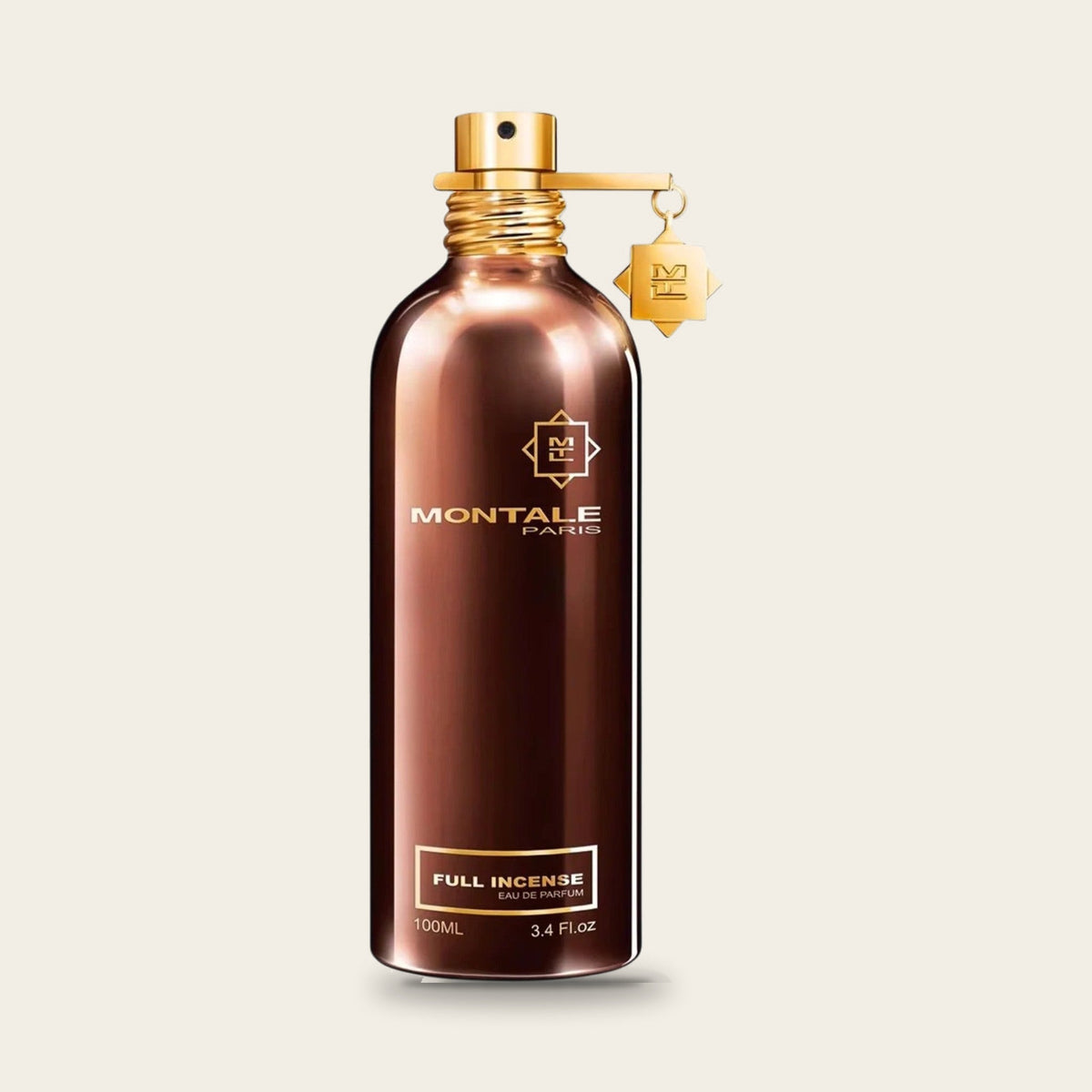

Full Incense, Montale Paris
Sale price€135,00
(€1.350,00/L)

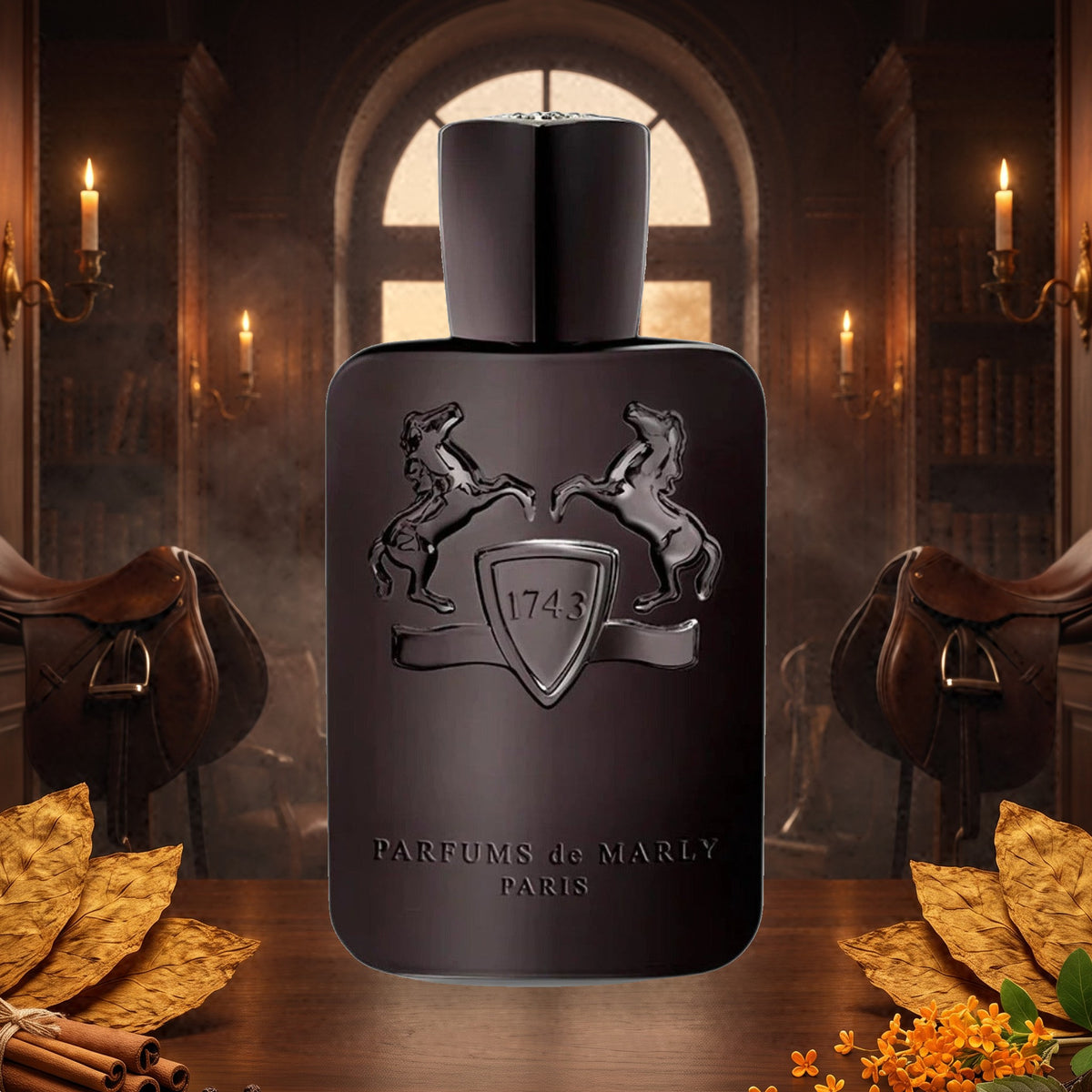
Herod EdP, Parfums de Marly
Sale priceFrom €225,00
(€3.000,00/L)
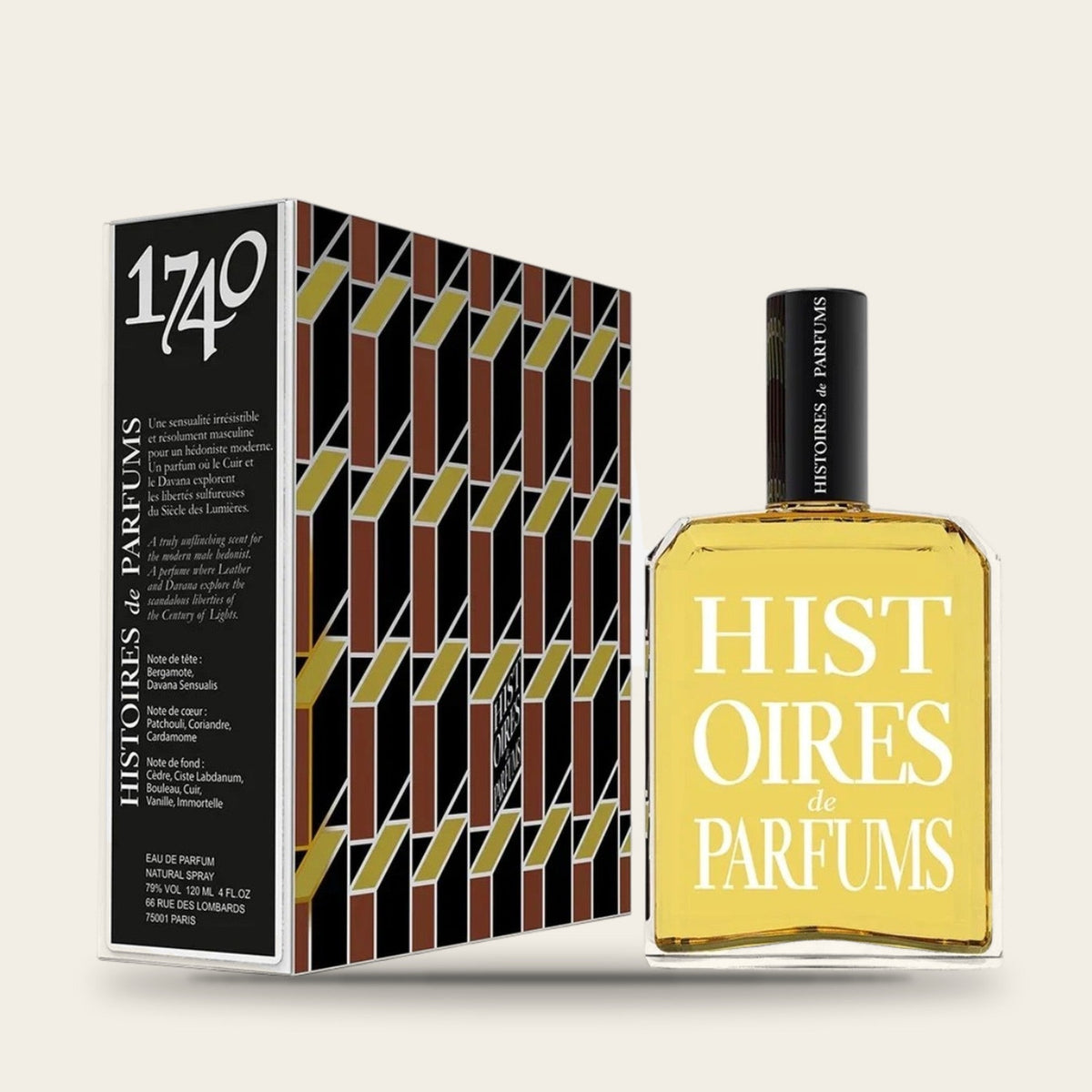
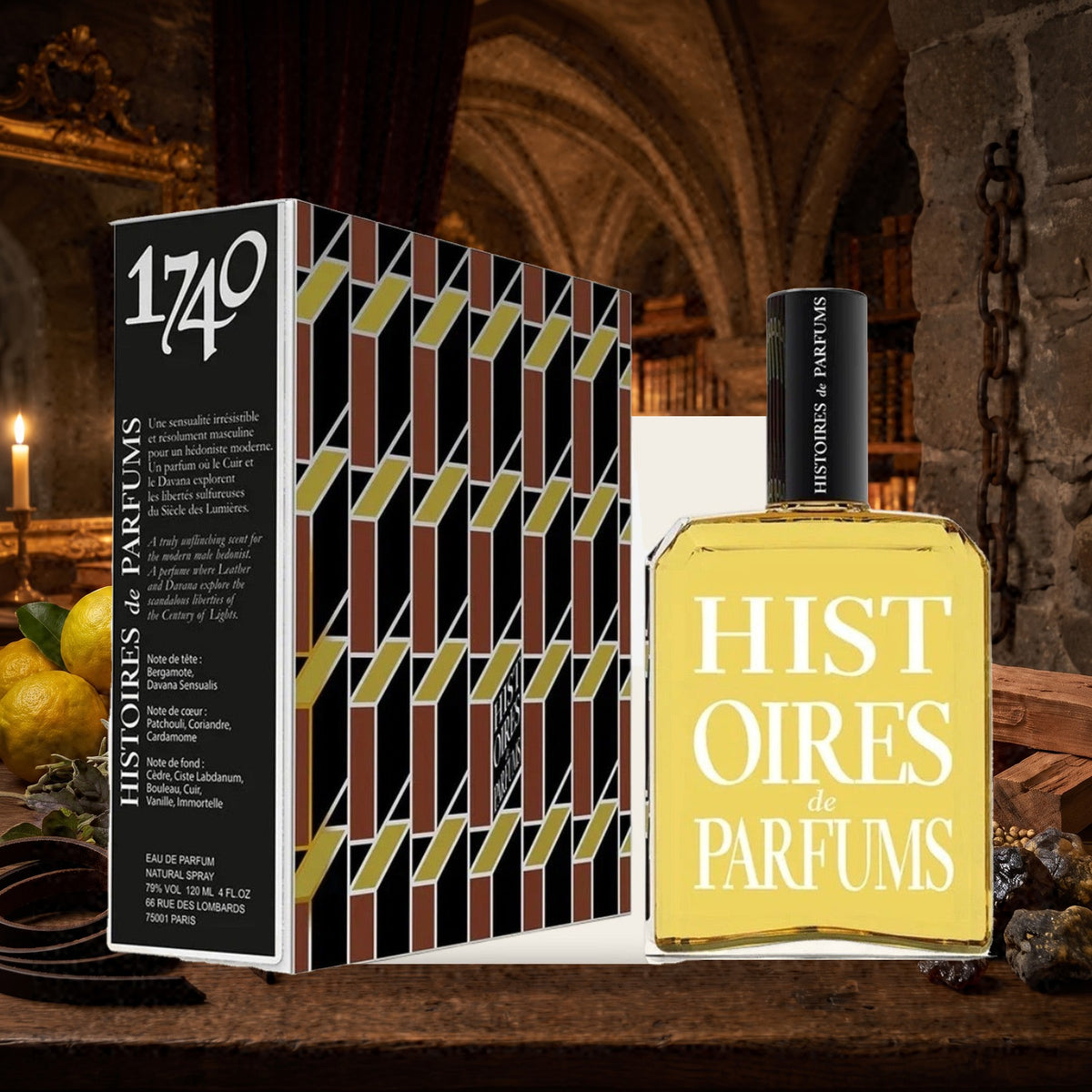
1740 Marquis de Sade, Collection Characters
Sale priceFrom €135,00
(€2.250,00/L)
Replica Under the Stars, Maison Margiela
Sale priceFrom €78,00
(€2.600,00/L)

Escentric 05 100mL
Sale price€155,00
(€1.550,00/L)
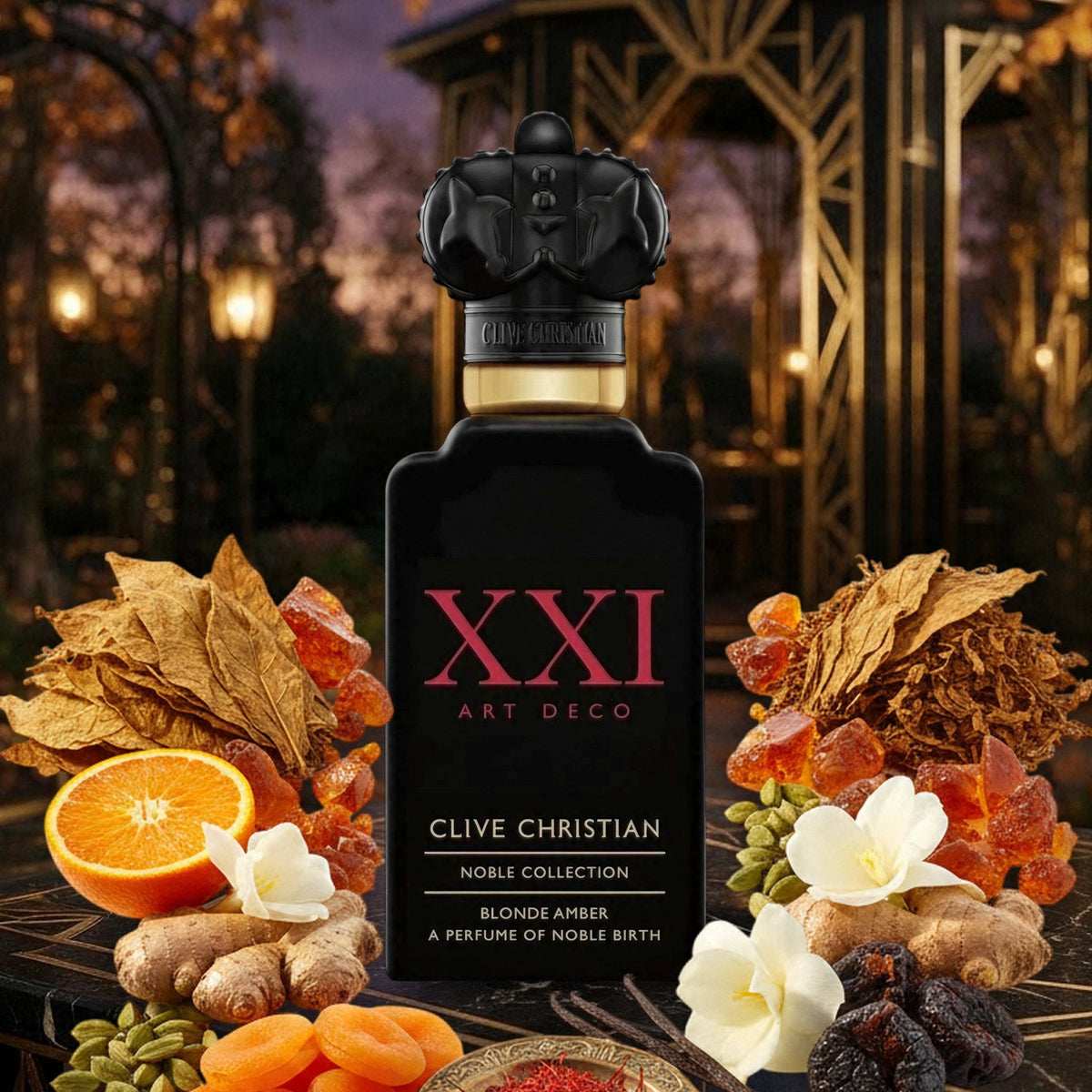
XXI Art Deco, Blonde Amber, Clive Christian Noble Collection
Sale price€565,00
(€11.300,00/L)
Read nextScent Science
Ingredient Lexicon Ingredient Lexicon Rose in perfume: The queen of fragrance materials
Ingredient Lexicon Vanilla in perfume: From orchid to favourite scent
Ingredient Lexicon Leather in perfume: How does something smell that was never in the bottle?